

For Indians, sports is not just an activity; it is an emotion. They have the potential to fill huge stadium arenas as well as break records in public broadcasts. However, with the increasing number of sports academies in India, it has become very difficult to choose the right one.
PR for sports training institutes is not just about creating hype- but it is about establishing legacy, voice, and visibility. Public relations is a highly effective tool for sports academies to build credibility, secure partnerships, and attract students and top athletes.
This article will discuss 7 public relations strategies that sports coaching institutes can implement to achieve maximum outcomes. So, let’s get started!
What is PR for Sports?
Sports PR is the strategic management of communication between a sports academy or training center and its audience. By leveraging this strategy, sports coaching institutions can build trust among top athletes, youths who are looking to pursue a specific sport as their career, secure sponsorships, and shape positive public narratives through digital and traditional media channels.
Public relations for sports academies includes showcasing the success stories of athletes, drafting press releases for major tournament wins, and pitching milestones and commentary from head coaches on national sports media.
5 Major Reasons Sports Coaching Institutions Should Invest in Public Relations
Here are some of the major reasons sports coaching academies should consider public relations:
- Establishing Trust and Authority
By leveraging effective techniques of PR for sports academies, they can showcase their expertise and proven track records. By sharing success stories, valuable tips from head coaches and top athletes, and getting featured in reputable media publications, sports academies can establish a strong reputation.
People are likely to trust a coaching academy more when they see it is mentioned in reputable news publications and community spaces. This proof turns your institution into a trusted leader in sports training.
- Attracting More Students and Athletes
Public relations, when implemented effectively, can put your major achievements of current students and expert coaches in the spotlight. Promoting these wins with the public can help sports academies attract the attention of talented athletes who are looking for the best training programs.
Media coverage and positive stories highlight why your sports program stands out and what it does. This amount of visibility drives a steady flow of new enrollments.
- Proactively Managing Crisis
No sports academy is resistant to crisis – negative press or crises can arise unannounced. PR for sports institutions can help navigate crises by offering a clear path for academies and institutes to share the truth about a crisis situation quickly and calm down their audiences.
An experienced public relations agency can successfully handle a crisis before rumours get out of hand.
- Standing Out in the Competitive Market
Many sports programs and coaching centers fight for the same students. With an abundance of options available out there, it is not easy to set your sports academy apart. By implementing PR strategies, you can make your academy unique and better than others.
By showcasing specialized programs or unique training tactics, sports coaches can create a clear brand identity. This unique voice can help families, athletes, and aspiring youths to choose your academy over other options.
- Successfully Connecting With the Community
PR for sports coaches can build a solid bridge between the coaching school and local neighbourhoods. Sponsoring local events or hosting open days clearly highlight that your academy cares about the local athletes and students who aspire to pursue a specific sport as their career. These friendly collaborations can turn local groups and families into your supporters.
7 Effective PR Strategies That Can Help Sports Coaching Institutions Create Lasting Influence
Whether you are looking to shape media narratives, support community outreach, or inform your major achievements to top athletes and aspiring students, sports PR offers a complete toolkit for long-term impact. Here are 7 tested-and-proven strategies to consider when doing PR for sports coaches:
- Develop an Engaging Brand Identity
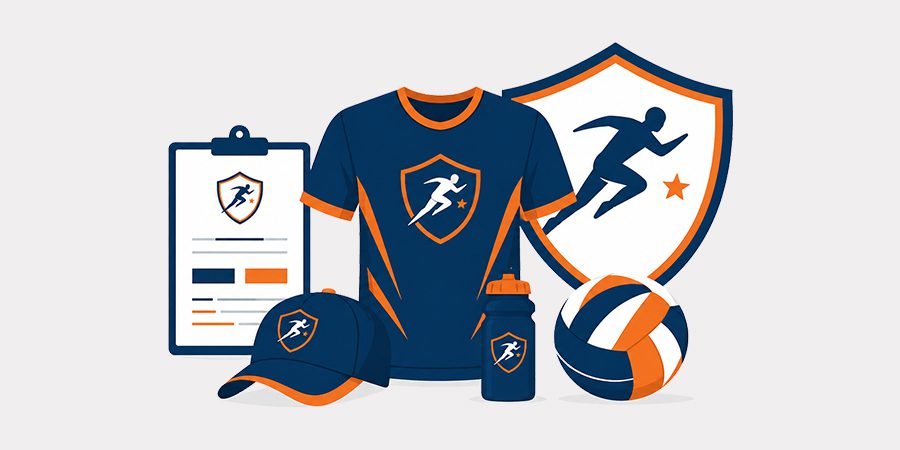
A great sports academy is more than just a logo; it is a brand. And a good brand starts with a defined identity. One of the most crucial aspects of public relations for sports is to help outline and share the story of a sports coaching institution.
This goes beyond basic elements like logos, values, and mission to delve deeper into questions like:
- What core values does our sports institute represent?
- What kind of tradition does it want to create?
- How should the academy be viewed by the media, potential audiences, and sponsors?
- Establish Strategic Media Relationships

Giant sports coaching institutions like Netaji Subhas National Institute of Sports and Army Sports Institute do not wait for media professionals to come and knock on their doors; rather, they themselves take control of the narratives.
A solid media relations strategy for effective PR for sports coaches often includes establishing meaningful relationships with editors, journalists, and media houses. How? Let’s get into it:
Tip 1: Start By Doing Your Research
Sports coaching institutes should have a clear idea of what the journalist they are looking to connect with writes about before contacting them. Consider going through their past works, published articles, or recent reports. This often indicates that you respect their time.
- Make sure to find their specific topic area and beat.
- It is very important to identify their preferred communication pattern. For example, are they comfortable communicating via email or X?
- Do not forget to check their recent stories to understand the exact angle they prefer.
Tip 2: Offer Real Value
Rather than simply pitching their own services or academy, sports coaches should share insightful data, unique information, and expert sources that can be valuable to them, helping them do their jobs better.
- Sports coaching institutions should offer effective industry trends without any sales pitch
- To ensure successful PR for sports, you should connect them with an expert source who is not your client
- You should share their published work on your social media channels.
Tip 3: Tailor Your Outreach
Sports academies should send personalized messages that are tailored to the specific journalist they want to reach. However, they should avoid using email templates that might be considered spam to the journalist they are sending to. Mention a specific recent article that they have written to prove that you paid attention.
- You should keep your opening message brief and clear.
- Ensure detailing why your story aligns with their audience
- Make sure to respect their busy daily schedule.
Tip 4: Be Patient and Follow Up Regularly
Establishing trust often takes multiple interactions over a long period. In order to ensure successful PR for sports, institutions must be patient and do not get upset if they do not respond to your first message. Journalists are super busy people, and they often overlook pitches.
Sports academies should engage with them by sharing, commenting, and replying to their public posts. Say hello if you come across a journalist at industry events.
- Rather than getting agitated and bombarding their emails with pitches, be patient and wait for a week before sending another follow-up.
- Make sure to accept a “no” or silence with grace and utmost professionalism
In case you are looking to establish powerful connections with sports journalists, we recommend you seek media relationship building solutions.
- Position Your Coaching Institution as a Thought Leader

Do you know that 53% of decision-makers said that thought leadership directly influences their decisions? Thought leadership can help a sports coaching academy as a highly authoritative source by sharing unique training techniques, valuable insights from experts, and modern athlete development frameworks. This is one of the most important aspects of PR for sports that coaching institutions should consider.
By positioning your sports coaching institute as a thought leader in the industry, you can not only attract top athletic talents and drive more program enrollment but also secure strategic partnerships and establish long-term credibility.
Now, you must be thinking, but how can I position my sports institute as a thought leader in the industry? So in this section, we will be offering a few tips and tricks for that:
- Publish Authentic Research and Data
Sports coaching agencies should conduct studies on sports science, modern training methods for athletes, or injury prevention. When other sports websites and news outlets cite it, your coaching institute achieves strong credibility as a primary source of industry knowledge.
- Develop Highly Valuable Educational Content
Developing informative content is crucial to ensure successful PR for sports coaches, as it can help position your head coaches as industry experts. Sports academies should develop detailed articles, produce video tutorials, and launch a dedicated podcast by focusing on advanced sports training.
Address common sports challenges that coaches and athletes often face. Provide realistic, science-backed solutions- this proves that your sports academy possesses authoritative insights and practical know-how.
- Host and Speak at Industry Events
Industry events are essential elements of PR for sports coaching academies. Sports institutes should organize conferences, webinars, and workshops that feature top sports experts and researchers. Encourage your faculty members to speak at external sports panels and summits. If you are leading these public discussions, there is a high chance that your sports institute will be placed at the center of important industry conversations and networking.
- Establish Strong Relationships With Peers and Media Professionals
You should consider connecting with media professionals, sports journalists, and bloggers to offer expert opinions on trending sports news. Develop op-eds or provide relevant, valuable quotes during major sports events. Consistent media presence can keep your sports institute at the top of mind as an authoritative expert for opinions.
- Write Valuable Press Releases

Press releases are one of the most crucial strategies when doing PR for sports coaching centers. They offer an official, verified voice that can help individuals and brands secure media coverage, build brand credibility, and take control of the public narrative during crises, academy updates, and expansion of sports training programs.
Press releases serve as a bridge, filling the gap between a sports academy and news outlets. As these are valuable sources for your PR efforts, you should know the strategies to develop them:
- Crucial Elements of a Press Release
- Headline: This part of the press release should be catchy enough to immediately grab the attention of busy journalists. It should briefly summarize the main news in under 100 characters.
- Dateline: The dateline part should clearly highlight the release city, state, and distribution date at the start of the content.
- Lead Paragraph: Answers the 4 W’s- Who, What, Where, and Why.
- Body: The body of your press release uses the inverted pyramid pattern to provide supporting facts, data, and a relevant quote from a head coach or established athlete.
- Boilerplate: The standard “About Us” Paragraph that clearly summarizes your academy’s mission and background.
- Media Contact: This section should include the name, contact number, and email address of the designated PR representative or spokesperson.
In case you are looking to develop professional press releases but have no idea how to, you can consider seeking professional press release writing services.
- Craft an Effective Crisis Management Plan

A crisis management plan is a major part of successful PR for sports coaching institutes. Sports coaching institutions often operate under severe risks. Inability to manage a crisis can not only make them lose the trust of parents who are looking to enrol their children for a sport or athletes who are looking to join a coaching institute.
A well-defined crisis management strategy can help sports coaching academies to safeguard athlete safety, reduce panic among teams, and restrict reputational damage during unexpected situations like behavioural misconduct or facility emergencies.
- How Can Sports Coaching Institutions Develop a Strategic Crisis Management Plan
Follow these steps to craft an effective crisis management strategy for your sports academy:
Step 1: Assemble a Crisis Management Team
Having a crisis management team in place is crucial when doing PR for sports coaching centers. Academies should develop a dedicated team that will take charge when an unpredictable emergency arises. This group should include head coaches, legal advisors, public relations representatives, founders, and co-founders.
Each person should have a clear idea of their exact job so that they can act quickly and prevent confusion during a crisis. Clear assignment of roles can help your coaching academy make smart choices even under immense pressure.
Step 2: Evaluate Potential Risks and Threats
The top leaders of your sports coaching institute should make a list of unpredictable, negative events that might hurt your reputation. This might include major player injuries or harmful public scandals.
By assessing these past risks in the sports sector, the team can easily guess what might go wrong next. Having a deep understanding of these risks might help the crisis management team prepare the right tools and safety steps beforehand.
Step 3: Set Up Clear Communication Channels
Sharing good, positive news during a crisis is a great trick to calm the situation. To ensure successful PR for sports institutes, your crisis management plan should clearly outline who will be communicating with the press, the audiences, and the families of students or athletes.
The crisis management team should use official emails, text alerts, and social media platforms to share real facts. Staying honest and acting quickly can help sports coaching institutions prevent the spread of rumours handling the situation effectively.
Step 4: Conduct Training and Regular Mock Drills
A comprehensive safety plan works best when your team knows how to use it. Your coaching institution should execute mock drills for various sports emergencies several times a year.
Coaches and staff should thoroughly test evacuation routes and medical responses until it feels natural. Regular mock drills will ensure that everyone reacts naturally and immediately when a real crisis hits.
- Collaborate With Sports Influencers

Influencers are rising in popularity among youths. Every other business, including sports coaching centers, is leveraging influencer marketing to promote their products and services. With 67% of Gen Z audiences trusting sports content created by relatable fitness influencers more than celebrity endorsements, investing in influencer marketing and outreach can be a smart choice when doing PR for sports academies.
However, a lot of sports coaching academies often feel confused about which influencer will help them to reach the right target audience. So, here are a few ways sports coaching institutions can collaborate with the right influencers:
- Define Clear Goals
Coaching academies should have a clear idea of what they want to achieve before reaching out to any content creator. A defined objective might be boosting the number of enrollments for a summer camp or establishing brand awareness online.
When the objective is clear, it becomes much easier to choose an influencer whose audience aligns with those exact needs.
- Identify Niche Creators
Local and regional athletes, active lifestyle bloggers, and fitness trainers make the best partners for coaching centers. These micro-influencers often have a smaller follower count, but their audiences trust them deeply. Working with someone who already posts about sports training guarantees that the message reaches the right local audiences.
- Develop Genuine Relationships
Effective PR for sports agencies requires reaching out to creators with a personalized message rather than a generic business pitch. You can consider inviting them to visit your academy, meet with the coaches, and experience a real-time trial session. Genuine partnerships grow when the influencer actually believes in the quality of coaching provided.
- Focus on Long-Term Partnerships
One-time posts seldom drive sustainable growth or deep trust. Instead of a single shoutout, focus on a multi-month partnership where the influencer documents their progress or training journey at the academy. This consistent presence makes your coaching academy feel like it is a natural part of the creator’s day-to-day life.
- Monitor and Measure Outcomes
Set up unique promo codes or create dedicated landing pages for each influencer campaign. This consistent tracking helps sports coaching institutes identify which content creator is bringing the most sign-ups or trial classes. By reviewing these numbers, you can refine your strategy and invest your time and efforts in partnerships that are the most suitable for you.
- Host Sports Camps to Maximize Engagement

Hosting sports camps is a powerful tool when doing PR for sports coaching institutions. It can be highly effective for sports coaching academies. Sports camps can not only help in building trust among the community and increasing local visibility but turning parents and youth into loyal customers.
Here are a few tips for sports coaching institutes to organize sports camps successfully:
- Plan and Organize the Program Early
If you are a sports institution that is looking to host a sports camp, you should set up clear goals and timelines months before the program. From deciding on venues and buying top-notch sports equipment to developing a clear itinerary.
Well-preparedness often prevents last-minute haste and confusion, leading to seamless execution of the sports program.
- Collaborate with Experienced and Certified Coaches
The success of a sports program heavily depends on the quality of the trainers. To implement PR for sports institutes successfully, they should collaborate with coaches holding relevant certifications and possessing proven expertise in sports and medicine.
Good coaches can not only make learning fun but also correct mistakes safely and motivate students and athletes to give their best.
- Promote Effectively and Communicate Transparently
Executing a sports program is not enough. Sports program managers should promote it on various online platforms, including social media channels and emails, to reach families. They should share their exact dates, skill levels, and coach bios upfront.
By providing these details transparently, parents and aspiring athletes can make quick choices and sign up without delay.
- Track the Progress of Players and Ask for Feedback
When doing PR for sports coaching centers, coaches should closely track athletes at the beginning and end of the program to determine their growth. By offering weekly updates or report cards, clearly detailing their performance, sports coaches can help athletes understand how much they have improved.
Asking athletes to share their feedback can be immensely helpful for your academy to understand the gaps and avoid them in the future.
How to Do Sports PR Right: Common PR Mistakes Sports Coaching Institutions Must Avoid
Even if you do everything right, in public relations, a small mistake can make all your efforts go in vain. Here are 5 common mistakes when doing PR for sports institutions that need to be avoided:
- Poor Crisis Management
Failing to handle a crisis immediately can not only ruin the name of your coaching institute but also erode the trust of your audience. Staying silent during a crisis or making wrong statements might make people think that you are actually guilty and do not bother to address the issue.
How to Avoid It?
Seeking professional crisis management services can help sports coaching institutes develop a clear plan for crises even before they arise. Assign a single person to speak on behalf of your sports academy so that the stories sound the same across various platforms. Make sure to act immediately, speak the truth, and highlight what specific measures you are taking to make things right.
- Focusing Excessively on Self-Promotion
One of the major mistakes when doing PR for sports coaching centers is bragging about how great your academy is. This tactic can not only bore your audiences but also annoy them. If all of your posts are advertisements or brags, followers are likely to stop trusting your content. This mistake will portray that you care about money more than helping athletes grow.
How to Avoid It?
Sports coaching agencies should share valuable tips, successful stories of athletes, and helpful advice from head coaches instead of just running ads. Incorporate the rule where the majority of your posts are either educational or inspire people rather than simply selling. Let other people appreciate your work by sharing real-life success stories.
- Neglecting Media Relationship Building
If you ignore reporters and reach out to them only when you have groundbreaking news to share, they are not likely to remember you. This will make you miss out on opportunities to share good news with a wider audience. When a crisis arises, you will have no friendly reporters to convey your side of the story to your audiences.
How to Avoid It?
To do PR for sports successfully, you should not ignore media relationships. Rather, sports coaching academies should engage with local sports journalists and editors before they need a favour. Consider sending them current trends in the sports industry or invite them to major sports events. When communicating with a journalist, make sure to respond to them quickly and professionally when they reach out to you with a query.
- Inconsistent Messaging Across Various Platforms
Saying a different thing on Instagram, while a completely different thing on your website, is misleading and might confuse your audiences. Your sports coaching agency might appear inconsistent, messy, and unprofessional to the public. Not only that, but it might also raise suspicion among athletes and aspiring sportsmen.
How to Avoid It?
Carefully note down all your core values and make sure every staff member has a clear idea about them. When doing PR for sports institutes, they should thoroughly go through every social media platform. This will help them ensure that they are using the same facts and voices consistently across every channel. Consider planning all your posts together so that your core concept reflects on every digital channel.
- Overpromising but Underdelivering
Promising trophies or easy college scholarships can set high expectations. When aspiring athletes do not get these results, parents often feel lied to and upset. This might make them leave negative reviews and suggest others not to engage with your sports institute.
How to Avoid It?
Sports coaching academies should be completely transparent about how difficult training is and how much effort it takes to win. Make sure to shift your focus from major wins to hard work, health, and skill growth. Always remember, it is better to under-promise and surprise parents and aspiring athletes with extra benefits rather than overpromising and upsetting them.
Frequently Asked Questions (FAQs)
Ans: To pitch a story to a sports journalist, you should send brief and personalized emails (under 250 words) with an attention-grabbing subject line. Clearly mention your unique news angle immediately, detailing why their specific audience should care. You should also offer them access to exclusive data and interviews.
Ans: Yes, public relations is an effective tool that can help sports institutes establish authority. PR for sports coaching centers can help build trust, shape the perception of the public, and build long-term authority among sports communities. Through strategic storytelling, community outreach, and media placements, PR can turn your coaching institute into an industry expert
Ans: In order to track the success of a sports PR campaign, sports coaching companies should closely monitor its volume of media coverage, social media engagement, and audience reach. Make sure to compare these metrics with your primary goals.
Ans: Sports coaching academies can expect to see the traction of their pitch or early media awareness within at least 2-4 weeks of the launch. Major feature articles and TV segments usually require 3 to 6 months of relationship building.
Ans: Small-scale sports coaching centers can achieve media coverage by sharing unique stories that are appealing to their audience. They should also consider targeting local journalists with impactful press releases and showcasing the achievements of athletes to get covered by reputed media outlets.
Conclusion
In the modern era, the success of a sports coaching organization is no longer limited to measuring solely in losses and wins. Rather, it is now measured by engagement and the way people perceive your sports academy. PR for sports institutions is the force that drives engagement and shapes the perception of the public. By leveraging the public relations strategies mentioned above, sports coaching centers can not only build trust among their audience but also manage a favourable brand image online. In case you are a growing franchise and have no idea how to get started, you can perhaps consider partnering with a public relations agency.
