

According to Hotelagio, there are an estimated 538,000 travel agencies in the world; this statistic showcases the fierce competition within the travel and tourism industry. Amidst this competition, a lot of travel brands are struggling to stand out and get the attention of tourists. PR for travel can help bridge the gap by connecting travel agencies with their audiences.
With the constantly growing industry, the requirement for advanced and personalized PR strategies is becoming more and more evident, offering travel brands the opportunity to improve visibility and build meaningful connections. This article focuses on the importance of effective PR strategies for the travel industry.
What is PR for Travel Companies?
Public relations for travel companies is the strategic management of the reputation, image, and media presence of a travel firm to foster trust, drive tourism bookings, and boost visibility. It often focuses on helping travel brands to earn media coverage, such as influencer partnerships and travel articles, rather than draining their pockets on advertising.
Effective PR for tourism companies include authentic storytelling, event management, and press release creation, all of which are aimed at improving the visibility and reputation of travel brands within the tourism sector.
Statistics show that 90% of travellers do online research when looking for a travel agency. This clearly highlights the importance of travel agencies to establish and maintain a strong presence and engage audiences through captivating narratives.
5 Compelling Reasons Travel Companies Must Invest in PR Services
Investing in public relations can offer several advantages for travel agencies. In this section of the blog, we have discussed a few of them:
- Offers Effective Crisis Management
The travel and tourism industry is too vulnerable to disruptions, be it safety issues or natural disasters. Effective public relations ensures a quick, transparent response that successfully manages reputation and reassures tourists.
- Improves Visibility Through Brand Storytelling
PR professionals can help tourism companies to create engaging narratives and showcase unique experiences to get the attention of tourists in the highly competitive market.
- Helps Build Credibility Through Media Relationships
By securing coverage in established travel media and partnering with trusted travel influencers, tourism companies can enhance authenticity that can be more valuable than paid advertising.
- Delivers Targeted Audience Engagement
Effective PR strategies can be immensely helpful to engage specific demographics through the right channels, fostering customer loyalty and trust.
- Monitors Reputation and Social Listening
Public relations leverages advanced tools that can help travel agencies track both public sentiment and perception, allowing them to respond to customer feedback and stay ahead of current trends in the tourism sector.
Tourism PR: Amplify Your Travel Brand With These 8 Effective PR Strategies
Now that you have a clear idea of what public relations is and why it matters for tourism companies, this section of the blog will discuss some of the key strategies to ensure successful PR efforts:
Strategy 1 – Ace Authentic Storytelling

Storytelling in public relations is the strategic implementation of engaging, authentic narratives to shape brand perception, establish emotional connections, and foster trust, rather than simply selling products.
Effective storytelling is one of the most crucial strategies of PR for travel agencies that can help tour agents differentiate themselves from competitors and drive engagement, often leveraging narratives that showcase the values, customer experiences, and authentic stories of your tourism company to make it more memorable and relatable to tourists.
- Why Effective Storytelling Matters for Travel PR?
Storytelling is a powerful tool that can shape the perceptions of both the media and the public. When a brand tells a memorable and compelling story, it connects with audiences and stays in their minds for a longer time in comparison to basic, promotional messages.
An effective narrative can help travel agents position their agencies within the industry while enhancing credibility:
- Better Press Coverage: Journalists love engaging brand stories over anything. Rather than sending generic press releases or news articles, travel companies must send personalized, informative press releases. This will make it easier to get the attention of the media.
- Shaping Public Perception: A good PR storytelling approach can heavily influence audience sentiment and foster trust.
- Crisis Management: Strategic and transparent storytelling helps rebuild trust during or after a crisis situation.
A well-structured approach to storytelling can be effective for maintaining the interest of audiences as well as ensuring clarity:
- The Hero’s Journey: When developing a narrative, tourism companies must position the traveller or tourist as a hero, not their brand. The agency acts as a guide and helps the clients to overcome challenges such as booking, planning, and navigating local culture in order to achieve transformation.
- The Origin Story “The Why”: Tourism companies must define and share the purpose of starting the company as well as its unique values. Tourists are more likely to relate to and engage with brands that share their values honestly, such as cultural respect and sustainability.
- Transformation Focus: Make sure to craft stories surrounding how a trip can change the lifestyle of a traveller rather than just listing down basic amenities or attractions.
- Originality Over Perfection: Rather than trying to create a perfect narrative, travel agencies must focus on using real stories, user-generated content, and personal opinions from agents. Modern-day tourists are well aware of counterfeit marketing, making live examples and stories highly effective.
- Emotional Appeal: Instead of simply listing down facts, travel agencies must develop narratives that can easily ignite feelings like nostalgia, excitement, and belonging.
- Specific, Unique Angles: Travel agencies must avoid using phrases like “discover the magic of New York,” which sounds too generic and common. Rather, they must offer specialized angles like “Come discover the beauty of hidden eco lodges in Canada” or “Get an unforgettable experience of the enchanting beauty of London.” In 2026, high-quality, relevant coverage is winning over high-volume, generic content.
- How Can Travel Agencies Craft Compelling Narratives That Align With Their Audiences?
The secret to creating an engaging narrative is authenticity. Nowadays, tourists can easily figure out inauthentic and exaggerated brand stories. These can immensely affect credibility rather than enhancing it. Here are a few steps to create effective, engaging narratives for travel agencies:
- Understand Your Audience
Before starting to create a story, tourism agencies must do thorough research on their target audience. Make sure to determine what their interests, values, and pain points are. A good story must strictly align with the audience’s aspirations and challenges, making it even more relatable.
- Focus on Real Experiences
Nothing connects better than real-life stories. Instead of making exaggerated and false claims, travel agencies must showcase experiences from real tourist employee journeys, or behind-the-scenes moments from trips that highlight values in action.
- Strictly Adhere to Your Core Values
Adhering to core values is crucial for developing an engaging narrative, heavily contributing to success for PR for travel brands. An effective brand narrative must clearly reflect the vision, mission, and ethics of your tourism agency. If a brand promotes sustainability, its storytelling must surround genuine efforts to create an eco-friendly impact rather than just using it as a marketing gimmick.
- Use Conflict and Resolution
A great narrative follows a proper structure- introducing a problem, creating tension, and finally presenting a solution. Whether it is a tourism brand overcoming adversity or launching a new service that resolves a major issue, the structure of the narrative can keep readers engaged.
- Make It Visual
People remember stories better when they come with relevant images and videos. A well-produced video or a series of influential visuals of a beautiful tourist attraction can elevate the experience of storytelling.
Strategy 2 – Build Meaningful Connections Not Just Contacts

In order to ensure an effective travel PR strategy, building powerful relationships is non-negotiable. Fostering a relationship is not just about sending press releases frequently, but it is also about mutual value.
To establish powerful connections, travel agencies must find the right influencers, journalists, bloggers, and platforms that perfectly align with their brand’s values and engage tourists successfully.
- Understanding the Importance of Establishing Powerful Relationships
Here are a few reasons why building meaningful relationships matters for public relations:
- Establishes Trust and Boosts Performance
Relationships are built solely on trust, which enables travel agencies to depend on one another, share ideas openly, and work more effectively towards a desired goal.
- Builds Resilience
Robust professional connections can allow tourism companies to easily navigate unpredictable challenges more efficiently.
- Offers Higher Engagement
Influencers and niche-based bloggers direct their loyal audiences who actively engage with their content. These partnerships can heavily contribute to ROI when long-term strategies are incorporated instead of one-off, transactional posts.
- Builds Media Credibility and Achieves Third-Party Validation
Journalists often work as gatekeepers of information, and securing earned media through them, rather than paid media, offers a trusted endorsement that can effectively shape public perception.
- Risk Mitigation
With 83% of tourists believing that online reviews play a significant role in their booking behaviour, meaningful connections with popular travel influencers can make a great difference. These relationships are crucial as they act as “risk filters.” The majority of individuals are likely to trust a tourism company that their favourite influencers recommend.
- Key Strategies to Build Strong Connections With Influencers and Bloggers
Here are a few valuable tips to build meaningful connections with renowned influencers to ensure successful PR for travel:
- Engage Before Pitching: Before pitching, travel agencies must follow the influencers they are pitching on social media, share their content, and leave thoughtful, personalized comments on their posts to foster a sense of familiarity before reaching out.
- Focus on Alignment Over Reach: Make sure to choose influencers whose values, content, and audiences genuinely align with your brand, rather than focusing entirely on high follower counts.
- Personalize Your Outreach: Influencers love personalized outreach. Tourism companies can mention specific details about their work that they genuinely love, clearly explaining why they are the right people to collaborate with.
- Give Them the Creative Freedom: To ensure the content they create for your brand perfectly resonates with their audience and feels authentic, travel firms must give influencers complete control to create content in their own unique way.
- Prioritize Value: Travel agencies must consider building a rapport by promoting their work, offering valuable resources, and helping with their personal projects before asking for a promotion in return.
- Foster Long-Term Partnerships: Instead of one-off campaigns, develop long-term relationships with consistent communication, mutual support, and long-term contracts.
- Be Transparent and Professional: Make sure to clearly define expectations, compensation, and deliverables early, while strictly adhering to FTC guidelines for sponsored content.
- Partner Micro and Nano Travel Influencers: Micro or nano influencers usually have more engaged, niche audiences and are more likely to develop an authentic, deeper connection.
In order to build an effective rapport with travel bloggers, here are a few tips to consider:
- Engage Consistently on Social Media Platforms: Travel companies must regularly like, share, and comment on their content on various social media platforms like Instagram, Facebook, and Twitter before making a pitch.
- Offer Genuine Support and Value: You can help them by sharing their work or commenting on their blog post. This can help build trust and a good connection.
- Develop Mutually Beneficial Partnerships: Make sure to focus on long-term relationships rather than one-off transactions. Offer value, such as giving them the free will to develop written content about your brand that perfectly aligns with their audience.
- Use Personalization: When reaching out, travel companies must personalize their outreach, mentioning specific work of theirs just to show that you understand their unique audience base and writing pattern.
- Offer Support and Resources: Travel companies must offer bloggers the right tools for their work, such as reliable Wi-Fi, enough time for creating content during press trips, or high-quality, authentic experiences that can make for exceptional storytelling.
Strategy 3 – Write Engaging, Informative Press Releases
The average reach of a press release ideally ranges from 1,000 to 5,000 unique readers. Crafting engaging, informative press releases is one of the most crucial PR strategies.
Here’s why developing effective press releases matters for PR for travel brands:
- Helps Build Trust and Credibility: In the highly competitive travel industry, press releases serve as an official, verified source of information for both customers and journalists, fostering trust in your tourism company.
- Enhances SEO and Website Traffic: By distributing press releases through platforms like PR Newswire, PRWeb, and Business Wire, travel companies can ensure that they are indexed across various sites, enhancing search engine rankings and boosting traffic to their company’s website.
- Offers Better Media Coverage: Press releases act as a primary tool for informing travel influencers and writers, increasing the chances of earned media coverage.
- Improves Brand Visibility and Fosters Awareness: Well-written press releases can allow travel companies to announce the launch of new services, partnerships, and tours, helping gain the attention of tourists successfully.
- Timely Communication for Promotion: Sending press releases at the right time is invaluable for circulating accurate information and managing the reputation of your tourism company.
- A Step-By-Step Guide to Developing Valuable Press Releases
Now that you have a clear idea of the importance of a press release, let’s discuss the steps to craft it:
- Pick a Newsworthy Topic
The first step to developing an effective press release is selecting a newsworthy topic that you want to communicate to the media. This could be a new service, a major milestone, a new partnership, special awards and recognitions, launching safety or advanced amenities, or any other topics that are worth publishing.
- Develop a Catchy Headline
The headline of the press release is one of the most important assets and is the first thing that readers will see when they come across your press release. So, making them attention-grabbing is a must. To attract the attention of tourists immediately, tourism companies must make use of powerful action verbs and make sure it perfectly aligns with the content of the press release.
For example, [Company Name] Introduces Carbon-Neutral Safari Packages for Eco-Conscious Travellers.
- Write a Powerful Opening Paragraph
The lead paragraph or opening paragraph of your press release should provide a clear summary of the news you are writing and answer major questions, such as what, who, when, where, and how.
Travel companies must avoid incorporating unnecessary jargon in order to make sure their lead paragraph is clear and easy to understand.
- Offer Supporting Details and Quotes
In the following paragraphs, travel agencies must make sure to provide additional details about their news and important quotes from major stakeholders or experts in their organization. This can immensely help provide context and add more credibility to their news.
- Add a Powerful Call-to-Action
In the closing paragraph of the press release, travel companies must include a call to action that encourages readers to take a desired action- such as guiding them to booking pages, exclusive offers, or informational landing pages.
- Include Relevant Contact Information
Finally, tourism companies must consider including their contact information- contact number, email addresses, or links to their socials to make it easier for journalists to reach out to them for additional information or to schedule an interview.
By following these key strategies, travel agencies can craft engaging and effective press releases that can immensely help with PR for travel companies. A well-crafted press release helps them to get the attention of journalists as well as reputed media outlets that cover travel-related topics. To develop high-performing press releases, travel agencies can seek professional press release writing services.
Strategy 4 – Have a Well-Structured Crisis Management Plan in Hand
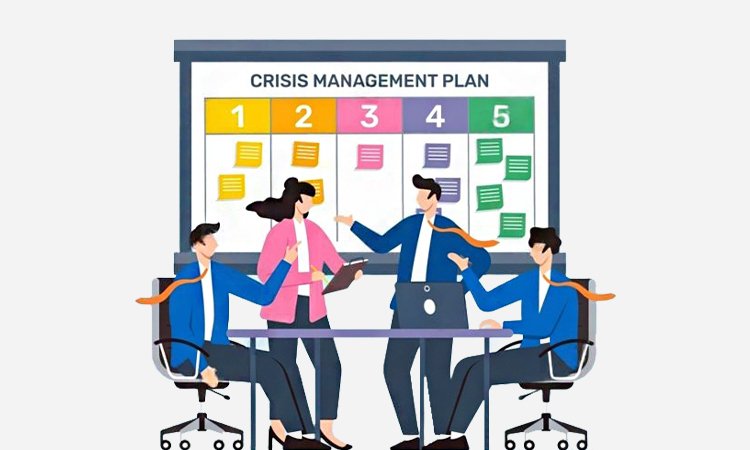
Whether it is natural disasters, political instability, such as wars, or operational disruptions, such as financial fraud, the travel agency is exposed to different types of crises. So, effectively managing reputation and crisis is a must.
A solid crisis management plan is a must in such cases. This plan must clearly list all protocols for addressing potential crisis situations, such as negative reviews, safety concerns, or service gaps.
- Steps to Craft a Robust Crisis Management Plan
Here is a comprehensive guide to developing a solid crisis management plan:
- Brainstorm Potential Crisis: The first step to create a solid crisis management strategy is to identify external and internal threats, such as cyber attacks, financial losses, and disasters.
- Assemble a Well-Trained Crisis Management Team: Make sure to develop a crisis management team that will include representatives from major departments like HR, operations, legal, and PR, that will be led by a designated, experienced crisis manager. Travel agencies must define clear responsibilities, goals, and a chain of command.
- Conduct a Vulnerability Audit: Travel agencies must assess the likelihood and impacts of each threat they have identified. Leverage a risk register to prioritize these threats.
- Set Up Response Procedures: Make sure to create detailed, modular action plans for specific scenarios rather than a one-size-fits-all approach. This includes safety protocols, emergency procedures, and evacuation plans.
- Develop an Effective Communication Strategy: Tourism companies must introduce clear protocols for communicating with employees, shareholders, customers, and the media. Assign a spokesperson and leverage dedicated communication channels to distribute effective information.
- Training and Drills: Travel agencies must train all their employees well and conduct mock drills if required to test the effectiveness of the plan and identify gaps.
- Review and Update Your Crisis Plan Regularly: Make sure to thoroughly review and update your crisis management plan annually or right after a crisis hits to ensure it remains effective and relevant.
Strategy 5 – Focus on Positioning Founders As Thought Leaders

By delivering the best quality, non-promotional content through owned, earned, and paid channels, tour and travel companies can position their company as a go-to source in the travel industry.
75% of decision-makers agreed that thought leadership has made them research a solution they were not previously considering. Thought leadership can not only help build trust and create opportunities, but also foster engagement. However, it requires consistent efforts.
- Why Prioritizing Thought Leadership Matters in PR?
- Establishes Trust and Credibility: In the era where there are millions of information available online, tourists often look for information from experts. 73% of customers consider thought leadership as a more trustworthy way of judging the capability of an organization rather than traditional marketing methods.
- Differentiates From Competitors: By sharing unique insights and information rather than generic promotions, travel agencies can easily stand out from their competitors.
- Gains Media Attention and Visibility: Thought leaders are usually sought by journalists for insights and commentary, ultimately leading to organic media coverage.
- Shapes Industry Perception: By developing thought leadership articles, travel brands can influence how customers view safety, travel trends, or luxury travel, which is vital for effective crisis communication.
- Improves Brand Authority: Consistent, valuable content can help travel agencies create an authoritative image within the travel industry.
- Affects Customer Choice: By showcasing knowledge, travel brands can build rapport and loyalty, encouraging tourists to choose them over competitors.
- How Can Travel Brands Position Their Founders as Thought Leaders?
Now that you have a clear idea of why travel agents must position their brands as thought leaders, here are some quick steps on how they can do that to ensure effective PR for travel agencies:
Step 1: Humanize Your Brand Through Authentic Storytelling
Travel agencies must share the personal journey, passion, unique goals, and challenges of their founder, which can make your brand more relatable to tourists.
Step 2: Develop High-Quality, Authentic Content
Make sure to go beyond promotional content to share original, educated perspectives, lessons learned, and unique points of view.
Step 3: Use LinkedIn and Bylined Articles
Travel companies must leverage platforms like LinkedIn and travel trade publications to successfully address regulations, predictions, and industry trends.
Step 4: Maintain Consistency
Make sure to set up a regular schedule for posting content like blogs and LinkedIn updates to establish long-term credibility.
Step 5: Engage in Conversations and Community
Tourism companies must actively respond to comments, share their personal experiences, and engage in decisions that highlight the expertise of their founder.
Step 6: Leverage Partner Marketing
Make sure to collaborate with industry leaders to co-create content, broadening their reach to new audiences.
Strategy 6 – Implement a Solid Social Media Strategy for Travel Agencies
Monitoring social network references is not just important, but it is also crucial to determine the number of audience views of a tourism company. Here are a few reasons implementing a robust social media strategy matters for travel agencies:
- Real-Time Crisis Management and Monitoring: Social media can allow PR professionals to determine public sentiment immediately and respond to negative comments or crisis situations instantly, preventing minor issues from escalating.
- Direct-to-Audience Communication: Travel brands must share their stories directly, preventing traditional media gatekeepers, which is crucial for managing brand narrative.
- Higher Reach and Visibility: Social media platforms act as a powerful tool to enhance PR campaigns and press releases, guaranteeing they are reaching a wider, more targeted audience.
- Influence and Reputation Management: Travel companies can reach out to and engage with influencers and create user-generated content to establish credibility and authenticity.
- Cost-Effectiveness: A good social media strategy can be an exceptional way for every travel organization to manage its reputation in comparison to traditional media, with better analytics to monitor ROI.
- How Can Travel Agencies Develop an Effective Social Media Strategy?
A complete step-by-step guide on how tourism agencies can create a good social media strategy:
- Focus on Visual Storytelling: Travel agencies must focus on using high-quality, interactive videos and images to showcase new destinations, virtually offering a real-life experience rather than just focusing on selling their services.
- Develop User-Generated Content: Travel agencies must encourage their past clients to share photos and reviews of their trips. Sharing these testimonials can make your potential customers feel like you are a legit travel agency.
- Incorporate Short-Form Videos: Make sure to focus on creating short travel videos on platforms like Instagram Reels, YouTube Shorts, and TikTok. To engage tourists with quick, entertaining travel highlights.
- Leverage Geotags or Hashtags: By using specific hashtags, relevant location tags, and trending travel hashtags such as #VisitCalifornia or #TravelGoals, travel brands can boost discoverability in search results.
- Partner With Influencers: Tourism companies can consider collaborating with travel influencers who perfectly correspond with their brand values in order to reach new, more engaged audiences and achieve authentic endorsements.
- Engage in Real-Time: By actively responding to messages, comments, and mentions quickly, travel agencies can build meaningful relationships and show they are responsive and value feedback.
- Leverage Interactive Content: Using polls, interactive quizzes, and live streams can be a great idea to engage directly with potential travellers and learn about their preferences.
- Develop a Content Calendar: Make sure to plan content in advance to guarantee you are offering a mix of educational travel tips, promotional content like special offers, and entertaining content, all while maintaining a consistent presence.
Strategy 7 – Organize and Promote Events or Travel Fests to Attract Tourists

Events are a crucial part of your PR strategy. To ensure successful PR for travel brands, events like press conferences or service launches are very effective. These can serve as great opportunities to showcase expertise. Here are some of the major reasons why high-impact events or travel fests can be effective for PR:
- Enhances Brand Awareness and Visibility: Hosting travel festivals can help place your travel brand directly in front of a targeted audience, boosting visibility and fostering brand loyalty.
- Generates Credibility and Media Buzz: High-profile events are “newsworthy” and can be highly effective to attract the attention of the media, leading to organic coverage, social media buzz, and news features, improving credibility and building a valuable marketing surety.
- Allows for Experiential Marketing and Storytelling: Travel fests can offer an exceptional platform for engaging experiences, allowing visitors to connect emotionally with a particular destination country and your travel brand.
- Highlights Unique Selling Proposition: Personalizing events to showcase unique local culture, such as foods, history, and unique experiences, strengthens destination marketing and makes it more engaging than generic destinations.
- Fosters Stakeholder Engagement: These fests offer great opportunities for directly engaging with customers, partners, and influencers, building stronger relationships and establishing a community around the brand.
- Offers Rich Content Opportunities: The moments and activities within the travel festival offer an abundance of content for PR campaigns, social media, and post-event marketing materials.
Now that you know the importance of events for travel agencies, let’s discuss how they can plan events strategically to maximize revenue:
- Define Clear Goals and KPIs: To ensure high-impact events, travel companies must decide on what they want to achieve through the events. Do they want to increase brand awareness, launch a new service, or secure media coverage? After setting goals, travel brands must establish relevant metrics to track their progress.
- Provide Authentic, Immersive Experiences: Travel brands must move away from “Cookie-cutter” events to focus more on events that offer memorable, personalized experiences. Travel companies must leverage local DMCs to create authentic, unique, and high-quality experiences.
- Partner with Influencers and the Media: Partnering with travel influencers can be a great option to create genuine content and invite reputed journalists. Make sure to offer exclusive previews and behind-the-scenes access to encourage authentic coverage.
- Strategic Planning and Timing: Travel companies must start planning 6-8 months in advance. Consider using media kits, press releases, and specialized media alerts to create a balance.
- Master Logistics and Technology: Make sure to use dedicated, well-updated websites for information, ease the registration process, and manage logistics effectively, including accommodation and transport, to ensure a hassle-free experience.
- Track Post-Event ROI: Surveys can be a great way to gather feedback and assess social media engagement to determine the impact of brand awareness.
Strategy 8 – Showcase your Awards and Accolades

The travel industry is filled with skeptical tourists who are unsure of which travel agency to go with. Awards basically act as tickets to fostering trust, making them a crucial component of PR for travel companies. By showcasing awards and recognitions, tourism companies can not only gain the attention of more tourists but also build trust among them.
When a tourist lands on your website and witnesses all the awards and recognitions you have received, they are most likely to put their trust in your brand.
- Effective Ways to Leverage Awards and Recognition to Achieve Maximum PR Impact?
- Broadcast Various Digital Channels: Travel brands must update their websites, social media profiles, promotional materials, and email newsletters with the “award-winning” phrase. A picture of acceptance at a ceremony can serve as a powerful visual endorsement.
- Write Targeted Press Releases: Distributing press releases to local media outlets that cover the travel industry, focusing on how the award shows innovation or exceptional customer service can be greatly effective.
- Effectively Leverage Content Marketing: Tourism companies can develop dedicated blog posts and newsletters to share the story behind receiving the award, such as overcoming major industry challenges or improving customer experiences. This can greatly help build emotional connections.
- Fortify Partnerships: By leveraging the accolade, tour companies can secure better B2B partnerships with hotels and airlines. This can help position their agency as a trusted leader in the hospitality sector.
- Engage Potential Travellers: Showcasing awards on booking pages can help tourism companies to influence undecided travellers because customers trust recognized and well-established travel brands over those that do not have an established reputation.
- Develop “Winner Content”: Make sure to feature the awards you have received on social media and encourage tourists to share the news, turning satisfied clients into brand advocates.
How Can Travel Agencies Measure The Success of Their PR Campaigns: 6 Key Metrics to Track
Running a PR campaign without measuring its impact is simply baseless. Wondering how to measure the success of your campaign? Here are a few metrics to keep an eye on:
- Website Referral Traffic
The website referral traffic metric measures how many visitors are coming to your travel website from blogs, articles, and media outlets featuring your travel packages.
- How to Track?
This is one of the most important metrics to measure the impact of PR for travel agencies. You can track this metric by using tools like Google Analytics to track increases in traffic during campaign launches and identify which media outlets are sending the highest volume of engaged customers.
- Conversion Rates
This metric measures the number of visitors that are driven by PR campaigns and actually book trips, request quotes, or sign up for newsletters.
- How to Track?
Tourism companies must establish goal tracking in Google Analytics to track the conversion rates for visitors coming from referral sources, ensuring that the PR content directly drives revenue.
- Share of Voice
Share of Voice analyzes your brand’s visibility in comparison to competitors in travel news and media.
- How to Track?
By calculating the percentage of the media mentions that your agency is receiving within the travel sector in comparison to your competitors, using monitoring tools like Muck Rack. (Your Brand Mentions/Total Industry Mentions) x 100
- Media Coverage and Impressions
Through this metric, travel agencies can measure the frequency of their media coverage, such as feature articles or mentions from travel experts.
- How to Track?
By leveraging tools like Cision or Agility PR, travel brands can track audience impressions that estimate the size of total potential audiences reached by their coverage.
- Sentiment Analysis
This metric determines the public perception of your tourism company by assessing the tone of the media coverage and public comments.
- How to Track?
Make sure to categorise media mentions and social conversations as positive, neutral, or negative to determine improvement of brand reputation, often using AI-powered tools.
- Social Media Engagement
The social media engagement metric measures how well your audience is interacting with your PR content on platforms such as Facebook, Instagram, and LinkedIn.
- How to Track?
By tracking shares, comments, and clicks, travel companies can measure how their message is resonating beyond immediate media coverage, using tools like Brandwatch.
Frequently Asked Questions (FAQs)
Ans. Yes, travel businesses can foster significant trust using PR even without reviews or awards by focusing on authentic storytelling, earned media, and thought leadership.
Ans. To get travel journalists to cover your brand story, travel agencies must develop an engaging, unique hook that corresponds to current travel trends, rather than focusing on just promoting their services.
Ans. For a travel brand, public relations is more effective for fostering trust, credibility, and authority. On the other hand, paid advertising is a better option for immediate sales and getting a faster, wider target.
Ans. Measuring the ROI of your travel PR efforts demands shifting from vanity metrics like impressions to business outcomes by monitoring lead generation, website traffic, brand sentiment, and booking conversions. (ROI = Value of PR Outcomes/PR)* 100.
Ans. Travel agents can hire a PR agency when they are looking to amplify a major announcement, such as launching a new service, entering new markets, or managing reputation during a crisis situation. The ideal time is 3-6 months before the launch of a new service in order to create a buzz, foster media relationships, and develop a brand narrative.
Conclusion
In the ever-changing landscape of the travel sector, success is not just about integrating analytics with authenticity and strategic thinking with storytelling. Whether you are managing a crisis or launching a new service, implementing effective PR for travel brands can keep them at the forefront in the crowded market, while also building visibility, trust, and loyalty.
Public relations is not just about writing press releases and gaining publicity. Rather, it strongly focuses on establishing a long-term relationship and a positive reputation. With the PR strategies mentioned above, tour companies can not only navigate complex challenges but also engage with their audiences in real-time and establish a meaningful presence within the industry.
In case you are just starting out and have no idea how to integrate public relations with your digital marketing strategy, you can perhaps consider partnering with a professional PR agency that offers personalized travel PR services.
