

With the consistently evolving music industry, standing out and getting the attention of the right listeners has never been more difficult than ever. PR for musicians is the key to ensuring a successful career in the music industry.
Whether you are a budding singer or an established musician, public relations can help build credibility and visibility by securing features in podcasts, playlists, and media publications.
This piece of content will discuss some of the most crucial PR strategies that can help musicians navigate the evolving music landscape and position musicians as leaders in the industry. So, let’s get started.
What is PR for Musicians?
Before jumping right into the PR strategies, let’s take a quick look at what exactly music public relations is.
Musician PR is the strategic approach of driving media coverage, securing press features, and managing the public image of a singer.
It involves establishing and maintaining a positive public image, developing powerful relationships with media professionals, and promoting performances, the latest music releases, and the overall brand identity.
The primary goal of effective public relations services is to create buzz for new releases or tours by getting covered in blogs, radio stations, podcasts, magazines, and securing digital playlist placements, ultimately exposing the artist to a broader audience.
Why Does PR Matter So Much For the Music Industry?
Now that you know exactly what PR for musicians, we will discuss 5 major reasons music artists should invest in PR:
- Elevates New Releases and Tours
Many musicians think that simply dropping a banger music track or announcing a tour will offer them more exposure and visibility. However, it won’t guarantee ticket sales or increased streaming rates. Running a strategic campaign of PR for musicians ensures that their projects are highly impactful events.
A publicist helps musicians coordinate press outreach and influencer partnerships and secure local media coverage to create organic buzz before the launch date.
- Builds Credibility and Trust
Anyone can upload a song to streaming platforms, making it difficult for industry insiders and listeners to separate the noise from genuine talent. The best music PR companies can help music artists to secure positive features, interviews in trusted entertainment publications, and gain more album reviews, which act as powerful social proof.
When listeners see you covered on recognized media outlets, they are likely to perceive you as a popular and verified music artist.
- Strengthens Your Artist Identity
PR for musicians is about sharing your story, and not just your art. People connect better with the reasons “why” you create music.
The right PR company specializes in developing a powerful narrative, from social media tone to artist bios that successfully convey your unique beliefs, unique background, and motivations to create music. This helps audiences to get a clear understanding of exactly who you are.
- Attracts Unique Industry Opportunities
A well-managed public image opens doors behind the scenes. Booking agents, recording labels, festival organizers, and potential brand partnerships and sponsors closely track the media to identify emerging artists who have genuine talent.
By implementing effective PR strategies, independent artists can generate more audience interest, making them a more attractive investment for music houses.
- Manage Crisis Effectively
No artist, big or small, is immune to crises like controversies or negative press. How you handle and respond to a crisis strongly defines your career trajectory.
In fact, 72% of Indian musicians were worried about the impact of potential new regulatory requirements that could disrupt music outputs and hamper releases.
A PR team can help musicians to navigate major challenges and strict regulatory guidelines of the music industry to boost the process of music releases and avoid disruptions.
7 Key PR Strategies for Musicians To Gain Top-Tier Media Coverage
A well-executed PR strategy for musicians includes several key components that work in tandem to maximise their visibility.
- Craft a Cohesive Artist Story
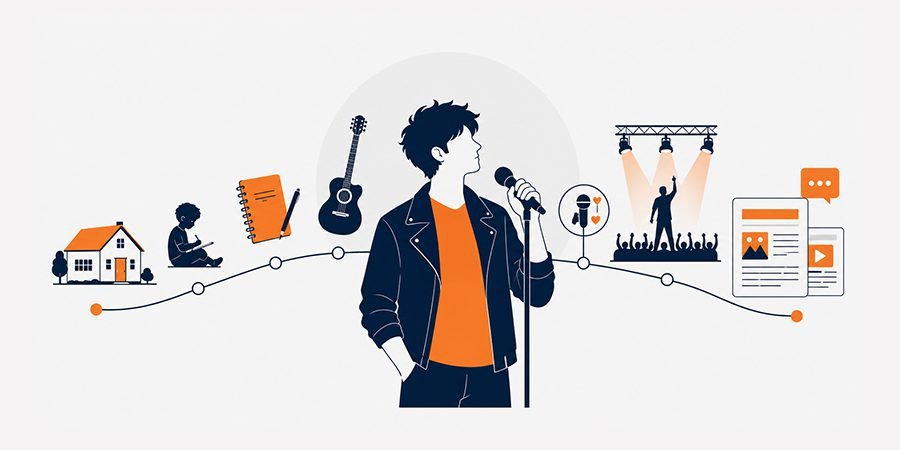
Storytelling is one of the most important strategies to ensure successful PR for musicians. The most successful PR campaigns start by crafting a compelling story.
Every music artist has a unique story to tell. It can be the ups and downs of their journey, motivations to create music, or even challenges they went through. These stories are not just background details; rather, they are narratives that will make your audiences connect to you on a deeper, more emotional level, creating a long-lasting impression.
For example, Shankar Mahadevan, a famous music composer and artist, has frequently shared stories of his childhood, his days of working at Oracle, or how he made the life-changing decision to leave a secure corporate job to pursue music. These stories immensely help to connect with audiences.
Such stories resonate with audiences not only because they are engaging, but also because they demonstrate struggles and hardships, passion, and the human side of a music artist.
- How Can Musicians Develop Effective Stories to Connect With Audiences Successfully?
Here’s a structured approach to translating personal experiences into shareable campaigns for PR for musicians:
- Define the Emotional Hook
- Highlight Your Challenges: Music artists should share specific challenges, realisations, and heartbreaks that motivated them to write a specific song. Rather than issuing a generic press release, artists must focus on a song that will help them grieve a loss or beat isolation.
- Identify Major Themes: You can pick 3-4 messaging pillars, such as flexibility, overcoming barriers, or cultural identity, that you can implement into every interview or press materials.
- Develop an Engaging Storyline
- Create a Scenario: Musicians can set the scene and offer every necessary background context immediately.
- Build a Sense of Tension: Music artists must ensure to clearly introduce the struggle, artistic barrier, or personal conflict that is being addressed.
- Offer an Impactful Solution: You should showcase how your music offered a way out, a breakthrough, or a change in perspective.
- Repurpose Your Stories Across Different Platforms
- Short Videos: Musicians can engage audiences immediately (15 to 60 seconds) on platforms like Instagram Reels, Facebook, or YouTube Shorts. This allows them to convey the emotional background story of the track before playing it.
- Long-Form Features: Music artists should pitch their behind-the-scenes, track-by-track commentaries or recording diaries to top-tier media publications, niche podcasts, or media writers.
- Provide Relevant Visual and Experiential Proof
- Create Visual Connection: Make sure all your visual assets like colour palettes, album covers, and music videos align with the emotional mood of the story.
- Collect and Include Evidence: Musicians should back up their desired narrative with proper documented proof, including songwriting notepads and studio tours or vlogs. They ensure the story they are telling feels and sounds authentic to their voice.
- Develop Compelling Press Kits
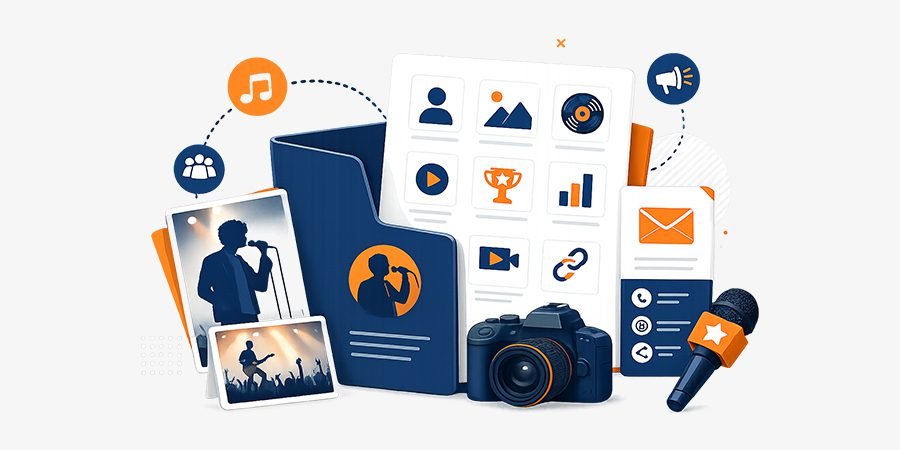
Press kits matter a lot when it comes to PR for musicians. Music artists should consider their press kits as their professional resume. So, it is crucial to double-check the quality rather than focusing on quantity.
Here are some core elements an effective press kit should include:
- A Brief Artist Biography
Your bio is one of the most important elements of an electronic press kit. Make sure to develop it in multiple lengths.
- Short: This should be used in social media platforms, flyers, or quick introductions.
- Medium: The standard version that can be used for the majority of contexts.
- Long: This version can be used for press releases, in-depth interviews, and media pages.
Your press kit bio should clearly answer who you are, where you come from, what genre you make, and what your major achievements are. Music artists should write it in third person, with a professional yet original tone.
- High-Quality Photos
Images are usually the very first thing that catches attention when someone comes across your press kit.
Musicians should include:
- At least 3-5 high-quality photos
- Both live and static artistic shots
- Both vertical and horizontal formats
- Files in different sizes from web to print.
Musicians should avoid including unprofessional selfies or amateur shots and instead include high-quality photos from professional photoshoots.
- Music (Streaming Links)
When developing a press kit to do PR for musicians, they should avoid attaching audio files directly. Rather, they should use streaming platform links of:
- Apple Music, Amazon Music, Spotify, or YouTube Music
- YouTube or SoundCloud for unreleased music tracks
- Showcase 3-5 of your best or most representative tracks
- Video
Make sure to include at least one high-quality music video, such as
- An official music video
- Acoustic session
- A well-recorded live session
- Lyric video
A video has the capability to communicate far better than words can about your professionalism and stage presence.
- Artist Resume or Key Highlights
Musicians should list their major achievements as highlights in their press kits:
- Released albums and singles along with accurate release dates
- Remarkable live shows
- Awards and recognitions achieved
- Significant press coverage gained
- Successful collaborations with other music artists
- Streaming and Social Media Stats
Make sure to include your key metrics, including:
- Monthly listeners on Spotify
- Number of followers on social media platforms like Facebook, Instagram, and YouTube
- Major Milestones. E.g., (10,000 streams on Spotify in 10 days)
Music artists should avoid exaggerating numbers, as credibility beats impressive figures when doing PR for musicians.
- Contact Information
Adding your contact information to your press material is crucial as it makes it easier for journalists, booking agents, or festival organizers to contact you. Music artists should always include:
- Personal or management booking email
- Contact number (optional)
- Relevant links to official website and social profiles
- How Can Music Artists Build and Format Their Press Kits
Musicians can host and format their press kits in 2 different ways, based on their budget and technical comfort:
Option 1: Press Kit Building Platforms
There are multiple platforms that musicians can leverage to create their press kits:
- BrandZoogle: An exceptional all-encompassing website builder personalized for musicians that includes built-in, easily customizable EPK templates with contact forms and private media players.
- ReverbNation: It offers a free, dedicated electronic press kit builder that extracts data directly from your ReverbNation profile, making the process of showcasing bios, gig history, and press coverage even more seamless.
- Canva: This is a highly recognized platform in India which can help budding music artists create tailored PDF press kits. It features thousands of free and premium templates and allows you to include clickable links to your social media and music track.
Option 2: PDF “One Sheet” EPK
An easily downloadable PDF works for situations where music artists need to attach something directly to an email rather than simply sending a link.
Musicians should make sure to keep it under 10 MB so it does not block inboxes. Include all crucial information and details, but link out to videos and full music rather than simply embedding large files.
- Engage in Events and Podcasts

Participating in events hosted by other music artists or professionals in the entertainment industry is one of the key strategies of PR for musicians. By engaging and performing at another artist’s gig or album launch, singers can expose themselves to a wider audience and gain new fans who have similar music tastes.
Furthermore, podcasts are an emerging PR strategy, with the number of monthly podcast listeners in India predicted to reach 267 million by 2029. Podcasts offer a great platform for musicians to share their authentic life stories and motivations that drive them to write songs.
This not only strengthens fan loyalty but also directly engages listeners who are likely to attend live concerts and stream tracks of newly discovered artists.
Here are some key strategies for musicians to participate in events and podcasts:
- Guest Appearances and Interviews
- Targeting the Right Fit: Musicians should research podcasts that perfectly align with their musical genre, specific song themes, and lifestyle. If you are a newbie music artist, then you should pitch to niche shows rather than broad, celebrity-focused podcasts.
- Share Your Process: Audiences connect better with stories. So, musicians should share their process of songwriting, their key inspirations behind the song, or personal setbacks that they faced while writing the song.
- Exclusive Content: Make sure to provide the host with exclusive, unreleased tracks, behind-the-scenes stories, and acoustic versions to make your first appearance on their show.
- Leverage Podcasts
- Be a Guest: Music artists can pitch themselves to culture, entertainment, or music-specific podcasts, even at local venues, to share their processes of developing a music track. You can consider trying to find responsive shows by searching platforms like Apple Music and Spotify Podcasts.
- Start Your Own Podcast: Musicians should start a dedicated show to share behind-the-scenes and motivations behind an album. The podcast must be organised to discuss crucial industry topics to create and retain a loyal fanbase.
- Audio Placements: Make sure to authorise tracks for podcast outros, intros, or background in order to reach a new, broader audience and drive steady revenue flow.
- Engage in Live Events
- Live Podcast Recordings: Musicians should host or attend live podcast events at festivals, art centres, or local venues. Live shows are a great way to interact with audiences in real time and offer opportunities for collaborations.
- Networking Events: You must attend relevant seminars and workshops that are hosted by established music organisations. Through these events, you can get exceptional opportunities to meet industry leaders and create meaningful professional relationships.
- Optimise Social Media and Online Presence for an Artist’s PR Growth
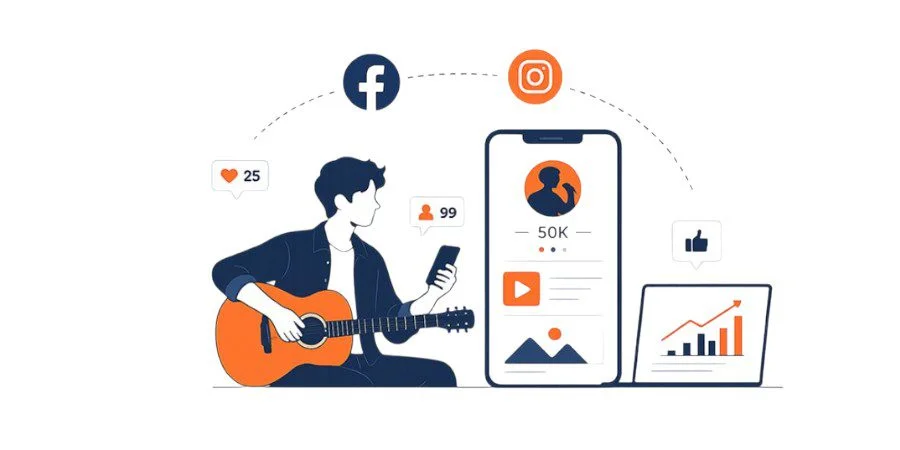
In the modern digital era, your social media presence is an extension of your efforts in PR for musicians. Do you know that approximately 70% of music listeners in India reported discovering new songs through social media channels? Music artists can engage with their fans directly by implementing platforms like Facebook and Instagram.
In public relations, consistency is non-negotiable, especially for music artists. By sharing behind-the-scenes, regular updates, and personal inspirations, musicians can strengthen fan engagement.
Although many music artists could not resist the charm of establishing a powerful presence across various social media platforms, musicians should strategically identify only those platforms that resonate with their audience’s preferences.
For example, if your target demographic is young music listeners (e.g., between 18 and 25 years), platforms like Instagram and Facebook are more suitable. On the other hand, musicians who are looking to captivate a slightly older demographic might find Facebook a better option.
- Work With Content Creators and Influencers
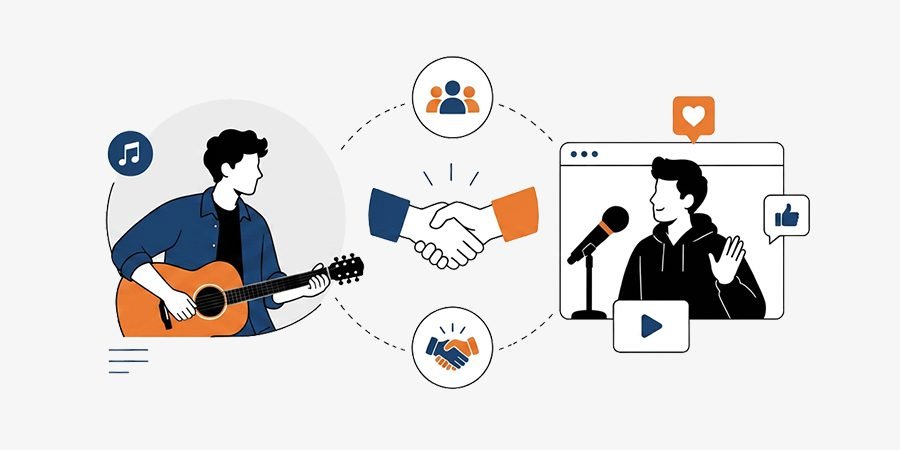
Influencers and content creators have become increasingly important in recent years and play a huge role in promoting music.
Whether it is through Facebook videos, YouTube reactions, or Instagram Reels, partnering with influencers exposes your music to a wider audience who would otherwise have no idea about your music.
PR for musicians includes establishing meaningful relationships with influencers who can naturally promote an artist’s music.
However, to ensure a successful collaboration, musicians need to choose the right influencer. For example, as a music artist, you would not want to collaborate with a sustainability content creator, right? Because that would yield zero results.
So, here are some key strategies for musicians to choose the right content creator:
- Clearly Outline Your Niche and Audience
When researching for the right influencer, musicians should make sure to identify who their ideal listeners are.
- What is your genre (e.g., rap, hip hop, or pop)
- What aesthetic, lifestyle, or subcultures find your lyrics appealing?
Musicians should list at least 3-5 established artists who produce similar music. And use their fanbase as the benchmark for their search.
- Search Natively on Social Platforms
Directly move to the platforms where your music performs the best.
- Facebook and Instagram Reels: Musicians should search niche hashtags and music tracks that perfectly align with their genre. They can consider going through their “For You” page or “Explore” page to identify which creators are using similar audios.
- YouTube: You can search for YouTubers who are passionate about reviewing songs and music tracks or channels that react to songs, and video critics who cover your unique genre.
Make sure to closely check the comment sections or posts of established content creators to find smaller, highly engaged “micro-influencers” who are more likely to be interested in collaborating with you.
- Review Influencers Effectively
In order to avoid influencer fraud, musicians should thoroughly audit their potential partners.
- Ensure Relevance: See if the creator naturally integrates lifestyle, music, or relevant topics into their content
- Review Their Engagement Rates: A creator that has 10,000 active, regularly commenting followers is more likely to yield better outcomes than one with 100,000 inactive followers.
- Authenticity: This component matters a lot in PR for musicians. Music artists should read the comments on the influencer’s post that they are looking to collaborate with. Are people genuinely engaging with the content creator, or are the comments just spam?
- Leverage Influencer Discovery Tools
In case manual search is too overwhelming and takes a lot of time, you can either seek professional influencer outreach services or leverage tools like:
- Upfluence to filter creators across platforms like Instagram, Facebook, and YouTube by location, keywords, and audience demographics.
- Collabstr to explore and securely partner with verified content creators.
- Sprout Social Influencer Marketing to research performance insights and identify creators whose content revolves around music promotion.
- Establish Meaningful Relationships with Journalists

Establishing and maintaining powerful relationships with journalists and entertainment media outlets can maximize the chances of being featured in top-tier publications.
Here are a few tips for targeted media outreach that musicians can consider:
- Network At Highly Impactful Events
It is impossible to replicate the effectiveness of face-to-face interactions when it comes to building meaningful and strong relationships. Music artists should attend music industry events to connect with journalists in person. They should engage in conversations that show that they are genuinely interested in their work.
Artists should prepare a short pitch about their music, but encourage journalists to actually listen to their songs rather than promoting them.
- Engage Online
In the digital era, social media platforms act as exceptional platforms for networking purposes. As a music artist, you should leverage social media platforms like Twitter, LinkedIn, and Instagram to actively engage with entertainment or music journalists. By leaving thoughtful comments on their posts, sharing their work, and initiating valuable conversations, you can guarantee a long-term partnership with music journalists.
This might maximize the chances of direct collaboration or interactions. Remember, media partnership means genuine engagement, so musicians must always remember to add actual value to their conversation rather than just seeking attention for their own work.
- Offer Real Value
Networking is a two-way street. Building long-term relationships is vital for PR for musicians. In order to build sustainable relationships, artists should add value to music journalists. This could mean offering exclusive content such as unreleased soundtracks, access to interviews, and unique industry insights.
When a journalist sees that you are not just taking help from them but also offering them valuable assets, they are more likely to support you and your work.
- Collaborate Regularly
Collaborating matters a lot when it comes to the music industry. Musicians should look out for opportunities to work with other singers, media outlets, and artists. This could involve co-creating multimedia investigative features, producing in-depth editorial projects, and engaging in artist-led op-eds.
These meaningful collaborations can not only expand your reach but also strengthen your connections within the industry. Moreover, they open doors for more opportunities as you become a recognized industry leader.
- Consider Following Up
After meeting someone new or partnering with them for a project, music artists should always make sure to follow up. A brief thank-you message can go a very long way in showing that you appreciate their time and efforts for collaborating with you and keeps the partnership alive.
Following up consistently often highlights professionalism and helps you strengthen the relationship.
- Elevate and Repurpose Your Content Across Various Channels
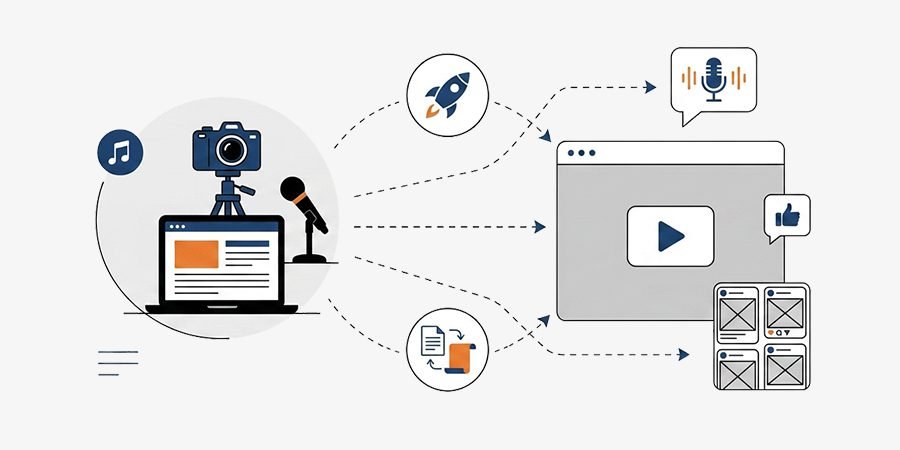
Repurposing content like press coverage, released soundtracks, and key awards and recognitions across various channels is one of the most important strategies of PR for musicians.
By elevating and repurposing content, musicians can overcome brief attention spans and the saturation of platforms. Instead of depending solely on a single release, artists can reach diverse audiences, maintain consistent visibility without any burnout, and easily convert casual scrollers and listeners to dedicated fans.
Now that you have a clear understanding of why repurposing content across different platforms matters, let’s take a look at how musicians can repurpose their content successfully.
- Music Videos and Engaging Visual Content
Music videos offer massive visual assets that can be repurposed for months of consistent social content.
- Short-Form Video: Chop off long music videos, live performances, or studio sessions into quick 15- 60-second clips emphasizing on dance moves and high-energy choruses on platforms like Instagram Reels, YouTube Shorts, and Facebook videos.
- Visualizers and Looping Arts: Musicians can use specific scenes from their music videos as looping Spotify Canvases or animated motion art for Apple Music.
- Behind-the-Scenes: Consider repurposing raw b-roll, on-set vlogs, or bloopers as an exclusive Instagram Story series.
- Key Miletones
Sharing major achievements can help music artists build social proof and credibility.
- Carousel Posts: Artists can create a multi-slide Instagram or LinkedIn Carousel clearly detailing the journey.
- Email Newsletters: Musicians should dedicate a monthly fan email to celebrate these major wins. However, don’t forget to embed the direct links to previous achievements, new music, and merchandise.
- Press Coverages and Reviews
Third-party validation is one of the most powerful aspects of PR for musicians.
- Testimonials: Musicians should transform unique review statements into engaging quotations and share them on platforms like Instagram and X.
- Story Highlights: You can gather positive press and share it through a dedicated Instagram highlight on your feed, labelling it as “Achievements”. So that your new listeners or streamers immediately see your crucial accolade.
- Link in Bios: When a reputable media publication features your story, you can directly shift the traffic attention to the news article, using Link in Bio tools like Linktree or simply embed it into a Linktree Store.
- Press Releases
A single text-based press release can create the base of your music marketing rollout.
- Video Press Releases: Musicians should record a 60-second “talking head” style video clearly answering the key questions that are addressed in the written press releases.
- Social Media Announcements: Music artists should break the press releases into bite-sized announcements.
Example: “So excited to announce my new EP coming out on [Date]” linking to streaming platforms.”
- Content Repurposing Strategy
- The Pillar Method: Music artists should treat their music videos or major press releases as the “pillar” content. From this single source, musicians can extract 5 to 10 shorter clips for successful repurposing.
- Platform Mapping: Make sure to personalize the tone for each platform. Leverage platforms like LinkedIn to showcase your achievements to your networks, Instagram to share short-form video clips, and YouTube for full-length pillar videos.
5 Disastrous PR Mistakes That Musicians Must Avoid
Navigating the challenges of the music industry often requires a sophisticated balance of authenticity, strategy, and professionalism.
By avoiding these 5 major PR mistakes, musicians can not only protect their reputation but also maintain a successful, sustainable music career.
- Engaging in Unfiltered “Clout Chasing” and Fanbase Wars
One of the major mistakes when doing PR for musicians is creating intentional controversies or encouraging toxic fanbase wars. This can severely damage your credibility and make industry professionals avoid taking your music seriously.
How to Avoid It?
Rather than intentionally making your fans hate other artists or start a war with their fanbase, music artists should direct their fanbase’s energy into supporting the music of other artists or engaging in charity projects.
Always make sure to address other artists with respect and avoid commenting on Internet drama to gain engagement. This will not only encourage people who do not listen to your music to view you as an authoritative person but also open doors for future collaborations.
- Running Tone-Deaf Promotional Campaigns
Tone-deaf campaigns such as overly sensitive advertising on global tragedy days or making use of gimmicks to mock social movements are likely to cause social backlash and controversies.
How to Avoid:
Music artists should always double-check their ad copy, messaging, and visuals to ensure cultural sensitivity. By leveraging tools like Meta Ads Manager, musicians can easily target their specific audiences rather than depending on broad, potentially offensive stunts.
- Completely Ignoring Media Relationship Building
Sending mass, generic, or demanding emails to media outlets, journalists, and event organizers can make you look like an amateur and might completely ruin your vital industry networking connections.
How to Avoid It?
Before pitching, musicians should thoroughly research their media targets. They can leverage tools like Muck Rack to identify the right journalists who cover their specific genre and tailor their pitch to clearly explain why they fit their readership.
- Not Having a Solid Crisis Management Plan
In case of a crisis, issuing defensive posts and insincere apologies, or a delayed response, is one of the major mistakes of PR for musicians. As this mistake might not only fuel outrage among listeners but also escalate a minor issue into a career-threatening disaster.
How to Avoid It?
Musicians should clearly define potential risks and a chain of communication even before a crisis hits. Take accountability as quickly as possible, share verified facts to suppress speculations, and adhere to transparent crisis management policies to shape the narrative.
- Deleting or Ignoring Negative Feedback
Eliminating or deleting constant criticism or completely ignoring public sentiment makes an artist appear out of touch, defensive, and unaccountable.
How to Avoid It?
Leverage social listening strategies to clearly understand why your audience or listeners were upset. Music artists should professionally address grievances, take accountability for their mistakes, and use the feedback as an opportunity to learn and be better.
FAQs
Ans: In India, a music PR cost might range between Rs 25,000 and Rs 3, 00, 000 per month, depending on whether you are an emerging or an established indie artist.
Ans: No, public relations cannot guarantee viral fame or Spotify streams. Most music PR firms focus on building awareness, credibility, and a stable image by securing media coverage and generating industry buzz in just one release. However, PR can help translate this attention into virality or streams depending on the quality of your music and listener engagement.
Ans: A music publicity campaign can be measured by keeping track of actionable data like website referral traffic, increased streams during press coverage, and growth in direct fan channels like email sign-ups.
Ans: Marketing for music artists focuses directly on reaching fans to generate measurable outcomes like merch sales, streams on platforms like Spotify and Apple Music, and ticket purchases. On the other hand, PR for musicians focuses on building their brand’s reputation and credibility by convincing journalists and influencers to discuss their music.
Ans: In order to choose the right public relations firm for your music genre, artists should assess agencies based on their media connections, roster history, and tactics of executing a PR campaign before signing a contract with them.
Conclusion
Investing in music PR matters because it is not just a nice-to-have; rather, PR for musicians has become a primary tool that can help them grow, stand out, and stay relevant in the consistently evolving music industry.
From offering high media exposure to building a solid brand identity, an effective public relations strategy clearly defines the exact way the world perceives you. If you are just starting out with public relations and find the process a little too overwhelming, you can perhaps consider partnering with a public relations expert.
