

The core aim of the logistics industry is to deliver goods to destinations quickly and efficiently. However, with the logistics market anticipated to reach 476.51 billion by 2031, the competition is likely to reach its peak. Owing to the evolving customer needs and heated competition, standing out and getting the attention of target audiences can be quite a task. By employing effective logistics PR strategies, freight and logistics businesses can boost their operations and enhance their brand image.
In this blog, we will be discussing how public relations is crucial in growing the logistics industry and the PR strategies they can implement to maximize the growth.
What is Logistics PR?
Public relations for logistics companies is the specialized communications management for the transportation, supply chain, and warehousing industries. Although PR consists of a lot of things, in simple words, it is about storytelling.
For logistics businesses, it can help build trust, shape market perception, generate high-quality leads, and set your logistics company apart in a highly crowded market.
5 Major Advantages of Investing in Logistics PR
The core focus of logistics companies is operations. However, perceptions are also a big deal in business growth. Operational disruptions, delayed deliveries, or the spread of misinformation can severely affect credibility if not dealt with properly.
Strategic public relations ensures that your brand’s narrative stays consistent, accurate, and credible.
In this section, we will dive deeper into the benefits of public relations for the logistics sector:
- Attract Highly Valuable B2B Partners
B2B buying cycles are often lengthy and highly risky. By incorporating effective PR strategies, logistics and inland transportation companies can build credibility and reliability, which is crucial for attracting top-tier clients and ensuring long-term enterprise contracts.
- Establishing Trust and Credibility
Earning media coverage in a top-tier trade publication or business journal can be a highly effective third-party endorsement. This practice can be increasingly helpful in developing long-lasting trust among stakeholders that paid advertising will never be able to replicate.
- Demonstrating Unique Capabilities
Logistics is a term that includes a broad range of services. Effective public relations cuts through the highly technical jargon and clearly showcases niche offerings like last-mile delivery, pharmaceutical, and cold-chain warehousing, allowing logistics firms to stay ahead of the competition.
- Managing Crisis Successfully
No brand, industry, or organization, no matter how great they are, is resistant to crises. Crises such as port congestion, delivery delays due to weather, or supply chain interruptions are inevitable. A well-defined, transparent crisis communication strategy can help logistics brands to reduce client retention and safeguard their reputation when challenges emerge.
- Higher SEO and Digital Visibility
Consistent logistics PR efforts, including publishing impactful press releases, getting featured in top-tier publications, and securing high-quality backlinks, often indicate to search engines that you are an authoritative source. This can help logistics brands get more organic search traffic and position their brand at the top for industry-related search results.
7 PR strategies that can strengthen logistics companies’ public relations efforts
To have a clear understanding of why public relations is crucial for logistics companies, it is crucial to know the strategies that make it effective. So, in this section of the blog, we will be discussing 7 PR strategies that are crucial for effective public relations:
- Have a Solid Crisis Communication Plan

Do you know that 59% of Indian companies have claimed that their businesses were negatively affected by the COVID-19 pandemic? This makes a comprehensive crisis communication plan a vital part of an effective logistics PR strategy.
In the logistics industry, operational interruptions are very common. Be it delivery delays due to weather conditions or major geographical factors, a crisis can escalate immediately if it is not managed professionally.
By crafting an effective crisis communication plan, logistics businesses can mitigate financial losses, protect their reputation in the market, and maintain long-term stakeholder trust. Crisis communication helps logistics companies to quickly spread the correct information, preventing rumours and minimizing anxiety among internal teams and clients.
- A Complete Guide to Developing a Robust Crisis Communication Plan for Logistics Brands
In order to craft a good crisis communication strategy, logistics companies should follow the steps mentioned below:
Step 1: Recognize Growing Crises
Logistics companies often face various types of challenges. It is increasingly important to identify them while they are still emerging. So, logistics firms must ideate scenarios with their operations and safety teams to prepare themselves for:
- Supply Chain Disruptions: This crisis can occur due to various scenarios, including weather, customs delays, and port strikes.
- Safety Issues: Vulnerabilities such as hazardous material spills, facility injuries, or freight accidents.
- Cyberattacks: This often includes system outages or malware that disrupts tracking and delivery fulfilment.
Step 2: Arrange a Mutidisciplinary Crisis Team
During emergencies, logistics brands need quick decision-makers. By organizing a dedicated team of crisis management professionals and including backup contacts, logistics companies can ensure successful crisis management.
- Incident Commander: Also known as the operations director, is crucial for managing the physical situation of the crisis.
- Communications Coordinator: They are PR specialists who bring expertise in crafting and distributing the core message during crises.
- Legal Counsel: This division ensures that your statements mitigate liability without appearing misleading.
Step 3: Develop Strict Communication Guidelines
Uncertainty is one of the major reasons for causing delays, and during a crisis situation, speed is what matters the most.
- Chain of Command: Clearly state who has the power to declare a crisis situation and approve public messaging.
- Designate a Spokesperson: Logistics practices should select 1-2 trained spokespersons, such as the CEO or the regional manager, to answer incoming media inquiries.
- Schedule Timings for Responding: Make sure to set up an internal guideline to answer media queries within 60-90 minutes and publish a press release within 24 hours.
Step 4: Craft a Holding Statement
Press releases are a major component of successful logistics PR efforts. Although it is not possible to write a press release for an event or situation that has not happened yet, what you can do is craft templates. Logistics brands should develop generic holding statements that include acknowledgement of the situation that occurred, clarifications that facts on the situation are being gathered, a strong commitment to safety, and providing necessary updates.
Step 5: Outline Your Stakeholders and Relevant Channels
Personalize your messaging to specific audiences who were affected by the whole situation and make sure to deliver it through appropriate platforms.
- Clients/ B2B Partners: Logistics firms should share every little information on the crisis to its clients and partners through direct emails, portals, or dedicated account managers.
- Employees: By leveraging internal communication tools like Staffbase, logistics brands can share vital updates on the crisis before they reach the public.
- Media or the Public: Make use of your official website and social media platforms to shape the narrative and reduce rumors.
Step 6: Assess and Train Regularly
To ensure an effective crisis communication strategy, logistics companies should evaluate it regularly. Logistics firms should execute thorough mock exercises, such as a mock cyberattack or facility accident, in order to determine the response times of the crisis communication team.
Logistics companies should update and modify their crisis communication plan annually or whenever structural shifts occur.
- Position Founders as Thought Leaders in the Industry

Imagine someone searches for logistics-related information, your brand appears at the very top, and the person quickly clicks on it because they trust your brand. This trust can be established through thought leadership.
It is a crucial logistics PR strategy where brands showcase their expertise and share their unique insights to position their company as an authoritative source within the industry and attract the attention of prospective clients, investors, and partners.
So, now the question is, how can logistics companies build thought leadership? Here are a few ways:
- Claim Your Niche
In order to establish themselves as thought leaders in the industry, logistics companies should avoid covering generic industry topics. Identify a specialized area in which you bring deep knowledge and expertise and can offer authoritative insights.
Whether it is predictive route optimization, cold-chain compliance, or automated fulfilment, demonstrating expertise in a particular segment positions you as a go-to expert rather than a mere commentator.
- Utilize Digital Platforms
Logistics companies should publish authentic research on platforms where decision-makers of the industry come together.
- Write on LinkedIn: Logistics suppliers can leverage platforms like LinkedIn to post regular operational updates, monitor changing market trends, or host audio events that discuss supply chain fluctuations.
- Develop and Publish Detailed Content: Make sure to contribute bylined articles, whitepapers, or crucial pieces of insight to top-tier publications such as Supply Chain Dive or Logistics Management to establish long-term credibility.
- Oppose the Current Situation
Genuine thought leaders do not just repeat news; rather, they have a strong point of view. Logistics companies should monitor current challenges and confidently suggest alternative approaches.
If you have a proper data-driven, cutting-edge solution, then you navigate challenging situations seamlessly.
- Speak and Network at Major Events
Logistics businesses can maximize their visibility by engaging directly with their community.
- Volunteer to speak or sit on panels at major industry conferences like Gartner Supply Chain Symposium or Manifest.
- Start small by hosting local webinars or engaging in logistics-centric meetup groups.
- Offer Unique Perspective
Although it might feel like a challenge to do something that no one else has done, being innovative can not only help you gain attention but also make your logistics company stand out.
Developing valuable content can support logistics services in conveying these innovations successfully to their audiences on a wider range. Being an innovator might feel overwhelming, but brands that are bold enough to think out of the box and do something new and original are likely to stand out in the competitive market.
- Host Podcasts
Finally, podcasts are one of the best ways for logistics brands to share their industry expertise.
It is not surprising that so many modern-day logistics businesses are using podcasts to establish trust and loyalty among audiences. Compared to company blogs, podcasts leverage a human voice to communicate the genuine emotion behind the message, which often resonates with investors, partners, and clients these days.
- Highlight Your Success Stories Through Case Studies
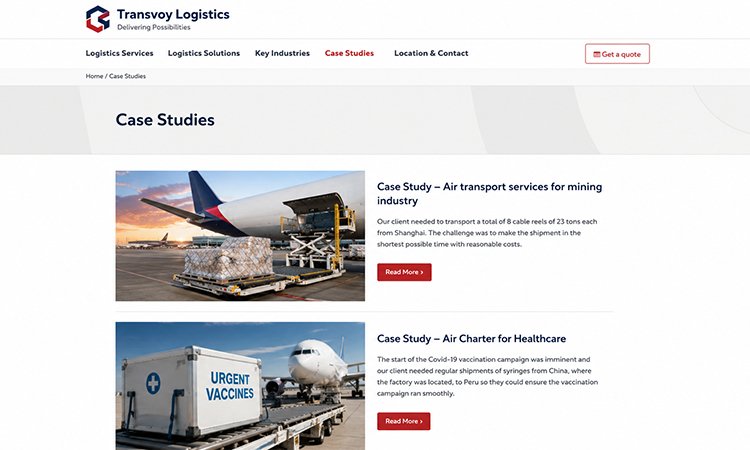
A successful logistics PR strategy does not end with positioning your brand as thought leaders in the industry- there’s more to it. Every logistics firm has success stories that are worth sharing.
What’s the point of offering top-notch services if you do not showcase the results? Whether you have helped a client reduce their shipping costs or maximized delivery timelines, these achievements can highlight your expertise better than any paid advertising.
Case studies act as social proof and offer real-world results of your logistics solutions. This can give solid reasons to your potential clients to choose your brand over the competitors.
- How can Logistics Services Showcase Their Success Stories Through Case Studies?
While other marketing materials often showcase what a company “can do,” case studies highlight what the company “has already achieved,” making them one of the most essential assets of public relations.
So, here are a few efficient steps logistics companies can follow to demonstrate their achievements through persuasive case studies:
Step 1: Structure a Successful Logistics Case Study
When crafting a case study, logistics brands should make sure to format it with a clear and easily readable structure.
- The Client’s Background: Logistics brands should introduce the company and the major operational challenge they are facing. For example, an e-commerce exporter faces severe challenges in managing the high costs of international reverse logistics.
- Your Strategy/ Solution: Clearly highlight the specific operational improvements that were implemented by your logistics company, such as leveraging Returns Management Systems (RMS) to automate customer refunds and routing, setting up regional return hubs, and navigating complicated customs documentation.
- Share the Successful Outcomes: Lastly, logistics firms should showcase the ROI generated using appropriate data such as “reduced cross-border return freight by 20% and facilitated seamless restocking”.
Step 2: Focus on Powerful Metrics
After you are done creating a framework for your case studies, it’s time to showcase the operational pillars that logistics clients care about the most.
- Cost Effectiveness: Clearly demonstrate cost savings in freight audits, cuts in total landed cost, and reduced inventory carrying rates.
- Speed and Timeliness: Make sure to highlight your improvements in turnaround times, increased speed in order fulfilment, and reduced supply chain cycle times.
- Technology and Visibility: Outline how data-driven decision-making, automated billing processes, and real-time monitoring have enhanced client satisfaction.
Step 4: Showcase Industry Expertise
Different sectors have different logistics demands. Logistics firms should clearly communicate how their customized solutions have fixed specific pain points.
- Retail and E-Commerce: Logistics distribution centres should showcase the solutions they provide for fast-paced scale, peak-season fulfilment, and multi-node distribution.
- Construction and Manufacturing: You should highlight your unique abilities to manage complex tasks such as material sourcing or time-sensitive, multi-stop deliveries.
- Pharmaceutical: When writing case studies for this sector, logistics companies should strongly focus on specialized handling and adherence to regulatory requirements.
Step 5: Include Client Testimonials
Client testimonials play a significant role in ensuring the success of logistics PR. Words from a satisfied client often carry more weight than any advertisements.
By including valuable client testimonials, logistics businesses can add authenticity and reassure potential clients that they deliver on their promises.
An effective client testimonial should include:
- The key challenge that the client was facing
- How your logistics team resolved the problem
- The impact of the solution on their business
- The client’s overall experience working with your logistics company.
Step 6: Optimize The Presentation and Distribution Process
- Engaging Data: Rather than writing huge volumes of paragraphs, logistics firms can use bar graphs, pie charts, route maps, and simple infographics to provide solid proof behind the “Before” vs “After” metrics.
- Develop Different Types of Content: Integrate easily downloadable PDFs for corporate clients while breaking down complex statistics into immersive infographics or short video snippets to be used for social media platforms.
- Analyze and Learn: Clearly review real-time success stories from industry leaders or competitors to take inspiration on how to format your own to achieve the best results.
- Repurpose Earned Media To Gain Maximum Reach

Earned media coverage can significantly boost brand visibility and build trust among audiences. Getting featured in a top-tier publication is a significant logistics PR achievement and the dream of a lot of supply chain brands. However, most logistics companies make the mistake of sharing their coverage and then forgetting about it entirely.
Earned media should become a consistent PR asset that continues to generate value even long after it was published.
- A Comprehensive Guide for Logistics Companies to Repurpose Their Media Coverage
Here are a few ways logistics firms can repurpose their media coverage:
- LinkedIn Thought Leadership and Updates
- Executive Highlights: Encourage your C-suite executives to share their personal opinions on the media win, mentioning the specific publication, and using relevant industry hashtags.
- Carousel Posts: Make sure to simplify valuable tips, relevant data, or influential quotes from the featured article and translate them into easily readable, compelling image carousels.
- Social Proof: Share major statistics or insights and ask your B2B networks to share their opinions to create buzz.
- Visual and Digital Content Assets
- Infographics: Repurposing media coverage as infographics is a valuable logistics PR practice. Logistics companies should convert quoted data or supply chain reports from their media coverage into a persuasive format.
- Short-Form Videos: Develop short video reels that clearly discuss the issues and how you solved problems in your media coverage.
- Company Website
- Use the “As Featured In” Banner: When repurposing the media coverage on the official website, logistics firms should include a high-resolution logo of the publication and the relevant feature link. You can share it on your website’s homepage or press section for immediate social proof.
- Sales Pitch Decks: Logistics companies can update their sales materials on their company’s website by including relevant quotations and snippets from the media coverage to build credibility during meetings with potential partners, investors, and clients. However, make sure to design them as downloadable resources or embedded links rather than simply uploading a text-heavy presentation.
- Email Marketing and Newsletters
- Lead Generation: You can also consider sharing the press coverage through automated sequences to reassure B2B prospects who are still in the consideration process.
- Company Newsletters: Logistics businesses can send out a monthly recap that includes the link to your featured article with a brief summary of how it has impacted the clients.
- Write High-Impact Press Releases
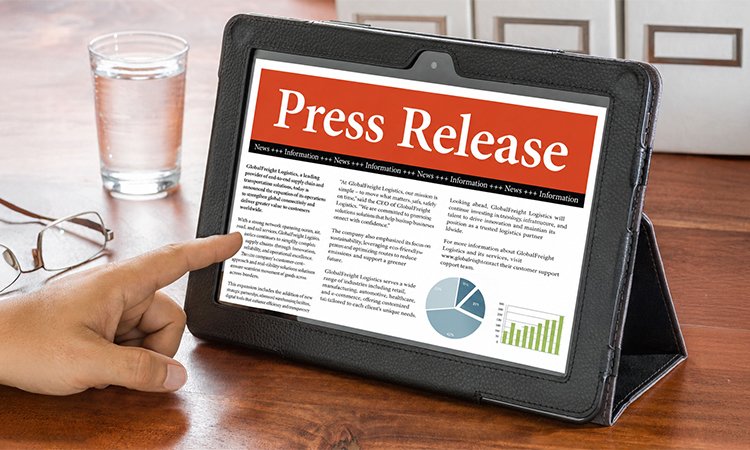
In this section of the blog, we will be discussing why logistics brands should consider writing press releases. Well, press releases are a crucial aspect of logistics PR as they serve as a direct connection to journalists, driving earned media coverage and shaping public narratives.
So let’s take a look at why press releases still remain a major element of your logistics PR efforts:
- Building Brand Trust and Credibility
Official announcements (press releases) offer an authoritative voice to your logistics brand. When you share verified, factual updates through well-crafted announcements, logistics companies can foster trust among clients, journalists, and stakeholders. In fact, many journalists consider press releases as their most trusted source to gain information on organizational news.
A well-crafted press release can showcase transparency, professionalism, and accountability, qualities that audiences often consider.
- Shape Narratives in Crisis Communication
During crises, a press release can be a very effective tool for reputation management. It allows logistics firms to respond quickly, honestly, and professionally, ensuring that you can bust misinformation and clear up misunderstandings.
Furthermore, publishing a clear, factual press release assures stakeholders and showcases that your logistics business acts responsibly.
- Establishing Genuine Media Relationships
Powerful media relationships are built on respect and reliability. Press releases act as a professional medium to bridge the gap between logistics brands and journalists, offering them timely, appropriate, and well-structured information.
Consistently sending high-quality press releases to journalists can strengthen media networks over time, positioning you as an authoritative source for newsworthy content.
Developing effective press releases is vital for successful logistics PR. The best press releases usually follow a standard format, ensuring professionalism and consistency. Here are some of the crucial components of an impactful press release:
- 8 Major Components of an Effective Press Release
- Headline: The headline is the very first thing a reader will see when they come across your press release. This is the best opportunity to get their attention. Your press release’s headline should offer a clear summary of the core message. Logistics brands should keep their headlines brief and use powerful verbs to make them engaging.
- Subheading: While adding this in your press releases is optional, it holds major significance. The subhead of your press release can offer additional context or further explain the headline. A subheading is especially helpful when the headline is short or lacks complete information.
- Dateline: This part of the press release should include the city where the press release is issued and the accurate date of the release. It offers the readers crucial context regarding the location and timing of the announcement.
- Introduction/ Lead Paragraph: It is the most important part of the press release. The introduction part should contain clear answers for the 5W’s (Who, What, Where, Why, and When). When writing the lead paragraph, logistics companies should make sure it is brief and to the point, offering a sneak peek of the key points.
- Body: The body of the press release elaborates the details introduced in the lead paragraph. This section offers deeper information, background, and context about the announcement. Each paragraph in the release’s body should focus on one core idea, and the content should follow a natural flow. Logistics brands should consider including relevant quotes, data, and statistics to support the announcement.
- Boilerplate: The boilerplate is a standard paragraph that offers complete background information about your logistics company. This section offers journalists a simple way to learn more about your organization beyond the press release. A boilerplate should include your company’s mission, history, or important facts.
- Call to Action: CTA in press releases informs the reader what action to take next. It might include visiting your logistics website, contacting the company for more details, or registering for an event. Logistics companies must make sure the CTA is concise and relevant to the purpose of the release.
- Contact Information: This is the last part of a press release. At the end of the press release, logistics companies should include accurate contact details of a PR representative or the person who is responsible for answering media queries. Include a phone number, email address, and social media handles.
In case you are looking to craft highly impactful press releases to communicate major news, we recommend that it’s better to seek professional press release writing services than to write one on your own.
- Engage in Supply Chain Podcasts

In the constantly evolving digital era, public relations is not just limited to publishing press releases and establishing media relations. But it is about establishing authentic connections and building long-term relationships between logistics companies and their audiences.
Among some of the emerging communication tools, podcasts stand out as a powerful tool for building genuine engagement.
- Why Are Podcasts A Game Changer for Logistics PR?
Here are some reasons why leveraging podcasts in your logistics PR strategy can be beneficial:
- Builds Thought Leadership: B2B buyers in the supply chain value transparency more than anything. Hosting or getting invited as guests on a supply chain podcast can allow your key executives to simplify complicated topics like overcoming complicated topics like last-mile efficiency or automation challenges, positioning your logistics brand as an authoritative industry resource.
- Establishing Genuine Connections: Audio content is much more effective than written content as it creates a feeling of familiarity that text content often fails to create. By leveraging podcasts to share achievements, real-life operational stories, and even how your team has successfully handled supply chain disruptions, logistics companies can humanize their business.
- Maximizes Audience Reach and Engagement: Unlike traditional PR methods that heavily relied on one-time coverage, podcasts usually offer long-form, evergreen content that drives value even after years. Moreover, podcasts offer a great platform for brands to reach a wider audience, which no other PR platform can match.
- Boosting SEO and Digital Presence: Getting featured on relevant industry shows or hosting a podcast show of your own drives high amounts of referral traffic and a higher domain authority. Optimizing show notes with relevant logistics-focused keywords can help your website rank higher for specific logistics-related searches.
- How Logistics Brands Can Use Podcasts to Maximize Reach and Visibility
In this section of the blog, we will be discussing a few ways to leverage podcasts to increase the likelihood of logistics PR success:
- Execute Strategic Guest Appearances
Getting invited as a guest to a reputed logistics podcast channel can position your executives as subject matter experts in front of a highly engaged audience that corresponds to your target demographics.
- Conduct Thorough Research and Pitch: Make a comprehensive list of relevant podcasts that align with your industry. Make your pitch unique in a highly specific “ego stroke,” clearly explaining what exactly makes you a great fit to be invited as a guest. Clearly define the unique takeaways that you can share, and provide a free resource for their listeners.
- Use Audience Burrowing: Take advantage of the established audience of the host. Adapt these features to drive traffic back to your company’s website or social media channels.
- Launch a Branded Podcast
Developing a company-owned podcast allows logistics companies to shape the narrative entirely and establish a loyal, niche-specific community.
- Emphasize Value, Not Just Pitching: Logistics brands should avoid using the podcast as a long-form advertisement. Rather, focus on creating content around your target market’s major pain points. Discuss emerging industry trends, share behind-the-scenes innovation, and invite thought leaders to interview them.
- Enhance Crisis Management: Make use of the audio format of your podcast to humanize your executive team. A podcast is a great platform for investor relations as it can be leveraged to share the unique company culture of your logistics business and communicate honestly during crisis situations.
- Repurpose and Elevate Content
Whether you are a host or a guest, you should treat every episode of your podcast as a minified version of your PR campaign.
- Visual or Written Content: You can translate long-form content into press releases, thought leadership articles, infographics, or newsletters.
- Video and Social Cuts: Consider extracting short, vertical video clips such as Instagram Reels or YouTube Shorts from your podcasts. This content often serves as social proof to drive organic discovery among users who do not listen to an entire podcast.
- Leverage Industry Events to Achieve High Visibility

If you want to build your logistics brand successfully, you need to create networks with major stakeholders and generate hype around your business. They are one of the most important pillars of logistics PR.
Industry events or trade shows often bring together a large group of audience, which might consist of customers, industry leaders, or even media professionals, offering a golden opportunity to place your logistics business in front of a wider audience.
Here are some of the major reasons logistics brands should engage in events:
- Direct Media Engagement
Events are a great way to organically attract editors or journalists who are looking to cover a good story.
This offers an organic space to host press conferences, secure exclusive one-on-one interviews, and launch breaking news right under the spotlight rather than getting lost somewhere in a reporter’s mailbox.
- Builds Thought Leadership and Credibility
By securing panel slots, tech expos, and trade shows, you can ensure a major PR win. Why? Because these events can help logistics firms position themselves as subject matter experts, building brand authority and amplifying their brand’s public image.
- High-Value Networking Opportunities
Beyond the main stage, events offer unmatched access to major stakeholders, VIPs, and partners in a single location. This allows public relations services and executive teams to nurture brand loyalty, establish relationships, and build an “inner circle” of advocates.
- Effective Storytelling
Online advertising can never be able to replicate the familiarity and face-to-face connection of live events.
Industry events or service introductions often allow audiences to physically engage with your logistics company, humanizing your brand and making your key message easier to remember for audiences.
6 Major Logistics PR Pitfalls to Watch Out For
Public relations can either make or break the reputation of a logistics company. When implemented right, public relations can help logistics firms attract new clients and build sustainable credibility.
However, on the negative side, even the most successful logistics companies can damage their brand’s reputation by making PR mistakes that almost every brand makes.
From ignoring crisis management to establishing and developing media relationships, these pitfalls can quickly erode client trust and reduce media visibility. So, here are 6 common logistics PR mistakes that brands must avoid:
- Not Having a Solid Crisis Communication Plan
The logistics industry is highly vulnerable to crises such as port congestion, bad weather, transport breakdowns, or cyberattacks.
Without a strategic crisis management plan, logistics companies often respond slowly and inconsistently, allowing the spread of misinformation and the growth of client suspicion.
A well-crafted crisis communication strategy can help logistics brands communicate quickly, accurately, and honestly even during challenging circumstances.
- How to Avoid It?
Logistics services should focus on preparing a well-defined crisis management plan with a dedicated spokesperson, clear response guidelines, and strict internal communication protocols. You should closely monitor media channels and conduct regular crisis assessments to ensure you stay active and respond quickly when a sudden crisis hits. If you find the process of developing a crisis management plan a little too overwhelming, you can consider seeking personalized crisis management services.
- Overpromising and Underdelivering
A lot of logistics companies make progressive claims on quick delivery speed, unique operational capabilities, and top-notch service quality. However, failing to meet these standards can negatively impact credibility and lead to negative publicity.
Modern-day customers prioritize honesty and reliability over exaggerated claims. Meeting expectations constantly fosters trust and is much more effective than making false promises.
- How to Avoid It?
This logistics PR mistake can be navigated by setting up practical service expectations and ensuring all the claims you are making successfully reflect your operational capabilities backed by proven data. Logistics companies should maintain consistency across all platforms while clearly communicating easily achievable delivery timelines to their clients.
- Staying Silent During Delivery Delays
Going silent or not providing any information when shipments are being delayed might frustrate clients, ultimately eroding their trust. When you do not communicate clearly during delivery delays, your customers and stakeholders are left in the dark. This logistics PR mistake can severely affect the reputation of your logistics brand.
- How to Avoid It?
In cases of delivery delays, transparent, proactive, and consistent communication is the key. Logistics firms should send notifications clearly stating the reason for the delay and providing revised delivery timelines.
- Lack of a Well-Defined PR Strategy
If logistics companies are engaging in public relations impulsively, without having a comprehensive PR strategy and solid messaging, it will make it very difficult for them to establish a long-term brand authority.
Lacking a structured logistics PR plan might lead to fragmented messaging and inconsistent communication.
- How to Avoid It?
Logistics firms should clearly define their objectives, be it maximizing sales, targeting new B2B clients, or establishing thought leadership, and craft a proactive PR plan. Make sure all your communications align closely with sustainable company KPIs, and ensure every PR campaign targets your specific B2B audiences.
- Poor Relationships with Media Outlets
Reaching out to journalists only when you need coverage or have failed to retain ongoing connections with local and trade media is one of the biggest mistakes in logistics PR. This is because it can make your coverage feel transactional and desperate.
- How to Avoid It?
Focus on building genuine media relations by regularly providing journalists with valuable industry insights, reacting to new market trends, and offering subject matter expertise even when you do not have any solid news hook. Otherwise, logistics companies can consider seeking professional media relations services to establish meaningful and genuine relationships with top-tier media outlets.
- Ignoring the Importance of the Right Timing
Releasing impactful press releases or crisis statements at inappropriate times, such as late Friday afternoons or during a massive breaking news, can cause your news to get buried and ignored by journalists.
- How to Avoid It?
Timing is key when it comes to public relations. To achieve maximum impact, logistics companies should time their announcements, ideally early in the week (Monday through Wednesday morning). You can consider leveraging platforms like PR Newswire to identify the right time and day for sending announcements.
FAQs
Ans. Yes, small-scale supply chain businesses indeed need public relations. It can help them stand out from their competitors, demonstrate niche expertise, and secure client trust.
Ans. Public relations, when done right, can reinforce credibility for supply chain brands by establishing third-party trust, showing transparency during disruptions, and offering ethical commitments.
Ans. Yes, logistics public relations can be highly beneficial in cases of supply chain disruptions as it can help manage them by nurturing customer trust, shaping brand reputation, and maintaining honest stakeholder communication even during product shortages or delivery delays.
Ans. To measure PR success, logistics companies need to link their communications data to business-focused supply chain and revenue goals. Rather than depending solely on vanity metrics, logistics service providers can assess their business impact by leveraging industry-specific outcomes.
Ans. Developing a detailed PR strategy requires a well-structured approach. Some of the major steps include setting clear business objectives, identifying target audiences, developing a unique value proposition, crafting a dynamic thought leadership strategy, and a media engagement strategy.
Conclusion
Effective logistics PR is a significant catalyst for driving growth in the highly competitive supply chain industry. Massive changes in technology, e-commerce, and sustainability are revolutionizing the logistics market, and a solid public relations strategy can help navigate these challenges and open logistics brands to broader opportunities.
By implementing the best PR practices mentioned above, logistics firms can maximize operations and enhance brand image by increasing exposure, managing crises, and showcasing technological advancements. In case you are just starting out and struggling to proceed with public relations, you can perhaps partner with a specialized public relations agency.
