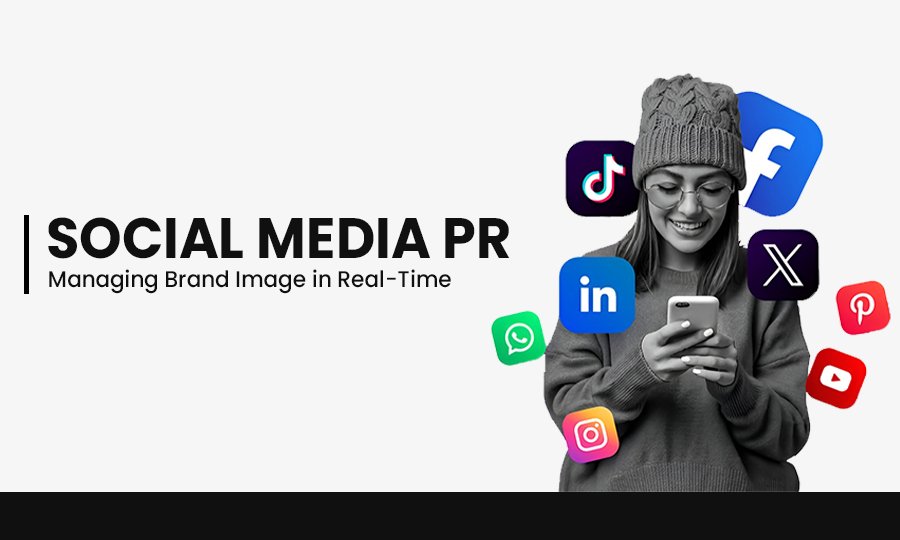
With a new PR trend emerging every other day, modern-day PR campaigns are taking a new shape. With more and more people joining social media (5.79 billion active social media users), brands are accessing various social media platforms to interact with their audiences and widen their reach. But why remain limited to the goodness of social media? By implementing social media PR, brands can share major announcements, milestones, and more with their target audiences in real-time.
In this blog, we will discuss what social media public relations is, how social media has revolutionized PR, and provide effective tips to successfully integrate digital PR on social media. So, let’s get started.
What is Social Media PR
Social Media in Public relations managing a brand’s image and communication, and reputation on social media channels like Instagram, Facebook, and Twitter.
It includes developing compelling content, effectively dealing with a crisis, and engaging with audiences to foster positive relationships. The primary goal of social media public relations is to manage the reputation, image, and brand perception of a company or individual through strategic communication, earned media, and influencer outreach.
Understanding the Importance of Social Media in Public Relations
Now that you have a clear idea of what social media public relations is, let’s take a look at some of the major benefits it offers:
- Allows Brands To Focus More on Customers
Social media has played a major role in bringing brands closer to their customers. Nowadays, brands have started to focus more on their customers, thanks to social media.
A customer with a bad experience can malign the reputation and image of a brand by sharing their experiences on social media. Brands today have realized how social media has changed the way their customers express their feedback, making brands focus more as a result.
- Real-Time Crisis Management
Social media can help brands to immediately detect major issues, allowing them to respond to negative sentiments quickly, correct misinformation, and communicate directly with stakeholders.
- Direct Audience Engagement and Two-Way Communication
Brands nowadays can ditch traditional media to communicate directly with audiences, encouraging, monitoring, and replying to conversations in order to humanize the company through effective social media PR.
- Better Authenticity and Brand Visibility
Social media platforms like Instagram, Facebook, and LinkedIn can help organizations to share their own content, shaping the perception of the public through authentic storytelling rather than depending solely on third-party coverage.
- Influencer and Media Relations
PR professionals can leverage social media channels like LinkedIn or X to establish relationships with reporters, journalists, and industry influencers to encourage coverage.
- Real-Time Measurement and Insights
Social media tools offer crucial, immediate analytics, allowing businesses to monitor campaign performance, determine sentiment, and track public opinion even before it becomes a major trend.
7 Effective Ways Brands Can Successfully Integrate Social Media With Public Relations
Integrating social media with public relations demands consistent communication, strategic planning, and a clear understanding of the audience. In this section of the blog, we will discuss 7 proven methods brands can leverage to fortify their social media public relations strategy:
- Identify Major Trends
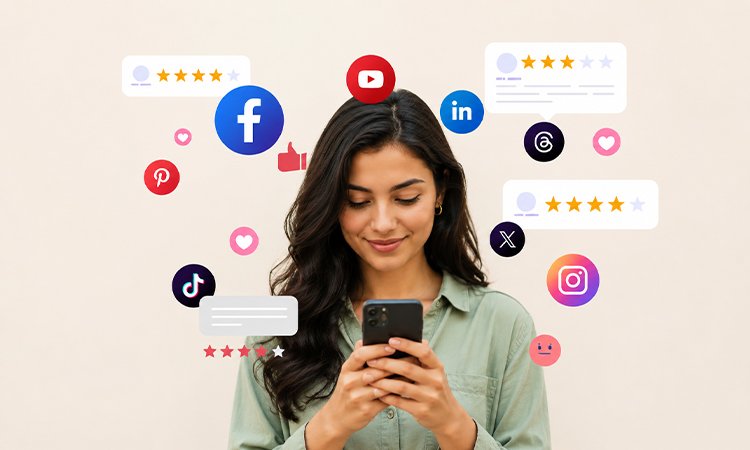
Successful public relations for social media always starts with a clear understanding of what people are talking about. Identifying current trends that are surfacing online and using them thoughtfully can help brands achieve significant visibility.
- Step-By-Step Guide For Brands to Identify Major Online Trends
#Step 1: Audience Analysis and Social Listening
- Social Monitoring Platforms: Brands can leverage tools like Hootsuite or Brandwatch to monitor niche hashtags, competitor activity, and brand mentions in real-time.
- Grassroots Discovery: Social media managers can keep track of smaller organic communities on platforms like X, TikTok, and Reddit to understand cultural shifts before they become viral news.
- Sentiment Analysis: AI-driven tools have the potential to read the pulse of online community reactions and reviews to determine why customers care about a topic and not just what they are doing.
#Step 2: Search and Intent Analysis
- Keyword Tracking: By monitoring search engines, brands can easily identify what customers are actually looking for. Brands can consider implementing tools like SEMrush to monitor the sudden spikes in search volume or shifts in long-tail query phasing.
- Predictive Search: Specialized platforms like “Exploding Topics” can analyze millions of trend signals to showcase topics and products that are receiving rapid traction but are not yet used frequently.
#Step 3: Competitor and Market Intelligence
- Digital Benchmarking: Leveraging platforms like Similarweb can help brands to determine where their competitors’ traffic is coming from, which specific keywords are working the best for them, and what the major market gaps are.
- Analyst Reports: Established brands often depend on industry-specific databases like Mintel and IBISWorld and curated trend predictors like Trendwatching.
- Turn Media Coverage into Shareable Content
There’s no denying that media coverage is valuable when it comes to social media PR. However, its impact simply multiplies when it is repurposed across various social media platforms.
When brands receive interview invitations, mentions in press releases, and/or feature stories, they should turn that coverage into compelling digital stories.
- 8 Ways Brands Can Repurpose Media Coverage
- Instagram Carousels: Brands can consider creating an engaging 3-5 slide post featuring the headline on the cover, followed by relevant screenshots of the best product or quote features, and end it with a powerful CTA (Call-to-Action) directing followers to the link in their bio.
- Story Highlights: When creating story highlights, brands must make sure to share the article or video directly to their Facebook or Instagram stories. Consider saving them in your profile under a “Press” or [Brand Name] feature to boost credibility.
- Tweets: You can break media coverage into multiple thread tweets. Firstly, start with an engaging hook and the name of the publication that has covered your story. For example, “We are thrilled to be featured in [XYZ Publication].” Brands must share 2-3 crucial takeaways in the following tweets and positively include the link to the article at the end.
- Short-Form Videos: Make sure to record a quick video, such as Instagram Reels, YouTube Shorts, or TikTok, of a founder and team members discussing the feature. In the video, make sure to clearly showcase “why” the coverage is compelling and what it has for your customers, while offering viewers the link in the comments.
- Infographics: Brands can transform data points, statistics, or expert advice that is mentioned in the article into a visually appealing graphic. By sharing this on platforms like LinkedIn or your official website, you can generate saves and shares.
- Blog Posts: Consider writing a “roundup” style post on your company blog by focusing on the feature. Brands can share additional context, dive deeper into the topic discussed in the press release, and link to the original article, making it easier for readers to view the full-featured article.
- Press Recap Newsletters: You can leverage email newsletters to share your media coverage. Dedicate an entire monthly email newsletter or specific section to your subscriber list. Highlight valuable quotes, link to the full article, and structure it as social proof in order to build trust with potential customers.
- LinkedIn Posts: Brands can share sneak peeks of behind-the-scenes at their achievements. Consider tagging the journalist, briefly explaining why the feature matters to your industry, and ask your networks to share their thoughts to maximize engagement.
- Major Benefits of Sharing Media Coverage
Here are some key reasons sharing media coverage is crucial for your social media PR efforts:
- Establishing Trust: Modern-day customers feel very skeptical about brand-generated content. By showcasing quotes or features from established third-party journalists, brands can prove to their audience that they are well-recognized in the industry.
- Boosting Reach: Traditional media channels have specific audiences. Sharing valuable media coverage articles directly on your social feeds can help brands extend the lifespan of the story and expose their brands to new audiences that might otherwise not be possible with standard targeting.
- Generating Engagement: Media hits offer exceptional talking points. By sharing media coverage, brands can encourage their followers to comment, ask questions directly to their leaders, and share their personal POVs, ultimately building a loyal customer base.
- Maximizing Website Traffic: Social media platforms are heavily leveraged by customers to discover brands. Promoting your press mentions on social media can direct organic social media traffic straight to your official website, enhancing lead generation and overall SEO efforts.
- Shaping Public Perception: When you actively manage your shared media, you can easily control the narrative. By sharing press coverage on various social media platforms, brands can ensure consistent, approachable, and unified messaging.
- Implement Social Media into Your Press Releases
The modern world demands modern solutions. As the world is moving towards modernization, traditional press releases do not work anymore. Modern public relations strategies must implement cutting-edge social media elements to boost engagement and reach.
Today’s audiences consume information from various social media platforms, which makes it crucial for brands to optimize their press releases for social sharing.
#Step 1: Optimize for Social Sharing and Discoverability
Brands should make it seamless for journalists and readers to share their news with their networks.
- Implement Share Buttons: You must incorporate easily clickable social sharing widgets such as LinkedIn, Instagram, and Facebook directly within the digital version of your press release.
- Open Graph Tags: Make sure your press releases have well-optimized metadata like Title, Description, and a Thumbnail Image. When someone pastes the link on social media platforms, it must automatically be input as a rich, clickable card.
- Social Boilerplates: Brands should update their generic press release boilerplate in order to include their official social media links and handles, driving instant cross-platform traffic.
#Step 2: Incorporate Compelling Multimedia and Hashtags
Social media nowadays is all about visuals. So, brands must structure their press releases to align with easily scannable, highly visual platforms.
In fact, according to research by PR Newswire, including photo or video content in a press release can drive 7.4 times more visibility than generic text-only releases.
- Visual Asset: Brands must embed high-quality visuals such as images, infographics, or short teaser videos directly into their press releases.
- Clickable Quotes: Consider developing short, punchy, and tweetable quotes that readers and media professionals can easily extract and post on platforms like Threads and X.
- Tags and Hashtags: You must include 3-5 relevant, trending hashtags and negatively tag the handles of partnering journalists, influencers, or brands that are mentioned in the release to achieve immediate reach.
#Step 3: Elevate Post Publication
This is one of the most effective social media PR strategies that brands must consider. An effective press release is not supposed to live in the database of a wire service; it requires a proactive social media distribution strategy.
- Platform-Specific Teasers: Rather than simply sharing the raw link, brands must break the release down into simplified, personalized posts. Maybe share a quick behind-the-scenes look on Instagram, statistics on LinkedIn, and a brief summary of the news on X.
- Employee Advocacy: Remember, your employees are your biggest supporters. Brands must encourage their employees and executives to share the press release on their personal X accounts or LinkedIn. Executive networks often generate higher engagement and credibility than faceless brand accounts.
- Paid Promotion: By leveraging paid social advertising such as sponsored LinkedIn posts or boosted Instagram posts, brands can target specific audiences, journalists, and investors with their major announcements.
In case you do not know how to start with developing effective press releases, brands can consider seeking professional press release writing services.
- Build Attribution into the Mix
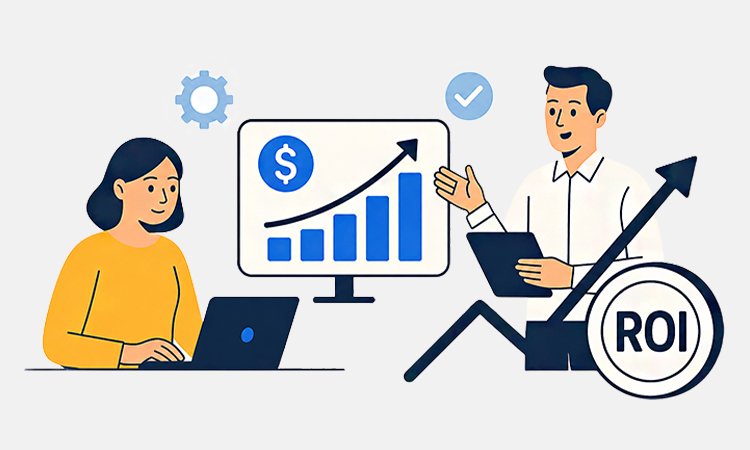
Attribution is crucial for measuring the effectiveness of your social media public relations campaigns. Without proper tracking, businesses will not be able to determine which of their campaigns is driving engagement, which platform is working best, which content is generating the most conversions, and which particular influencer is creating an impact.
Now, why does attribution matter in social media public relations? Let’s get into it.
Public relations is basically very difficult to measure. By integrating social media with PR, brands can gain more accurate insights into their campaign performance.
- Improves ROI and Business Impact
As we discussed above, PR is difficult to measure and often treated as a “soft” asset. Social media attribution can change this by allowing brands to track exactly which interactions, such as comments, shares, or influencer shoutouts, are leading to higher conversion rates, sales, or lead form submissions.
It measures the ROI of your message by shifting the conversation from “how much exposure we are getting” to “how much revenue we have generated.”
- Understanding the Customer Behaviour
Modern-day buyers rarely make a purchase after seeing one single post. Rather, they interact with your brand across multiple platforms, such as an Instagram Reel or Twitter announcement. Attribution models like multi-touch attribution assign values to these awareness and consideration stages.
This allows brands to identify exactly which piece of content encouraged the potential buyer and guided them down the funnel.
- Data-Driven Budget and Effective Resource Allocation
Having a clear understanding of attribution can eliminate guesswork and prevent wasted efforts of brands. By assessing data and discovering that LinkedIn posts are generating leads at a higher rate than Facebook updates, brands can reallocate their resources to focus on what works. It is immensely important to take out the subjectivity of campaign planning.
- Modifying Messaging and Content Strategy
Attribution is highly effective, as it not only informs brands where their audience is, but also what they respond to. By having a clear understanding of which PR narrative is actually driving specific user actions like downloads, clicks, or DMs, brands can tailor their future campaigns to meet unique audience preferences.
- Align Your Timing with Messaging

Timing plays a major role in the success of social media public relations. Even the best of campaigns can fail if launched at the wrong time.
So, brands must make sure that their messaging corresponds to the cultural context, the audience’s moods, and ongoing events.
- 4 Compelling Reasons Aligning Timing With Messaging Matters in Social Media PR?
- Higher Reach: Posting when your specific target audience is the most active can boost organic visibility before your content gets buried by algorithms.
- Context and Responsiveness: Brands must deliver news right when it aligns with ongoing cultural events, holidays, or the audience’s mindset to enhance action rates and message alignment.
- Risk Mitigation: Releasing sensitive or corrective PR campaigns during times of heightened emotions or controversy, such as during a groundbreaking news event, can make your message appear tone-deaf or opportunistic.
- Builds Momentum: Releasing information in a planned flow, such as teasing a product launch, announcing details, or follow-ups, can help brands nurture the interest of audiences and drive a consistent narrative rather than a temporary excitement.
- How Can Brands Ensure Their Timing Corresponds to Messaging?
- Use Data-Driven Scheduling
- Assess Platform Analytics: Brands should implement built-in analytics on platforms such as X, Meta, and LinkedIn to determine exactly when their target audience is the most active, rather than solely relying on generic “best time to post” advice.
- Keep Track of Audience Time Zones: For brands that operate globally, they should schedule their press releases by leveraging Later Social Media Scheduling or Sprout Social Timing Tool to make sure their messaging reaches different time zones successfully.
- Focus on Ongoing Trends
- Social Listening: Make sure to actively track trending hashtags, topics, and industry news by leveraging social listening tools such as Hootsuite Listening or Brandwatch.
- Respond Immediately: Brands must align their PR messaging with breaking news or cultural conversations as they happen. If brands can provide a relevant, timely viewpoint, there’s a high chance of their PR impact scaling drastically.
- Align with the Buyer’s Journey
- Awareness Phase (Morning): Consider scheduling broad, informative, and thought-leadership content when audiences are browsing casually.
- Consideration Phase (Mid Evening): In this phase, brands should schedule case studies, product announcements, and direct PR messaging for when audiences have the time to assess and make purchase decisions.
- Develop an Effective Content Calendar
- Proactive vs Reactive: To ensure successful social media PR campaigns, brands should maintain a consistent, evergreen content calendar for planned PR achievements such as new product launches. Make sure to leave 20% to 30% of your content calendar flexible so that you can incorporate real-time, reactive public relations messaging in times of relevant opportunities.
- Automate Your Campaigns: By leveraging tools like BufferCampaign Management, brands can automate the release of their message in order to ensure a consistent narrative over days or weeks.
- Develop Meaningful Connections With Influencers
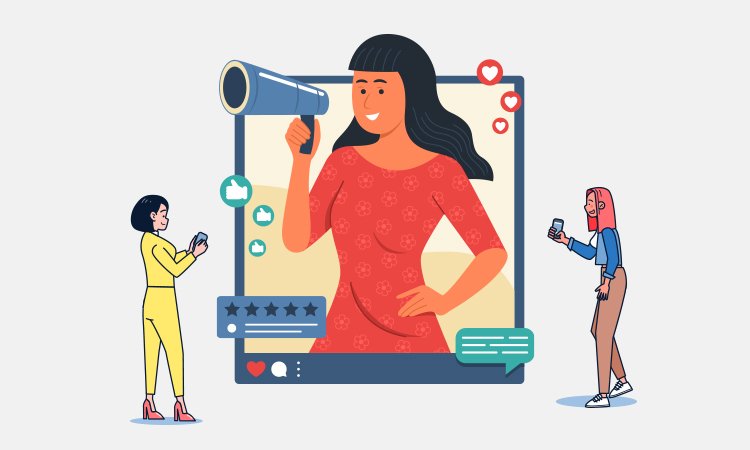
Influencers are vital drivers of effective social media public relations. Today’s customers trust a recommendation from their favourite influencers more than an advertisement.
By establishing genuine relationships with influencers or content creators, brands can maximize their reach and credibility.
- 4 Crucial Reasons Influencer Collaborations Matter for Social Media Public Relations
- Maximizes Brand Trust: Modern-day audiences are clever enough to spot scripted endorsements. Authentic partnerships depend on content creators who genuinely use and value your product. This directly turns their loyal followers into immediate advocates of your brand.
- Boosts Engagement: Content that shows the unique voice of a creator rather than scripted content naturally aligns with their community, leading to more comments, saves, and shares.
- Fosters Cultural Relevance: Influencers understand the unique preferences of their audiences. When brands give them the freedom to create engaging content that aligns with your brand and current trends, it can generate more online conversations.
- Higher ROI: PR campaigns that focus on long-term relationships and alignment of major values rather than follower counts can consistently yield better audience conversion rates and ROI.
- Key Strategies For Brands to Build Genuine Relationships with Influencers
#Strategy 1: Personalize Your Outreach Strategy
Rather than bombarding influencers with generic and copy-pasted emails, brands must put their time and efforts to understand the unique tone, content, and audience of an influencer. Consider taking reference from a specific post of theirs or clearly explain why their content aligns with your brand’s current campaign.
#Strategy 2: Provide Mutual Value
Offering mutual value to influencers is a vital strategy of social media PR. In order to build authentic relationships with influencers, brands must make sure to keep their compensation fair and perfectly aligned with their time, expertise, and size of audience. Go beyond momentary payment to offer mutual value through early product access, co-created products, exclusive event invitations, or cross-promotion to help the influencers grow their own reach.
#Strategy 3: Offer Creative Freedom
Influencers know their audience the best. So, rather than handing over a rigid script, brands should offer loose guidelines and let the influencer frame the content in their own authentic voice. This often leads to higher engagement rates and content that blends seamlessly into their feed.
#Strategy 4: Maintain Long-Term Partnerships
One-off posts often feel like boring advertisements. Rather, brands must turn the one-time partnership into a long-term ambassadorship, which can allow influencers to naturally integrate your product into their everyday lifestyle. This can build deeper trust and loyalty among their follower base.
#Strategy 5: Focus on Authenticity
Rather than prioritizing follower counts, businesses should focus on shared values and natural fits. Make sure to collaborate with creators who already use or would genuinely benefit from your products. When an influencer’s promotion feels transparent and natural, their audiences are much more attentive to the message.
- Leverage Social Listening Tools to Support PR Strategy
Although it is one of the most ignored strategies, social listening is vital for social media PR. This social media public relations strategy includes tracking online conversations, identifying online trends, understanding public sentiment, and monitoring mentions.
So, now the question is what social listening can actually reveal?
- Customer Expectation and Perceptions: Social listening reveals what they like, dislike, or need in their own words, helping with product improvements.
- Brand Reputation: Acts as an early warning system that can help identify PR crises or negative sentiment before they escalate.
- Competitor Activity: Offers a clear idea of major market gaps, competitor campaign performance, and key strategies to set your offerings apart.
- Industry Discussions and Trends: It can identify current hashtags, new topics, and conversation spikes so that brands can develop timely, relevant content.
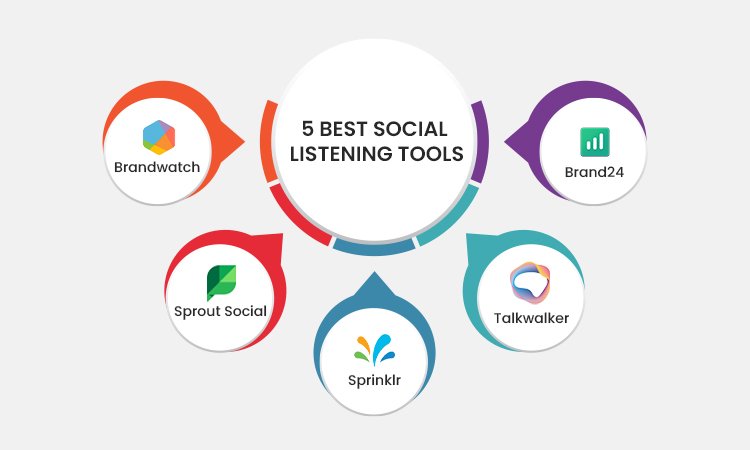
- 5 Best Social Listening Tools Businesses Can Invest In
- Brandwatch
This is the best tool for in-depth customer research and offers enterprise-level analytics. It leverages advanced Iris AI for effective sentiment analysis. Moreover, this tool has official access to data feeds from platforms like Reddit, X, and Tumblr.
- Sprout Social
Sprout Social is a great social listening tool for marketing teams that integrates publishing and listening workflows. This tool offers exceptional multi-platform monitoring, AI summarization, and features a unified inbox for replying directly to customers.
- Sprinklr
It is best suited for large enterprises looking for unified customer experience management. What sets this tool apart from other social listening tools is its ability to monitor over 30 social channels and hundreds of media sources, along with advanced AI clustering.
- Talkwalker
Best for marketers who prioritize visual listening and trend monitoring. Talkwalker features AI-driven visual analytics with specialized video and image recognition technology. Furthermore, it also offers advanced sentiment analysis across ChatGPT and other LLMs.
- Brand24
Brand24 specializes in offering real-time brand monitoring at an affordable price range. The major standout feature of this tool is that it offers instant alerts for sudden changes in mention volume and offers advanced, detailed sentiment analysis.
6 Common Mistakes of Social Media Public Relations that Brands Must Avoid
In 2026, social media pr can no longer be addressed as something that is “nice to have.” But it is a primary element in community building, risk management, and fostering brand credibility. So, here are 6 major mistakes of social media public relations that brands must watch out for:
- Poorly Managing Crisis Situations
Staying silent, deleting negative comments, or offering vague, inconsistent responses during a controversy is one of the major social media public relations mistakes that brands make.
Nowadays, on social media, fake news spreads faster than the truth and crisis situations can reach peak velocity within just a few minutes.
- How to Avoid The Mistake?
In order to avoid this mistake, brands must have a solid crisis management plan in hand, along with a crisis management team that includes HR, legal, and PR. By issuing a “holding statement” rule to immediately acknowledge concerns when investigating.
- Ignoring Awareness Building
Another major mistake people make when doing social media public relations is depending solely on social media to boost sales, missing the opportunity to establish a brand opportunity through educational or behind-the-scenes content.
Overly promotional content fades audience trust and fails to connect with customers, leading to lower engagement.
- How to Avoid The Mistake?
By leveraging a “balanced content strategy” that perfectly combines informative content, glimpses of behind-the-scenes, and human-centric stories, brands can foster loyalty among their customers.
- Not Considering Social Listening
Many brands make the mistake of posting content without thoroughly checking what is being discussed about the brand, competitors, and the industry. Missing major mentions and sentiment shifts can allow small issues to escalate into a full-blown crisis.
- How to Avoid The Mistake?
By tracking brand mentions, hashtag usage, and keywords by leveraging tools like Hootsuite, Talkwalker, or Google Alerts, brands can achieve qualitative and quantitative insights.
- Following an Overly Promotional Tone
Brands often use a voice that is purely commercial, which heavily lacks authenticity, empathy, and human connection. However, the audience these days demands transparency and authentic engagement, especially millennial customers.
- How to Avoid The Mistake?
Brands must make sure to keep their brand voice consistent, professional, and authentic across various social media channels, and avoid being “too polished”, which might appear artificial.
- Using The Same Content Across Various Platforms
Copy pasting the exact same content or images, or posts across platforms like LinkedIn, Instagram, or Facebook, is one of the major mistakes of social media public relations.
Audiences often expect different tones depending on the platform. A professional whitepaper will not perform well on Instagram, while a sarcastic meme might not be the best to be shared on LinkedIn.
- How to Avoid The Mistake?
By personalizing their content to specific platforms, brands can avoid this mistake. Focus on Instagram if you are willing to share short-form videos like Reels, while in the case of LinkedIn, consider using professional polls or text-based PR updates.
- Posting Tone-Deaf Content During Crisis
When doing social media public relations, brands must push automated sales pitches or playful marketing campaigns when the public is reacting to a local emergency or global crisis. Oftentimes, brands that fail to show empathy end up losing relevance and respect from their customers.
- How to Avoid The Mistake?
Brands must focus on thoroughly auditing their scheduled posts the moment a major crisis arises. During these situations, brands must pause all their automated campaigns and issue empathetic, authentic statements rather than promotional content.
Conclusion
To conclude, social media has transformed public relations from a slow, one-directional communication approach to an interactive, fast-paced, and highly visible strategy. Today, every brand interaction can shape public relations within seconds. Effective social media PR is no longer limited to posting updates or responding to comments.
Rather, it is about communicating strategically, managing reputation, collaborating with influencers, engaging with audiences, and analyzing emerging trends. Brands that are taking the initiative to integrate social media with public relations are witnessing better customer trust, long-term reputation, higher brand visibility, and increased brand loyalty.
So, if you are someone who is looking to integrate social media strategically with public relations but does not know how, we recommend you partner with a specialized public relations agency.
FAQs
Ans. To measure the return on investment of your social media public relations efforts, you need to calculate the financial value generated from your campaign minus your total costs, divided by your costs.
Ans. Brands can manage a social media crisis with effective PR by shifting their focus from reactive, tone-deaf responses to a more organized, empathetic, and unified response strategy. It includes pausing all automated campaigns, evaluating the severity of the issue, leveraging social listening to track real-time sentiment, and responding to crises quickly with an honest, valuable message.
Ans. For social media public relations, the most important metrics to measure are message amplification, public engagement, and brand perception instead of direct clicks. These KPIs are very effective for determining how the public perceives your brand and how effectively your PR campaigns are aligning in real-time.
Ans. AI is very important in social media public relations. It can help turn crisis management into sentiment tracking and effective content distribution. Rather than simply replacing human-developed strategy, it has the potential to automate manual data gathering, allowing PR teams to focus on effective storytelling and high-level relationship building.
Ans. By using AI in social media public relations, brands can develop effective content, monitor media perceptions, analyze sentiment, and personalize their outreach. It can help transform slow, manual PR tasks into effective, data-driven strategies.
