

The beauty and cosmetics industry is experiencing rapid growth and increasing competition. As more homegrown and international beauty brands compete to get the attention of their customers, the competition in this sector is getting fiercer. In this situation, simply having great products is not enough; brands need to build trust and credibility among their customers. This is exactly where beauty PR comes into play.
Effective public relations strategies can help beauty and cosmetic companies to maximize visibility, drive brand awareness, and increase sales, and consistently position their brands in front of their customers, leading to greater reach. In this blog, we will discuss what public relations is for beauty brands, why it matters, valuable PR tips, and more. So, let’s get started.
What is PR for Beauty Brands
Public reactions for beauty brands are the process of strategically managing the credibility, trust, and long-term brand loyalty of beauty brands. In comparison to paid advertising, public relations focuses on “earned” media.
As a beauty brand, you must have come across media coverage of your competitor’s beauty brands in reputable publications. Have you ever wondered how they got there? That is because they have leveraged effective beauty PR strategies.
This strategy includes compelling storytelling, getting press coverage, and building connections with relevant journalists and influencers to position your beauty products as essentials in the lives of your customers.
6 Compelling Reasons Beauty Brands Must Consider Public Relations
Now that you have a clear idea of what public relations is for beauty brands, let’s take a look at some of the benefits beauty companies can gain by investing in public relations:
- Builds Unparalleled Trust and Credibility
With so many beauty brands out there, customers often feel overwhelmed and skeptical. And running too many ads can make them even more skeptical to choose your brand. By incorporating effective skincare PR strategies, beauty businesses can get featured in top lifestyle magazines or endorsements by industry experts. They do this by securing third-party validation, such as editorial media coverage, positioning leaders as authoritative sources, and relying on consistent, authentic messaging.
In the beauty sector, securing an editorial mention in a recognized publication or having a dermatologist vouch for your beauty products often builds a deeper level of customer trust that no advertising billboards will be able to replicate.
- Safeguards Brand Reputation During a Crisis
Whether they involve ingredient-related concerns, social media backlash, or product recalls, the beauty sector is exposed to controversies like no other sector. By developing a well-planned crisis management strategy, PR professionals can respond with transparency and empathy to avoid major damage and retain customer loyalty.
- Humanizes Your Beauty Brand Through Engaging Storytelling
Customers in the beauty industry deeply connect with a brand’s values and the founder’s journey. Public relations allows beauty brands to develop meaningful narratives that correspond to audiences, whether that means showing the science behind your skincare or celebrating a wide range of beauty standards.
Effective storytelling can transform your beauty brand into a media entity, establishing long-term loyalty.
- Broadens Reach Through Influencer Collaborations
Public relations can successfully expand your brand’s conversational sphere. By partnering with hair stylists, celebrity makeup artists, or reputed social media creators, beauty brands can ensure their message reaches a more targeted, engaged audience.
- Helps Position Your Beauty Brand As a Leader
This is one of the biggest advantages of beauty PR. When your brand is mentioned in reputable publications on skincare trends, customer behaviour, and ingredient innovation, you are no longer just selling products. Public relations can build thought leadership, helping brands and founders take the lead in industry conversations, which can naturally win long-term buyer loyalty.
- Improves Organic SEO and Digital Visibility
Digital PR is highly associated with search engine optimization. When authoritative websites, digital magazines, and lifestyle blogs link back to your product pages, they usually pass on valuable search authority. This external validation can significantly improve your Google organic rankings as well as online discovery.
How to Do PR For Beauty Brands: 8 PR Tips That Will Help Build Customer Trust
With so many cosmetics and beauty brands available in the market, effective implementation of public relations for beauty brands can help them to stay ahead in the fierce competition.
So, here are 8 cosmetic brand PR tips and tricks that can help beauty brands foster customer support as well as help position their brand as a thought leader in the industry:
Tip 1: Invest in Crafting a Compelling Brand Narrative
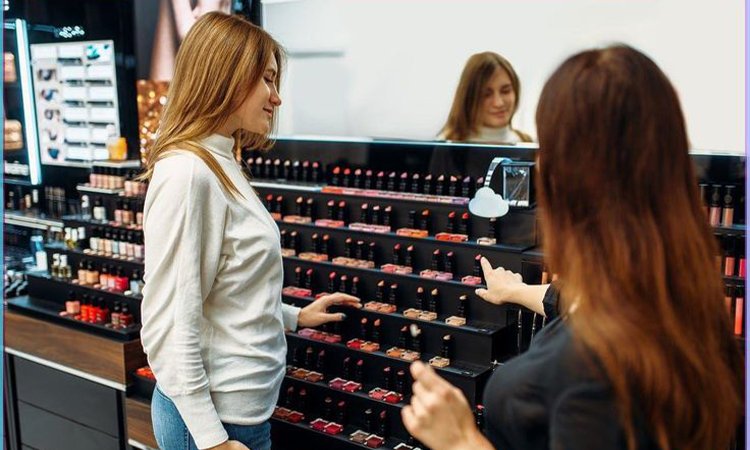
Authentic brand storytelling is a great tool that can help beauty brands create an emotional connection with their audience, building lasting trust and loyalty.
So, beauty experts must invest in shaping narratives that clearly reflect the genuine values and missions of your brand.
Your brand stories should not just be engaging, but they should also showcase the real experiences and honest accounts. When you leverage personal spaces to humanize your beauty brand, you can create bonds on deeper, emotional levels.
Here are some key strategies to develop an engaging brand narrative for your beauty brand:
- Place Customers At the Center
Rather than portraying your beauty brand as the hero of your story, present your customers as the main protagonist. Determine who they are, what they want to achieve, and the unique pain points that are preventing them from getting there.
- Clearly Define the Main Point of View
Beauty brands must have a clear idea of what sets them apart in the industry. When you are clear about it, it can get easier for you to define your mission as well as your brand values. This belief will fuel our entire narrative.
- Build the Stakes
Every good story requires a conflict. When developing a narrative for your beauty brand, make sure to mention the major challenges of the beauty industry. Clearly explain what happens when a customer does not consider your products or services, and contrast that with the positive transformation they will achieve if they choose you over other brands.
- Back Your Claims with Proofs
Anyone who has access to the Internet can make claims or post information online. However, trust can be built only through solid evidence. So, beauty experts must support their narrative with real-world proof points such as client testimonials, case studies, and data metrics.
- Stay Consistent
A story only works best if it is repeated consistently across various touchpoints. To ensure beauty PR success through engaging storytelling, beauty brands must consider a short, repeatable messaging template. Train your internal teams to make sure that your social media posts, website copy, and sales pitch perfectly align with this unified narrative.
Tip 2: Develop High-Quality, Valuable Press Releases
With 1 out of 4 businesses publishing more than 10 press releases every year, drafting high-quality press releases is one of the most important aspects of public relations.
Staying visible in the media landscape requires consistent communication with journalists as well as your audiences. Through press releases, beauty professionals can share major company updates, product launches, and impressive milestones.
- A Comprehensive Guide to Creating Valuable Press Releases
Step 1: Find a “Newsworthy” Hook
Beauty brands must ensure “why” anyone should care about their announcement. Your story must include one of the following major news values:
- Impact: Does it affect a large number of people or resolve a major problem?
- Timeliness: Is it associated with a current trend, breaking news, or seasonal event?
- Proximity: Does it matter to a specific local geographic group?
- Prominence: Does it involve any well-known personality or institutional achievement, such as executive changes or acquisitions?
Step 2: Develop an Engaging Headline
The headline of your press release is the first and only chance to grab a journalist’s attention.
Follow these tips when developing interactive headlines for your press release:
- Keep the headline short and snappy (less than 120 characters)
- Open your headline with an important concept rather than your company name.
- Leverage powerful action verbs like “reveal,” “unveil,” or “launch.”
Step 3: Write a Strong Opening
The first paragraph, or the lead paragraph, must be clear, brief, and to the point. Make sure it answers all the 5 W’s clearly (When, Where, Why, Who, What). As soon as journalists come across your press release, they scan for this information immediately. If your lead paragraph fails to hook the journalists right here, then your news is likely to get overlooked.
Step 4: Offer Supporting Details and Relevant Quotes
In the following body paragraphs, beauty brands must flesh out the story in descending order of importance. Here’s the structure they should follow:
- Incorporate facts, figures, and data to support your claims.
- Consider adding an insightful, relevant quote from a major stakeholder or industry expert to offer a human touch to your press release.
- Make sure to eliminate highly technical jargon so that even the common public can easily understand the story.
Step 5: Include a Strong Call-to-Action and Boilerplate
- Boilerplate: It is a short, one-paragraph summary of your beauty brand at the very bottom of the press release.
- Call-to-Action: In this action, beauty brands must clearly state what they want the reader to do next. For example, “Register for a webinar,” or “Contact Us Today!”
- Contact Information: A lot of businesses and organizations miss this section, but it is one of the most crucial parts of your press release. Beauty brands must include the name, email, and contact number of their media contact person.
- Add “###” in the End: End your press release with three hashes “###” centered on the line. This is the universal journalistic symbol that indicates the end of a press release.
Tip 3: Build Strategic Relationships With Media Professionals

Fostering meaningful connections with journalists and media outlets is a major aspect of beauty PR and is vital for building your brand’s credibility through effective media coverage.
When you reach out to and engage with the right reporters, it opens doors for effective storytelling that connects with your target audience.
- How To Get Started With Media Relationship Building?
- Research the Reporter: Beauty brands must avoid blasting journalists with emails. Read the recently published articles by the journalists you are trying to reach, or check their socials, such as X and LinkedIn, to identify their specific beat and writing pattern.
- Make Their Job Easier: Offer high-resolution images, relevant data, and direct access to credible experts or sources. The more you make it easier for them to meet deadlines, the more they will rely on you.
- Engage Before You Pitch: Before beauty brands plan on pitching a journalist, they must make sure to follow them on social media and engage with their content by liking, sharing, and leaving thoughtful comments. If you compliment a good piece of content developed by them, even if it does not generate immediate benefit, it will ignite genuine interest.
- Master the Art of Pitching: Brands must keep their pitches clear, short, and trustworthy. Avoid buzzwords or too demanding phrases like “exclusives” unless it is a genuine, agreed-upon offer.
- Follow Up Courteously: In case a journalist declines or ignores your pitch, you must respect their decision. Rather than bombarding their inboxes with emails or persistently calling them, offer them a different story angle for a future piece.
Tip 4: Practice Proactive Crisis Management

No brand is resistant to crises. The beauty sector is more exposed to crises than any other sector. So, effective crisis management in the beauty sector is non-negotiable. Whether it is a product recall or a social media controversy, the response time and tone matter more than anything.
Having a well-defined crisis communication strategy in hand with a well-trained spokesperson and core messaging is a must. Transparency and immediate action can turn an emerging crisis into an exceptional opportunity to highlight your brand’s reliability.
- A Step-By-Step Guide to Developing an Effective Crisis Management Plan for Beauty Brands
In the unpredictable beauty and cosmetic sector, beauty experts must be well prepared to navigate the crisis plan effectively, and for that, they need a crisis management strategy that actually works. So, here’s a detailed guide for developing a solid crisis management plan:
Step 1: Put Together Your Crisis Management Team
The first step to developing an effective crisis management plan is assembling a qualified crisis management team. Beauty brands must identify a dedicated team of leaders who will take control during crisis situations. This team must include cross-functional representatives from IT, HR, operations, executive leadership, legal, and, of course, public relations to ensure detailed supervision.
Step 2: Evaluate and Focus on Risks
Make sure to ideate and assess potential threats to the beauty sector, such as cyberattacks or interruptions in supply chains. By leveraging a risk register, beauty brands can mark every threat based on the probability and potential impact on the beauty brand.
Step 3: Set Up a Tiered Response Structure
Beauty and cosmetic brands must clearly define the resources, specific processes, and hierarchy to deal with the incident.
- You must build a primary and robust “Crisis Central,” which is a physical command center that is equipped with alternate phone lines and the Internet.
- Make sure to clearly list down your operational procedures in order to protect your physical property and employee well-being.
Step 4: Set Up Clear Communication Guidelines
A good crisis communication strategy is vital for ensuring the success of your beauty PR and guarantees consistent, authoritative, and transparent messaging.
- Audience Segregation: Beauty brands must clearly outline separate protocols for internal messaging to employees and external statements to their stakeholders, media, and the general public.
- Designated Spokespersons: You can appoint exact individuals who are authorized to speak to the public in order to prevent the spread of misinformation.
- Craft Message Templates: Make sure to develop message templates that can be distributed quickly during the initial hours of the event.
Step 5: Train Your Team and Test the Plan
To ensure a successful crisis communication plan, beauty brands must educate their staff on specific roles and safety procedures.
Make sure to conduct mock crisis exercises and drills to determine potential bottlenecks within your crisis communication strategy.
Step 6: Review, Refine, and Learn
Beauty companies and threats grow rapidly, so when developing a crisis management plan, you must make sure your plan stays relevant.
You must regularly audit your risk register and modify your protocols on the basis of new technologies, staff turnover, and lessons learned from previous crisis situations.
Tip 5: Create Long-Term Influencer Relationships
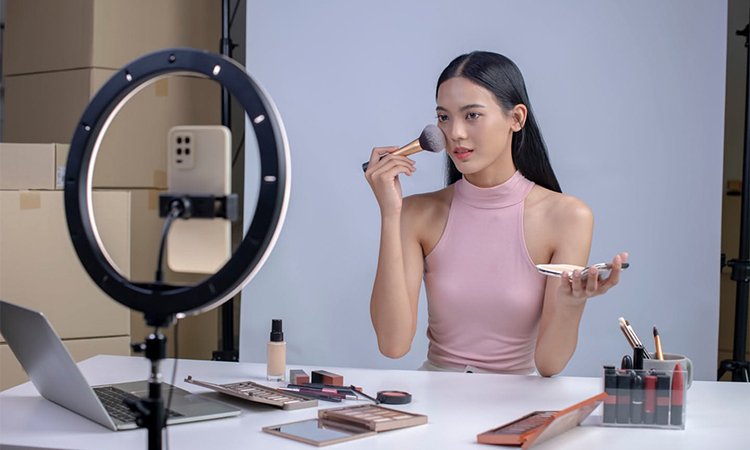
Do you know 86% of customers have made a purchase inspired by an influencer at least once a year? In today’s digital-first world, influencer marketing has become a vital asset for the success of PR campaigns. This is especially true in the beauty industry.
Beauty influencers or content creators with their trusted voice and a significant amount of followers can help beauty and cosmetic experts spread their brand message and engage wider audiences.
When incorporated with public relations strategies, influencers can help take campaigns to new heights.
- How Can Influencer Partnerships Elevate Beauty PR Campaigns?
- Establish Instant Trust and Authenticity
With so many beauty brands running shady ad campaigns, customers are becoming more and more skeptical. However, when their favourite influencers promote a product, they view it as a recommendation from a trusted friend.
When beauty content creators share their personal opinions or showcase how a particular beauty product fits into their daily routines, they offer valuable social proof that can help boost credibility.
- Drive Highly Impactful Product Demonstrations
Beauty is basically visual. To guarantee the success of your beauty PR campaign, influencers use short-form video platforms like TikTok, Instagram Reels, and YouTube Shorts to share engaging “before-and-after” tutorials and hands-on product demonstrations.
This type of content often compels potential customers to visualize the results and benefits of a specific product before making a purchase.
- Hyper-Targeted Audience Reach
Rather than casting a wide net, beauty brands can collaborate with specific tiers of influencers to target exact demographics.
- Macro Influencers: These types of influencers are ideal to achieve broader brand awareness and offer immense reach.
- Micro/Nano Influencers: They often have highly engaged, niche communities that often offer high conversion rates and stronger community connections at a comparatively lower cost.
- Consistent User-Generated Content
PR campaigns usually depend on static media placements. By sending experimental PR boxes or hosting exclusive product launches with influencers, beauty brands can generate a significant amount of organic user-generated content.
This content boosts your digital presence and helps your campaigns go viral.
- How Can Beauty Brands Collaborate With Relevant Influencers?
Beauty brands must consider the key strategies mentioned below when partnering with influencers:
Step 1: Identify and Pitch the Right Influencer
- Audience Alignment: When looking for partnering with influencers, the first thing beauty brands must consider is whose core values, skin type, and aesthetic match the aesthetic of their brand. By implementing tools like Upfluence or simply doing hashtag research, beauty experts can find micro influencers that have highly engaged communities.
- Review Past Works: Review the past posts of the influencers you are looking to consider and check whether they align with your products. Make sure to verify that they have not recently collaborated with any of your direct competitors.
Step 2: Offer Versatile Partnership Models
- Product Seeding: Sending PR packages to creators without a strict posting mandate is a great idea for establishing meaningful connections with beauty influencers. It can help generate unique, unpaid “word-of-mouth” feedback and User Generated Content (UGC).
- Paid Campaigns: Make sure to build clear, measurable Key Performance Indicators like clicks, conversions, and impressions.
- Affiliate and Commission Programs: Offer incentives to beauty content creators with a percentage of sales generated through custom promo codes or tracking links.
Step 3: Set Up Campaign Mechanics
- Giveaways and Takeovers: Beauty brands can drive instant engagement by hosting collaborative giveaways or allowing influencers to take control of your brand’s TikTok or Instagram for a day.
- Educational Content: Rather than focusing on creating generic content that everyone else is doing, beauty brands must go out of the box and focus on “how-to” tutorials and before-and-after transformations, which are crucial drivers for beauty sales.
- Creative Freedom: Provide a brief or a clear outline of your content; however, keep space for influencers to incorporate their unique ideas or voice into the content.
Step 4: Manage and Scale
i) Beauty and cosmetic companies can make use of Influencer Relationship Management and affiliate tracking platforms to monitor return on investment, successfully manage paying schedules, and evaluate real-time performance metrics.
ii) For successful beauty PR, brands must consider transforming high-performing, enthusiastic content creators into long-term brand advocates rather than one-off posts.
Tip 6: Focus on Positioning Your Beauty Brand As a Thought Leader
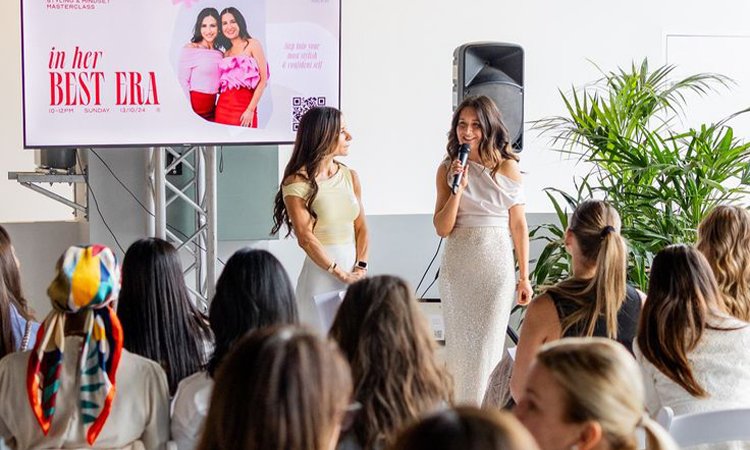
Having the best beauty products is not enough to gain the trust of your target audience; you need to position your founders and executives as thought leaders in the industry.
Now the question is, how can you do that? Well, delivering generic content surely won’t help. Beauty brands must rather focus on publishing high-quality, non-promotional content through earned, owned, and paid media channels in order to position themselves as go-to sources.
- 4 Major Reasons Thought Leadership Matters for Your PR Strategy
- Generates Earned Media and High Visibility: When the founders and key executives of your beauty brand are recognized as a significant industry voice, journalists and media outlets naturally reach out to them for guest articles, interviews, and podcasts. This can be highly effective for elevating your earned media footprint without relying solely on paid advertisements.
- Shapes Industry Perception: Thought leaders do not just react to the news; rather, they set the narrative. By sharing original research studies and innovative ideas, beauty brands can shape the perception of the public and determine where the industry is heading.
- Supports Business Growth and Lead Generation: Offering upfront, integrated value to your audience can help attract inbound interest. High-quality thought leadership can generate premium pricing and significantly boost the chances of winning references.
- Builds Credibility: Modern-day stakeholders and customers prioritize authentic, well-researched insights more than traditional marketing approaches or attractive advertising copy. This expertise creates immense opportunities for strong, long-term relationships and brand loyalty.
- How Can Beauty Brands Position Their Leaders As Trusted Authorities?
Step 1: Lead The Way With Transparency and Education
- Focus on Deep Dives: Beauty brands must focus on publishing content that breaks down complex skincare formulas into easily digestible concepts for audiences. For example, how skincare activities like peptides and niacinamide work. Founders should clearly explain the “Why” behind formulas. This will help showcase that you know about skincare, positioning you as a trusted source.
- Myth-Busting Content: Have the founders of your beauty and cosmetic brand address common skincare or makeup myths on short-form video platforms like YouTube Shorts or Instagram Reels.
- Authentic Storytelling: Rather than setting false narratives, beauty experts must focus on sharing the real, unfiltered journey behind the foundation of the brand, including early obstacles, formulation challenges, or the personal experiences that inspired the products.
Step 2: Create Long-Form Content
- Podcasts and YouTube Videos: By developing long YouTube videos or appearing on podcasts, beauty brands can share deep insights and expert opinions on industry trends, skin health, or sustainable sourcing. This can help build more authority than short, scripted soundbites.
- Founder-led Newsletters: Beauty companies can share email newsletters where the founders share their personal insights, long-term visions, and handpicked industry trends.
Step 3: Set Up Industry Authority
- B2B and Professional Networking: Make sure to encourage the founder of your beauty brand to share their valuable business insights and operational strategies on platforms like LinkedIn. By discussing the business of the beauty sector, such as the supply chain transparency, it can appeal to different audience segments.
- Podcast Panels and Tours: Podcasts are crucial assets of beauty PR and can be immensely helpful in building thought leadership. Beauty brands must pitch their founders as guests on relevant industry podcasts and speaker panels at beauty industry summits or beauty and wellness fairs.
Step 4: Develop an Engaged Community
- Interactive Q&As: Beauty and cosmetic companies must regularly host live sessions or AMAs (Ask Me Anything) so that they can directly answer common customer concerns and pain points.
- Two-Way Dialogue: Make sure to encourage your community to clearly voice their needs and involve them in early-stage product development feedback, executing the integrity of the founders.
Tip 7: Showcase Your Expertise With Case Studies

If you have great beauty products, but you cannot convey everything that your potential customers need to know without being salesy, then it’s high time you consider leveraging case studies.
Case studies do not just happen overnight; it takes a significant amount of time and effort to set them up, wait for results, and interview the individual, then reach out in order to gain the coverage.
Here are a few ways beauty brands can demonstrate expertise by leveraging case studies:
- Offers Solid Social Proof: While anyone can make false claims in order to run a great campaign, beauty brands must stay transparent. Case studies can validate all the claims you make with relevant data, such as better poll results, higher revenue, or an increase in engagement rates.
- Promoting Media Placements: Journalists and editors often look for genuine success stories. Providing them with a well-documented success story or case study gives the media solid examples of how your beauty products solve the real concerns of customers. For example, hyperpigmentation and acne.
- Supports Brand Values: Two of the major drivers of beauty PR are inclusivity and empowerment. Case studies that clearly outline how a beauty brand includes diverse skin tones, such as Fenty Beauty, or promotes body positivity act as a cultural statement, establishing in-depth, emotional brand loyalty.
- Step-By-Step Guide to Use Case Studies In Your PR Strategy
Step 1: Identify the Right Subject
Beauty brands must choose a relatable customer segment or influencer whose specific challenges perfectly reflect the pain points of your target audience.
- Focus on Relatable Personas: A case study that evidently features a busy working professional struggling with skincare or hair damage can resonate well.
- Collect Qualitative and Quantitative Data: Beauty companies must gather metrics such as an increase in hydration, reduced red patches over time, or fewer fine lines, besides using high-quality, real images for proof.
Step 2: Frame Your Beauty Case Study
Make sure to structure your case studies in a way that they tell a compelling story about transformation. Frame each narrative using the flow mentioned below:
- The Background: Beauty firms must briefly introduce the client or influencer featured in the case study and state their specific beauty concern.
- The Challenge: Clearly detail their skin and hair type and the struggles they faced before using your beauty product.
- The Solution: In this part, you must highlight the measurable data, such as percentages of improvements, besides clear, unfiltered, “before and after” photos.
- The Testimonial: After you have added the solution, you need to include authentic quotes from the client or influencer featured in the case study regarding how your beauty product worked for them.
Step 3: Enhance for Visual Impact
Visuals are crucial in the beauty sector. High-quality visual content heavily contributes to improving brand image and attracting customers. When developing a case study, beauty brands must break down text-heavy reports into visually attractive assets.
- Design With Tools: Beauty companies can design their case studies by leveraging personalized layout templates on platforms like Canva or Visme.
- Showcase Data: Make sure to use data widgets to develop clear graphics of trial metrics, and guarantee that your layout uses pull quotes for seamless reading.
Step 4: Incorporate Into Your PR Strategy
Once your case study is finalized, you must distribute your case study across various touchpoints to boost reach.
- Media Pitching: When pitching a media professional or news outlet that covers beauty topics, beauty brands must use their strongest case study in their press kit to provide proper proof of concept.
- Digital Platforms: Make sure to feature easily downloadable, interactive PDFs on the dedicated “Success Stories” page of your beauty website.
- Email Marketing: Beauty and cosmetic brands must segment email campaigns, sending specific case studies to subscribers who meet the featured demographic.
Tip 8: Stay Active on Social Media Platforms
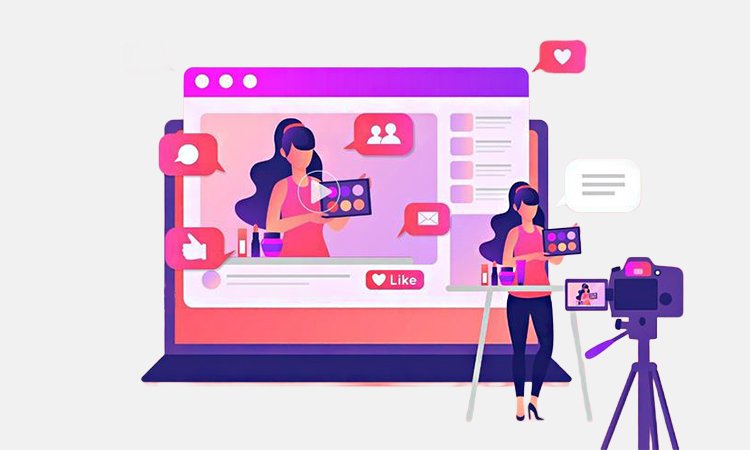
In the digital-first world, social media has become one of the most important assets for every individual. However, in order to use it effectively, beauty brands must be consistent and engaged.
- Key Reasons Social Media Plays a Major Role in Your PR Strategy
- Real-Time Crisis Management: Social media serves as an immediate channel for addressing major controversies, disregarding misinformation, and issuing transparent updates before someone else takes control of narratives.
- Direct Stakeholder Engagement: Beauty brands can humanize their voice, build a community, and establish long-term loyalty by engaging directly with followers and customers.
- Intensification of Earned Media: As a beauty brand, if you secure traditional press coverage, such as getting featured in recognized newspapers, you can leverage social media platforms to promote it in order to maximize the reach. This can help convert third-party validation into visible, highly shareable content.
- Audience Listening and Listicles: Beauty experts can make use of social media channels to closely track conversations, determine public sentiment, and understand what their target audience actually cares about the most.
- Allows to Take Direct Control of the Message: Rather than entirely depending on journalists or reporters to convey your message, you can take the initiative to share your official viewpoints, values, and company announcements solely on your own terms.
Measuring The Effectiveness of Your PR Campaigns: 5 Crucial Metrics To Track
A lot of beauty and cosmetic firms run beauty PR campaigns, but do not take the initiative to track their performance. But if you do not monitor your PR campaigns, you will not be able to figure out how effective your PR campaign is. So, here are a few metrics to keep an eye on to determine the effectiveness of PR campaigns:
- Media Coverage
This metric measures the volume of placements and the overall audience size that are exposed to your PR campaign.
This is one of the most crucial metrics to track, as it serves as a baseline indicator of your campaign’s visibility and shows how effectively your messaging has been picked up by the media.
- Sentiment Analysis
Sentiment analysis measures the tone of the coverage and online conversations, whether they are positive, negative, or neutral.
Simply getting talked about is just not enough. Sentiment analysis can help beauty brands ensure that their online reputation is actually improving and that their message is not falling flat or leading to a controversy.
- Share of Voice
By tracking share of voice, beauty brands can determine how much of the total industry or topic conversation their brand owns in comparison to their competitors.
Tracking this metric matters as it indicates the exact market presence of your beauty brand. A high SoV often indicates that your PR efforts are effective and your brand is standing out as a dominant player in the beauty and cosmetic industry.
- Website Referral Traffic
This metric offers a clear idea of the volume of visitors that are landing on your website directly from links in the earned media or press releases.
Beauty brands must positively measure their website referral traffic as it connects PR to digital performance. An increase in referral traffic proves that your PR mentions are driving measurable, active audience interest.
- Lead Generation and Conversions
It is the number of marketing-qualified leads, product sample requests, or sales that are directly associated with your PR activities.
Lead generation and conversions are the ultimate results. By tracking these numbers, beauty brands can fill the gaps between public relations and revenue.
5 Biggest PR Mistakes Beauty Brands Make and How to Avoid Them
Now that you have a clear idea of the benefits of public relations for beauty brands, as well as some of the most effective PR strategies, this section will discuss some of the major PR mistakes that beauty brands must watch out for:
- Inconsistent Brand Message
One of the biggest mistakes of beauty PR is inconsistent brand messaging across press releases, interviews, and media features.
- How to Avoid It?
Beauty brands must establish a strict brand style guide that successfully governs the tone, voice, and visual guidelines. From your brand packaging to your press releases, every customer touchpoint should clearly convey your beauty brand’s core values.
- Expecting Instant Results From PR Campaigns
Let’s face it, public relations does not yield instant results as advertising does. Expecting instant results from a single press release or an unpaid media placement is one of the major mistakes of PR in the beauty sector.
- How to Avoid It?
Beauty brands must start treating PR as a marathon and focus on establishing meaningful relationships with recognized beauty influencers and journalists rather than expecting immediate conversions. Consistent public relations efforts can build the brand authority that drives long-term sales.
- Poor Timing For Running PR Campaigns
Running PR campaigns at the wrong timing, like major breaking news, holidays, or when your target audiences are entirely disengaged, your pitches and press releases get completely buried and ignored.
- How to Avoid It?
Beauty brands must ensure their cultural conversation, seasonal hook, and outreach align with the latest industry trends. Preparing an editorial calendar that tracks major events can be a great idea. Make sure you give journalists enough time to study your news rather than rushing your announcements at the last minute.
- Sending Pitches Only to Top-Tier Media
Focusing solely on major, highly authoritative publications like Forbes and the New York Times often results in emails being ignored. Journalists at big media outlets receive hundreds of stories every day. This makes it heavily competitive and difficult for your pitch to stand out unless you have a truly groundbreaking story.
- How to Avoid It?
In order to avoid this mistake, beauty and cosmetic brands must develop and implement a tiered media strategy. Target local newspapers, specialized industry blogs, and niche trade publications that often have a comparatively more engaged, targeted audience that is most likely to convert into loyal customers.
By building close connections with smaller media outlets, beauty companies can build a strong foundation that can eventually lead to top-tier coverage.
- Running Campaigns Without a Clear Strategy
Remember, running without a well-defined strategy is similar to shooting an arrow without a clear aim. Diving into public relations without proper objectives or a target audience means your coverage is likely to be scattered, making it almost impossible to measure. Without a roadmap, you will have no way of knowing whether your efforts are driving actual business growth, brand awareness, or website traffic.
- How to Avoid It?
Before you start writing a pitch, you must make sure to define your unique goals, such as launching a new product or service, building thought leadership, or effectively managing a crisis. Beauty brands must clearly define key performance indicators (KPIs), understand their exact target audience, and develop core messaging that successfully addresses their specific pain points.
Conclusion
To conclude, positioning a beauty brand for credibility can be challenging, given the fierce competition in the beauty sector, where everyone is vying for the limelight. To ensure the success of your beauty PR campaign, you need a clear, in-depth understanding of the media landscape, a robust connection with recognized beauty influencers, and a well-planned approach to storytelling.
By implementing the effective PR strategies mentioned above, beauty experts can not only build brand trust but also shape public perception and navigate crises successfully. PR, when done right, can help earn organic visibility through authentic media relationships, establishing core credibility that supports long-term growth and attracts investors. In case you are finding all of this a little too overwhelming, you can consider partnering with an established PR agency to help you navigate the process smoothly.
FAQs
Ans. Crafting a good PR strategy for a beauty brand requires a combination of engaging storytelling, authentic influencer collaboration, and strategic media relations. To stay ahead of the competition, beauty brands must focus on community building, customer education, and aligning their products with a well-defined, resonant mission.
Ans. For small-scale beauty companies, the most effective public relations strategies focus on establishing high-impact credibility through authentic storytelling, targeted media outreach, and targeted media outreach, and collaborating with beauty influencers.
Ans. Beauty brands can create PR lists by evaluating creators on specific, data-driven criteria rather than just considering their follower count.
Ans. Yes, securing media coverage for a beauty brand through PR is possible. It is one of the most effective ways to establish credibility.
Ans. Beauty PR has evolved from simple promotional campaigns to educational, data-backed, engaging storytelling, influencer-led PR campaigns, and building meaningful media relationships.
