Public relations is revolutionizing how renewable energy brands are conveying their brand value and building trust. Strategic public relations is the fuel that drives renewable energy companies towards success. By leveraging effective renewable energy PR strategies, cleantech companies and renewable energy brands can build credibility, shape unique narratives, and stay ahead of conversations that are leading the market.
Instead of simply promoting their services, modern-day renewable energy brands leverage community engagement, data-backed narratives, and transparent storytelling to translate complex clean-tech information into relatable, easily digestible concepts.
This blog will discuss what public relations is for renewable energy companies, major reasons to invest in PR, effective strategies to grow clean energy brands with PR, and more. So, let’s get started.
What is Renewable Energy PR?
In simple words, public relations for renewable energy brands is the proactive communication and reputation management process that is leveraged by cleantech and green energy companies to earn media coverage, build brand awareness, and foster trust among stakeholders. The main aim of public relations is to bridge the major gap between complex green technology and the investors, the public, and key policymakers.
When PR is personalized specifically for the renewable energy sector and based on technologies and policies, clean energy brands can take advantage of the creative narratives backed by credibility and social proof. By integrating compelling, niche-specific storytelling with technical data-backed proof, renewable energy companies can establish a sustainable industry authority rather than simply achieving a one-time coverage that doesn’t have a lasting impact.
6 Major Reasons Clean Energy Brands Should Do Public Relations
Now that you have a clear idea of renewable energy PR, let’s take a quick look at some of the major advantages of seeking public relations services:
- Mitigate Emerging Crises
The renewable energy sector often faces intense regulatory and public scrutiny. A dynamic public relations strategy can help build a bank of goodwill, allowing cleantech companies to respond clearly and authoritatively in cases of supply chain disruptions, industrial incidents, or online controversies.
- Drives Talent Acquisition and Investment
Top-tier talent and capital often look for purpose-driven, stable companies. By highlighting financial viability, green initiatives, and ESG impact, renewable energy companies can ensure long-term reliability not only to investors but also for mission-driven professionals.
- Helps Gain Public Support for Projects and Policy
Local infrastructure and modifications in policies often require social acceptance. By leveraging PR strategically, cleantech brands can break down complicated and overly technical jargon into relatable community benefits such as cleaner air and job opportunities. This immensely reduces opposition from locals, speeding up project approvals.
- Builds Thought Leadership
Renewable energy and cleantech brands often require proper education to drive adoption. Through effective thought leadership campaigns such as executive op-eds, whitepapers, and panel discussions, public relations can help clean energy brands position their company leaders as subject matter experts to shape the future of the renewable energy industry.
- Controls the Industry Narrative
The competition in the renewable energy landscape is becoming fiercer with time. Renewable energy PR supports cleantech companies to actively define their unique position in the market, bust common myths, and showcase their technology on their own terms instead of reacting defensively to competitor marketing and media speculation.
- Fosters Unmatched Trust and Credibility
In the green sector, investors and customers prefer transparency over everything. In contrast to paid advertising, third-party earned media, such as reviews, articles, and updates, offer effective third-party validation and data-backed storytelling that is crucial for establishing solid customer trust.
Step-by-Step Guide to Grow Your Brand With Renewable Energy PR
Renewable energy is far more than a way to minimize greenhouse gas emissions and deal with rapid climate change, but it is also a great source of innovation and offers immense opportunities for economic growth.
However, a lot of people are still unaware of this fact and have a lot of misconceptions regarding renewable energy brands. “Renewable brands are not reliable”, “Renewable tech causes more damage than good”- these are some of the common misconceptions that still surface about renewable energy brands. By incorporating effective PR strategies, clean energy experts can not only promote their brand but also influence public opinion:
Step 1: Define Your Audience and Niche

If you are looking to develop a successful PR strategy, the first question you need to ask yourself is: Who am I trying to reach? Even the best PR campaigns fail if they target the wrong audience. For renewable energy companies, understanding the right audience is especially important as it serves a diverse range of stakeholders. From businesses and homeowners to investors and environmental organizations.
So here are a few ways renewable energy companies can understand their ideal audience:
- Clearly Define Your Ideal Customer Profile
The very first step is to define who your ideal customers are and what matters the most to them. Different renewable energy brands target different market segments, so audiences will heavily depend on the solutions you offer.
For example, if you own a residential solar company, your target audience is likely homeowners who are looking to minimize their electricity costs and implement sustainable living options. On the other hand, if you are a renewable technology brand, then you might want to target developers, utility companies, government agencies, and infrastructure brands.
Here are some common questions to ask yourself:
- Who is benefiting the most from our solutions?
- Which industries need our services the most?
- What business sizes do we usually serve?
- What are the major challenges our customers are facing?
- Categorize Your Audiences Into Major Stakeholder Groups
Renewable energy companies do not communicate with just one audience. Instead, they have to engage multiple stakeholders, each with different needs, expectations, and priorities.
Common audience segments of a renewable energy firm include:
- Local Communities and Landowners:
Property owners or local communities often look for direct economic benefits such as local job creation, land lease income, community fund investments, and environmental protection.
Your PR content for this specific audience segment should focus on affordability, education, and authentic success stories.
- Government Agencies
Major government agencies usually prioritizes fulfilling net-zero carbon goals, funding opportunities, grid reliability and resilience.
When developing a renewable energy PR campaign to target these audiences, make sure to shift your focus to carbon reduction, job opportunities, infrastructure improvements, economic advancements, and national sustainability objectives.
- Environmental NGOs
They often focus on topics such as mitigating climate change, protecting ecosystems, and managing biodiversity.
Renewable energy companies should ensure that developers strictly comply with environmental regulations and limit the ecological impact of infrastructure.
- Financial Organizations and Investors
Investors ideally want confidence in whether your renewable energy company has strong growth potential or not. So they often prioritize reliable return on capital, anticipated long-term revenue, and a strict alignment with the ESG (Environmental, Social, and Governance) portfolio.
- Identify Their Pain Points
Successful PR efforts do not simply mean promoting products or services; rather, it focuses on solving problems. So, renewable energy brands should focus on identifying the major challenges that their target audiences face.
- Some of the major concerns of businesses are:
- Carbon reduction targets
- Increasing energy costs
- Sustainability reporting
- Residential customers might worry about:
- Installation prices
- Return on investment
- Reliability of products
- System maintenance
Addressing these concerns directly in your media pitches, interviews, and blog posts is likely to make your renewable energy PR efforts more effective.
- Evaluate Existing Customers
Your current customers are your biggest advocates, making them one of the most valuable sources of audience insights.
- Make sure to thoroughly review your customer database to determine patterns such as:
- Project budgets
- Frequently requested solutions
- Common business challenges
- Industry sectors
- Company sizes
- Clean energy brands can interview satisfied clients to identify:
- Why did they choose your brand over others?
- What problems do they want to be solved?
- What influenced their decision?
- Which communication channel did they trust?
- Develop Comprehensive Buyer Personas
A detailed buyer persona can help renewable energy companies transform wide audience categories into practical customer profiles.
Every buyer persona must include the following:
- Occupation and job title
- Industry
- Major pain points/ concerns
- Business objectives
- Preferred communication channels
- Reason to buy or seek a service
- Decision-making process
- Common challenges
By creating multiple personas, cleantech companies can craft renewable energy PR messages that perfectly resonate with their audiences.
- Determine Where Your Audiences Consume Information From
Having a clear understanding of what to say is not even half of the equation; you should also know where your audiences spend most of their time.
Here are some of the key channels that renewable energy businesses should focus on:
- Renewable energy podcasts
- YouTube
- Business Magazines
- Environmental newsletters
- Webinars
- News websites
- Blogs that cover topics on sustainability
- Trade associations
For example, corporate firms are more likely to interact better with valuable thought leadership articles on LinkedIn, while landowners may have a better response to informative videos, community events, and local news stories.
- Leverage Relevant Data and Insights to Modify Your Strategy
Audience identification is not a one-time practice; it is an ongoing process.
By implementing analytical tools, renewable energy companies should measure insights such as social media performance, lead conversions, email engagement rates, search trends, and most-read blog articles.
These valuable data help determine which audience segments are interacting with your content and where it is crucial to make necessary modifications. This ensures improved renewable energy PR campaigns in the future.
Step 2: Craft a Compelling Story

Renewable energy is not just an industry; it is a movement towards a sustainable future. In the modern day, having the best products, services, or technology is not enough to gain the attention of the public.
Nowadays, people are more likely to connect with stories rather than statements. This makes crafting a brand narrative a very important aspect when developing a PR strategy.
Amid the intense competition, a powerful brand story can help renewable energy companies to stand out from the others. Whether you are a brand offering wind energy planning or solar services, your audience should have a clear idea of why your company exists, what impact it creates, and why they should trust you.
So, renewable energy practices should make sure to answer questions like:
- When was your renewable energy company founded?
- What environmental problems do you focus on and are trying to solve?
- What keeps your team going?
- How have you helped businesses or organizations shift to clean energy alternatives?
- What is the core mission of your organization?
Instead of showcasing your technical capabilities, you should highlight how your work has impacted humans and the planet in your stories. For example, rather than stating “Our company has reduced electricity costs up to 30%,” briefly and clearly explain how your solutions have helped a manufacturing company minimize its operating costs while significantly reducing its carbon footprint.
- How Can Renewable Energy Brands Craft Compelling Stories?
- Start with a Purpose
One of the major factors to keep in mind when developing your brand’s story is to have a purpose. Modern-day investors, customers, and media professionals are more attracted to organizations that have a solid mission. Clearly convey the sole purpose behind the foundation of your renewable energy company. Explain how your company has actively contributed to combating climate change or encouraged businesses across various sectors to adopt sustainable options.
- Leverage Customer Success Stories
These are among the most powerful storytelling assets. Nothing can beat the effectiveness of sharing a real-life example of where you have delivered measurable results.
When using success stories for storytelling, renewable energy brands should include details such as:
- The main challenge the client was facing
- The renewable energy solution you offered
- Measurable outcomes delivered
- How was it impactful for the environment
- Financial savings
- Customer testimonials
Including real-life examples in your stories can make your expertise two times more valuable.
- Humanize Your Renewable Energy Brand
In order to humanize your stories, you must introduce your founders, engineers, project managers, and sustainability consultants. Consider sharing engaging behind-the-scenes content that highlights how your people are working together to build a greener future.
Human-centric stories boost the chances of creating emotional connections that professional corporate messaging often fails to achieve.
- Align Your Stories With Global Sustainability Goals
Renewable energy companies should involve themselves in broader environment-related conversations. Clearly explain how your work contributes to reducing carbon emissions, energy transitions, adoption of renewable energy, or ESG initiatives. This will make your story more relatable to journalists, investors, and decision-makers.
- Maintain Consistency Across Various Channels
Make sure your story is conveying the same message across every channel. Be it your website, social media, press releases, or even conference presentations. Consistent messaging not only strengthens brand recognition but also helps build credibility.
Step 3: Leverage Thought Leadership

Effective renewable energy PR is not just about gaining publicity, but it is also about becoming an authoritative source that media professionals, industry peers, and customers can rely on.
By leveraging thought leadership, renewable energy brands can position themselves as experts who do not just follow industry trends but create them.
Imagine an environmental journalist is looking to cover a story or news on the latest solar energy updates, or a business seeking information on decarbonization; your brand should be the first name to pop up in their mind.
But how can renewable energy brands establish thought leadership? Here are a few steps to follow:
- Publish Informative Content
Rather than simply creating content to promote your renewable energy solutions, develop and publish content that genuinely educates your audience.
Here are a few types of educational content that renewable energy companies can create:
- Whitepapers
- Industry future trends
- Trending reports on renewable energy
- Content explaining clean energy policies in simple words
- Comprehensive guides on ESG implementation
- Valuable insights on investing in solar energy solutions
- Informative studies on the scalability of wind energy
Educational resources can not just educate your audiences but also showcase your expertise while organically attracting high-quality backlinks, business inquiries, and media mentions.
- Develop Guest Articles
Contribute high-impact articles to top-tier sustainability publications, business websites, and renewable energy magazines.
Rather than focusing on promotional content, renewable energy practices must include real-world insights such as:
- Implementation of net-zero strategies
- Future of distributed solar solutions
- Incorporation of AI in energy management
- Green hydrogen opportunities
- Grid modernization
By getting your articles featured in these publications, renewable energy brands can boost their visibility among decision-makers.
- Establish a Strong Presence on LinkedIn
Over time, LinkedIn is becoming one of the most influential platforms for establishing B2B thought leadership.
By sharing project updates, meaningful opinions on the renewable energy industry, brief educational videos, helpful tips on sustainability, and market insights, clean energy brands can establish a powerful LinkedIn presence.
However, it is important to stay consistent. Consistency matters more than frequency. Publishing valuable insight regularly on LinkedIn can help build trust over time.
- Use Authentic Research
Publishing original research is a vital component when it comes to effective renewable energy PR. Reputed industry publications and journalists prefer original and proprietary data over anything else. So, renewable energy brands should focus on conducting relevant surveys by covering topics like:
- Adoption trends of renewable energy
- Major challenges in implementing solar services
- Priorities in corporate sustainability
- Effectiveness of energy investments
- Consumer thoughts on green technology
Publishing exclusive data can drastically enhance the chances of earning media coverage.
Step 4: Speak at Key Industry Events and Secure Media Features

Public speaking and media exposure are two of the greatest factors for building authority and maximizing brand visibility.
Each presence in media interviews or press conferences can strengthen your position as an expert in the renewable energy sector while exposing your company to a wider group of potential clients, investors, and partners.
Here’s how cleantech companies build authority by speaking at key events and securing influential media coverage:
- Identify High-Impact Industry Events
The very first step to building authority through industry events is to identify the right one for you. So, renewable energy companies should target conferences that are likely to attract their ideal audience.
Some of the key industry events that renewable energy brands can consider are:
- Sustainability summits
- Exhibitions on solar and wind energy
- Renewable energy expos
- Corporate sustainability events
- Green technology forums
- Relevant ESG conferences
Rather than attending these events as participants, renewable energy companies should apply for becoming panelists or speakers.
- Develop Effective Presentations
Presentations go a long way to build authority and credibility. Instead of wasting your time on crafting sales pitches, clean energy companies should deliver genuinely valuable, realistic insights.
For effective renewable energy PR, brands can consider creating educational presentations on corporate net-zero roadmaps, emerging policy opportunities, important lessons learned from large-scale solar projects, or future energy trends.
Audiences are likely to remember engaging and informative presentations better than promotional ones.
- Outline Media-Friendly Talking Points
Journalists and media professionals often attend conferences to look for expert opinions. Renewable energy brands should prepare clear and brief statements on trending topics such as emerging environmental problems.
Remember, powerful messages can increase the likelihood of being quoted in top-tier publications.
- Craft PR Around All of Your Speaking Engagements
Do not let your presentation stop when you leave the stage. Rather, sustainability companies should repurpose it into press releases, short video clips, podcasts, LinkedIn articles, YouTube Videos, and company blog posts. A single core presentation can generate valuable PR content for weeks.
Step 5: Establish Powerful Relationships with Environmental Journalists

As we all know, one of the major aspects of renewable energy PR is media relations building. Journalists and media outlets play a major role in building authority and brand credibility for renewable energy firms.
According to Cision’s report, which surveyed over 2,000 journalists worldwide, the majority of them said that they receive more than 50 pitches a week.
With journalists receiving this many pitches regularly on very similar topics, standing out is vital if you want to achieve high-quality media coverage.
By building valuable relationships with editors and reporters who cover stories on sustainability, environment, energy, business, and technology, renewable energy services can ensure consistent media coverage. Now the question arises, how is it possible to establish relationships with journalists amid the high competition? So, here’s how:
- Research the Right Journalist
In order to build meaningful relationships with journalists, you need to provide the exact type of content they are looking to cover. If a journalist covers topics on movies and entertainment, there’s no point in sending them sustainability tips.
Having a clear understanding of what a journalist writes about before pitching them often signifies that you respect their work. Sending irrelevant pitches constantly might not only get them ignored but also leave a negative impression in the minds of the journalists.
This is why research is crucial. Here are a few questions to ask to determine whether you should pitch to a journalist or not:
- When was the last time they published an article? If it were a year ago, they might not work at the publication anymore.
- What topics do they cover?
- Who is the core audience of the publication?
- Has the topic you are writing about been covered by them recently?
- Do I have solid data or proof to back the claims I made in the story?
- Is the publication they write a good fit for your brand?
- Personalize Every Pitch
Tailoring your pitches when sending them out to journalists is one of the most important practices of effective renewable energy PR. Rather than sending mass emails, clean energy brands should consider referencing the journalists’ past work and clearly explaining why their story is relevant to the journalists’ audience base.
Instead of developing a generic pitch that goes like “Our company X launched a new solar service”
Try “Your recent article on commercial solar adoption clearly highlighted financial challenges. We have conducted a study showcasing how SMEs are overcoming these challenges.”
Remember, the more relevant the pitch, the higher the chances of getting a response.
- Become a Go-To Expert
When writing stories, journalists often seek insights or opinions from authoritative sources such as industry leaders and experts. If you showcase that you bring the deepest expertise and are the most qualified person to speak on a specific topic, journalists are likely to turn to you to seek expert commentary whenever they are writing on the topic.
Renewable energy companies should respond quickly when they request industry data, market trends, expert quotes, and technical clarifications. Quick and accurate responses often increase the possibility of getting future media requests.
- Offer Valuable Personal Insights
In order to establish meaningful relationships with journalists for renewable energy PR, journalists must offer their personal insights. Exclusive stories are great for generating stronger media relationships. By offering perspectives on the changing renewable energy landscape, emerging trends, and the introduction of new technologies, cleantech companies can secure high-quality media coverage. Journalists often appreciate exclusive data and opinions that their competitors do not possess.
- Establish Relationships Beyond Sending Press Releases
Reaching out to journalists only when you have an announcement to make can lead to straining media relationships.
Renewable energy brands should maintain consistency by commenting thoughtfully on their articles, sharing their work on LinkedIn, offering valuable insights without expecting immediate coverage, and congratulating them on their achievements.
Strong relationships are established through ongoing interactions and not just by reaching out only when you need publicity.
Step 6: Collaborate With Greenfluencers

Do you know that 36% of marketers think influencer content outperforms brand-created content on social media? By partnering with greenfluencers, renewable energy brands can simplify complex concepts on green technologies, elevate authoritative brand narratives, and influence eco-conscious customer behaviour.
Eco-friendly social media creators can fill the gap between technical innovation and everyday living, making sustainability highly accessible.
- How Can Renewable Energy Companies Partner With Influencers to Elevate Brand Authority?
Influencers have become a primary source for brands to connect with their target audiences organically.
For sustainable companies, it is two times more advantageous. Why? Because influencers do not just sell products, but rather promote a specific lifestyle and mindset, showcasing a strong commitment towards the planet.
So, in this section, we will discuss a few effective ways sustainable brands can collaborate with environmental influencers:
- Focus on Originality and Education
Customers often link green claims with corporate marketing. When the same claim is being made by their favourite influencers, they are likely to trust it.
- Highlight the “Why”: Renewable energy companies must collaborate with creators to showcase the real-world impact of their energy solutions. For example, consider emphasizing points like carbon offset metrics or long-term financial savings.
- Transparency is the Key: Make sure all the influencers have actual experiences with your products, i. e., they have actually used your products or services and loved them. Have them share their honest feedback and genuine results to mitigate the possibility of getting accused of making misleading claims.
- Personalize Your Outreach Based on Platform
By aligning your renewable energy PR messaging with the right content format, you can reach specific audience segments successfully.
- LinkedIn: This platform is the best for B2B renewable services, smart meter rollouts, or policy discussions with investors, sustainability advocates, and industry leaders.
- YouTube: It is ideal for sharing in-depth product or service discussions, renewable energy efficiency breakdowns, and comprehensive walkthroughs on installations.
- TikTok and Instagram: These two platforms are great for short, engaging visual storytelling that clearly demonstrates how your products or services seamlessly blend into eco-conscious daily routines.
- Select Value-Driven Collaboration Models
One-time transactional posts often yield poor conversions. Rather, cleantech brands should focus on establishing long-term partnerships through the following strategies.
- Cause Marketing: Partner with influencers or execute campaigns such as planting trees, supporting ethical labor, or funding environmental cleanups for every sold product.
- Brand Ambassadorship: Consider shifting top-performing content creators to official ambassadorship programs. They can host Q&As, moderate sustainability panels, and act as primary focus groups for future product updates.
- Co-Create: Invite influencers to help craft limited-edition products or co-brand educational materials like webinars and eBooks. This can help portray both the influencer and the renewable energy brand as subject matter experts.
- Leverage the Right Tools
Leverage influencer PR software to measure ROI, conversion, and engagement rates rather than solely relying on vanity metrics like follower count.
- Exploring Influencers: Leverage tools like BuzzSumo or Modash to pitch creators and ensure their audiences align with their exact target market.
- Management: Simplify your campaigns, track deliverables, and manage content approvals by using platforms like Collabstr.
Step 7: Ace Community Engagement with CSR Initiatives
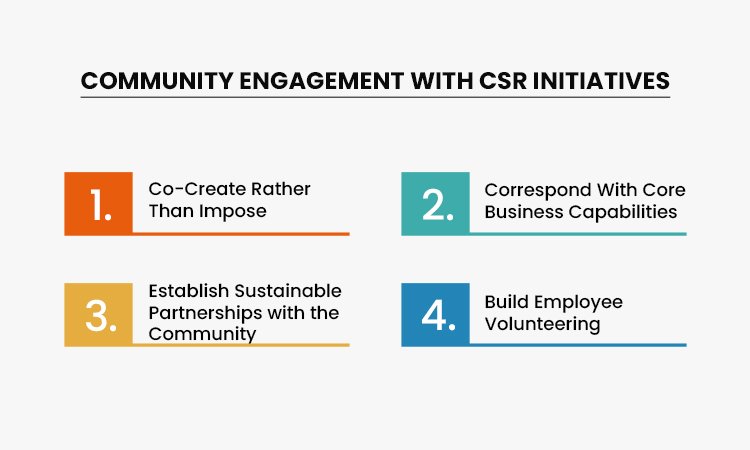
Community engagement has evolved as one of the major pillars of successful renewable energy PR. In the modern day, when renewable energy companies are striving to connect with their audiences, establishing meaningful relationships within local communities has become increasingly important.
- 4 Major Strategies for Effective Community Engagement by Leveraging CSR Initiatives
- Co-Create Rather Than Impose
- Renewable energy companies should engage community leaders and local stakeholders before finalizing any plan. Give them the freedom to share valuable initiatives right from the beginning rather than simply approving finished projects.
- By encouraging residents to manage and execute programs, renewable energy sources can make them feel included in the outcome. This ensures long-term social sustainability throughout the entire lifecycle of your project operations.
- Correspond With Core Business Capabilities
- CSR initiatives are highly impactful when they reflect the industry, expertise, and resources of an organization. For example, cleantech companies can offer comprehensive sustainability programs, while manufacturing companies can lead to the development of an infrastructure.
- To ensure effective renewable energy PR efforts, consider expanding your company’s professional services, such as consulting, operations, and energy sales, to non-profits to elevate their capacity.
- Establish Sustainable Partnerships with the Community
- By partnering with reputed NGOs, government agencies, and community-driven organizations to address specific and complex community needs.
- Renewable energy companies should optimize their resource utilization by sharing company spaces, knowledge, and equipment to extend to local communities.
- Build Employee Volunteering
- As a sustainable brand, you should encourage active employee participation through paid volunteer days, workplace giving campaigns, or skill-based tracking.
- Engaging staff or employees in community-centric initiatives often excites teams, reinforcing their organizational culture as this practice links their work to a broader purpose.
How Can Renewable Energy Brands Measure the Effectiveness of Their PR Campaigns?
A successful PR campaign is not just about earning high-quality media coverage, but it is also about reinforcing brand reputation, enhancing visibility, generating leads, and contributing to business growth.
By monitoring relevant performance metrics, clean energy companies can determine what exactly is working and what is not, modify future campaigns, and showcase the return on investment of their PR efforts. Here are 6 major PR metrics that renewable energy companies must track:
- Media Monitoring
Media monitoring offers valuable insights on where and how often your renewable energy brand is getting mentioned across magazines, radio, podcasts, online publications, and blogs. This metric helps brands to determine the quality and volume of their media coverage that is generated by their PR campaigns.
When measuring media mentions, renewable energy brands must focus on:
- Number of media placements secured
- Authority and quality of the publications
- Mentions in sustainable or renewable energy publications
- Amount of spokesperson quotes and core message inclusion
- Noticeability of your renewable energy brand within the article.
- Share of Voice
This is one of the most crucial renewable energy PR metrics that measures how much of the industry’s media conversation surrounds your brand compared to your competitors. Share of Voice highlights whether your PR efforts are actually helpful in positioning your brand as a leader in the renewable energy sector.
For example, if your renewable energy company receives 30 media mentions while your top 5 competitors have collectively received 120 mentions, then your share of voice is 25%.
A significant increase in Share of Voice often signals that your renewable energy company is becoming more impactful within the clean energy sector.
- Sentiment Analysis
Let’s get it straight. Not every publicity has to be positive. Through sentiment analysis, renewable energy companies can determine whether customer reviews, media coverage, and social media conversations are representing their brand positively, negatively, or neutrally.
Closely monitoring sentiment over time offers deeper insights into how public perception is shifting after product or service launches, crisis communication efforts, or sustainability announcements.
- Conversion Tracking
While renewable energy PR usually focuses on establishing credibility and brand awareness, it should also significantly contribute to measuring business outcomes. Conversion tracking can help renewable energy companies understand how many valuable actions are being taken from PR campaigns.
By leveraging CRM Software, UTM tracking links, and Google Analytics, cleantech companies can associate media coverage with customer acquisition and lead generation.
- Referral Traffic
Referral traffic offers insights on the number of website visitors who are landing through external sources such as industry publications, podcasts, blogs, and online news that are featuring your renewable energy brand.
An elevation in referral traffic after securing media coverage often signals that your PR efforts are working and are successfully attracting interested audiences.
Some crucial metrics to consider when tracking referral traffic are:
- Pages viewed per session
- Number of referral visitors
- Bounce rates
- Amount of lead generation from referral traffic
- Best performing publications
- Media Impressions and Reach
Media impressions are the measure of the total number of people who have come across your PR coverage, while reach considers the audience size of the websites, publications, and platforms that are featuring your renewable energy brand.
Even though impressions do not confirm engagement, they offer valuable data on the overall visibility that your PR campaign has generated.
5 Common PR Mistakes Clean Energy Brands Should Avoid
Renewable energy PR is one of the most powerful tools for establishing trust, credibility, and long-term visibility. However, to date, a lot of brands struggle to see successful outcomes.
This is not because PR does not work, but because they are making the common PR mistakes that weaken their PR efforts. We don’t want you to repeat the same mistakes, so in this section of the blog, we have discussed some of the major PR mistakes and how renewable energy brands can avoid them:
- Expecting Overnight Results
Public relations is not a strategy that offers immediate results. Rather, it is a long-term strategy that is especially designed to establish sustainable trust and credibility. Clean energy brands often require complex customer and investor education.
Renewable energy companies that stop tracking a campaign after a few weeks are likely to miss out on long-term media presence and brand equity.
- How to Fix It?
Renewable energy businesses should focus on establishing authority through creative storytelling and long-term industry thought leadership.
- Blindly Entrusting the Public Relations Process
Handing over your complete brand narrative without any internal supervision or a shared roadmap usually leads to sporadic and inconsistent coverage. Public relations agencies often require your active participation to determine the core distinction, supply chain transparency, and technological challenges of your products.
- How to Fix It?
By working closely with skilled PR agencies or teams to craft strong messaging guidelines, express strong narratives, and ask them to be transparent while reporting the campaign’s progress.
- Not Sending Press Releases to the Right Journalists
One of the major mistakes that clean energy brands make when doing PR is distributing press releases to a broad media list rather than journalists who solely cover sustainability, renewable energy, or environmental policies. This mistake often makes valuable announcements get ignored, reducing media coverage and wasting outreach efforts.
- How to fix it?
Renewable energy brands can avoid this mistake by creating a targeted media list of journalists who focus strongly on clean energy, sustainability, and ESG and conducting thorough research on the journalists’ recently published articles before pitching.
- Lacking a Clear Strategy and Objectives
Executing renewable energy PR campaigns without clearly defining what they want to achieve is ineffective and a waste of your efforts and budget. Chasing every other media opportunity or writing and publishing random press releases is not likely to deliver measurable results. Without clear goals, it might be very difficult for clean energy businesses to determine the success of their PR campaign or maintain consistent messaging.
- How to fix it?
Renewable energy brands must set SMART (Specific, Measurable, Achievable, Relevant, and Time-bound) PR goals aligned with their business objectives, identify their target audience, and develop a well-defined PR strategy with consistent campaign messaging.
- Crafting Overly Promotional Messaging
Many renewable energy companies transform every press release into a sales pitch. This is one of the major mistakes of renewable energy PR. Journalists and readers look for stories that offer educational value, solve major problems, and explain industry developments, not advertisements disguised as news.
- How to fix it?
Instead of making promotional claims, sustainability companies should actively convey the real-world impact of their innovation through thorough market research, customer stories, expert opinions, and authoritative data. When developing PR messages, make sure to stick to a journalistic, educational tone that informs readers and establishes trust.
FAQs
Ans. Renewable energy companies can establish authority in a rapidly evolving market by staying ahead with solid proof, focusing on educational thought leadership, and successfully addressing particular customer challenges.
Ans. In the renewable energy sector, ESG and sustainability storytelling can help bridge the gap between raw data and strong human impact. It translates overly technical metrics like megawatts generated or carbon offset into engaging, relatable narratives. This strategy fosters stakeholder trust, attracts green capital, and secures the social license, which is crucial to operating within local communities.
Ans. Renewable energy brands should target digital-first, informative media channels to establish trust and drive conversions. Some of the major channels include search engines for capturing high-intent leads, leveraging LinkedIn for B2B partnerships, Facebook and Instagram for localized B2B outreach, and trade publications for building industry credibility.
Ans. Crisis management is crucial for clean energy companies in order to maintain a stable grid during supply disruptions, protect corporate reputation from sustainability-related controversies, and guarantee business continuity during severe weather events.
Ans. For successful renewable energy PR, cleantech brands should focus on PR channels for establishing trust, educating their target audience, and backing sustainability claims. Some of the top priorities of clean energy brands should include B2B platforms like LinkedIn for policymaker outreach and investors, digital PR, such as submitting guest articles for building industry authority, and owned media, like developing informative content to break down complex technologies to make them easily comprehensible for customers.
Conclusion
In conclusion, modern-day renewable energy PR is not just about gaining the attention of the media; it is also about establishing credibility, educating the public, and fostering trust in a rapidly emerging industry. Through strategic media relationships, thought leadership, influencer collaboration, and crafting engaging narratives, clean energy companies can not only reinforce their reputation but also lead the conversation in the renewable energy sector.
When a PR strategy is crafted and executed well, it attracts investors, partners, and renewable energy clients, positioning your brand as an inspiration in the building of a cleaner and greener future. In case you are a small-scale renewable energy firm that is just starting out and has no idea how to proceed, then you can consider partnering with a professional PR agency.
