


In the constantly evolving aviation industry, standing out has become both crucial and difficult. All the aviation companies that are leveraging effective aviation PR strategies are soaring high, while others are lagging behind.
Now, you must be thinking, why PR out of other marketing strategies? The aviation sector operates under intense public scrutiny, where environmental concerns, passenger safety, and simplified operations are mandatory. Public relations, when done right, can not only manage these critical factors by fostering passenger trust, but also eliminate operational damages and maintain a competitive edge.
This blog underscores the importance of PR for the aviation industry, effective PR strategies, and common PR mistakes that aviation companies must avoid.
What is Aviation PR?
Reputation and trust are the core of the aviation industry. Passengers are most likely to fly with a company that has an established reputation in the industry.
Aviation PR is the practice of managing communication and shaping public perceptions for aviation authorities. PR aims to shape brand reputation, manage crises successfully, and promote services like fleet expansions, new routes, and sustainability measures. It helps aviation firms to establish passenger trust and navigate strict industry standards.
6 Reasons Aviation Companies Must Invest in Public Relations
This section of the blog will discuss some of the major reasons aviation firms must consider and implement public relations:
- Navigating High-Risk Crisis Management
Quick, empathetic, and transparent communication is no longer optional in the aviation industry; it is a necessity. Whether you are dealing with technical failures or severe weather disruptions, a solid PR strategy can be valuable for safeguarding perceptions of public safety and strengthening the trust of stakeholders.
- Protecting and Establishing Brand Trust
Because services are often commercialized, passenger trust strongly relies on the reputation of an aviation company for safety, reliability, and its customer service. Consistent PR messaging can strengthen the credibility needed in order to retain travellers during crisis situations.
- Shaping the Narrative on Sustainability
With the aviation industry shifting towards cleaner energy and net-zero targets, such as the Fly Net Zero initiatives, public relations allows aviation companies to convey environmental strides, avoiding accusations of greenwashing. This practice is very helpful for attracting and retaining eco-conscious travellers.
- Attracting Top Investors and Talents
Aviation is a high-investment industry and demands financial visibility. Expert communications and employer branding often showcase corporate stability and company culture, helping attract both vital financial backing and expert professionals.
- Building Industry Thought Leadership
Positioning your executives as subject matter experts in the aviation sector can bind the authority of the organization. This can successfully intensify the voice of the company in industry panels and trade publications.
- Sets Your Aviation Brand Apart
Public relations, when done right, can go beyond traditional marketing. It can convert unique operational advantages, positive passenger experiences, and community initiatives into an engaging, authentic story that drives market differentiation and consumer preference.
How To Do Successful Aviation PR: 8 High-Impact PR Strategies
To get noticed in the heavily crowded aviation industry, companies must invest in strategic aviation PR. This marketing strategy does not just announce the existence of your aviation firm but also helps you make a powerful impact.
So, in this section of the blog, we will discuss how aviation companies can do PR successfully:
- Be Prepared With a Solid Crisis Management Plan

Do you know, 69% of business leaders have experienced a corporate crisis in the last five years? From operational disruptions and rising fuel costs to infrastructure and workforce strains, the aviation industry is exposed to different crises. And to deal with these crises, aviation firms must deliver quick, coordinated responses.
In a world where fake news often takes over the truth and misinterprets facts, a solid crisis communication plan is a must-have.
- 4 Major Importance of Having a Robust Crisis Communication Strategy
- Shaping the Narrative
When a crisis arises, information travels immediately. If your aviation organization does not offer timely facts, your competitors will fill the void. A pre-established strategy allows aviation firms to pre-empt the media cycle and define the story using verified, reliable information, guaranteeing that their brand is positioned as a primary source of information.
- Preventing the Spread of Misinformation
Rumours, speculation, and false facts can cause immense panic and harm. A well-planned crisis management strategy can help aviation firms track emerging conversations and quickly implement factual corrections across all communication channels to stop panics.
- Building and Maintaining Trust
To retain customers and stakeholders, establishing and maintaining transparency is non-negotiable. A structured crisis management plan can guide aviation organizations to respond with concern, proficiency, and confidence. By keeping stakeholders well-informed on what is happening and the measures that are being taken to resolve the issue, you can preserve long-term brand equity.
- Safeguarding Reputation and Financial Value
Emergencies that are dealt with carelessly can severely damage the image of a company, leading to major financial losses. An effective crisis communication framework can reduce disruptions to business operations and safeguard the long-term reputation by showcasing to the public that the situation is being handled actively and responsibly.
- A Step-By-Step Guide to Crafting a Strategic Crisis Management Plan
Let’s take a look at the comprehensive guide for developing an effective crisis management plan:
Step 1– Organize Your Crisis Management Team
The very first step is to identify the major decision-makers who will be in charge when an emergency arises.
- Main Roles: Aviation firms should assign an experienced Crisis Manager, a Public Relations Lead, a Head of Operations, Legal counsel, and an IT Support.
- Chain of Command: Make sure to define a clear hierarchy so that you can make decisions easily without having to face any challenges.
Step 2– Evaluate Risks and Business Impact
When you are done assembling a solid crisis management team, the next step is to assess the risks and how your business is being affected. By conducting a thorough audit, aviation companies can easily identify potential threats to their business.
- Identify Vulnerabilities: Aviation firms should brainstorm events that are specific to their industry or region. For example, data breaches or operational disruptions.
- Impact Analysis: Make sure to evaluate each threat on the basis of its probability of occurring and the severity of its business impact to prioritize your focus.
Step 3- Develop a Communication Strategy
Crafting an effective communication strategy is vital for aviation PR. By developing clear and transparent messaging, aviation firms can easily navigate massive crisis situations. Inconsistent messaging and silence often signal ignorance, severely damaging credibility.
- Appoint Designated Spokesperson: Make sure to choose only one or two individuals who will speak on behalf of your aviation company.
- Release Holding Statements: Craft opening messaging templates for various scenarios so that you have ready-to-implement statements if an incident arises.
Step 4– Craft Response Guidelines
Aviation companies should document a step-by-step approach to minimize the immediate consequences of identified threats.
- Immediate Actions: Make sure to list down the initial 5-10 steps that you want your team to take. For example, shutting down a machine.
- Short-Term and Long-Term Plans: Develop a business continuity strategy to keep major functions running and a long-term recovery plan to seamlessly resume usual operations even after a crisis.
Step 5- Track, Review, and Update
With the consistent growth of your aviation company, the possibilities of risks also evolve. Aviation firms should make sure that their plan successfully adapts.
i) Post-Crisis Assessment: After any major event or drill, aviation organizations should thoroughly review what worked for them and what did not to enhance future responses.
ii) Regular Updates: Aviation firms must regularly audit, update their contact list, communication templates, and risk registers to ensure their crisis management plan is working effectively.
- Master the Art of Proactive Storytelling
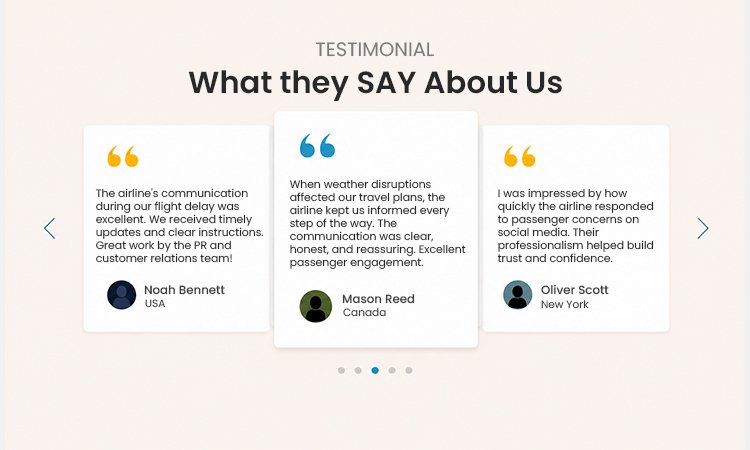
Having a good aviation PR strategy in hand will not just position your aviation brand as a promoter, but also a storyteller. Aviation companies must craft compelling narratives that perfectly correspond with their target audience.
By leveraging passenger testimonials, engaging visuals, and sneak peeks into the behind-the-scenes, aviation firms can humanize their brand. Storytelling, when done right, can fortify connections and encourage coverage that feels genuine.
- Role of Storytelling in the Aviation Sector
When choosing an aviation brand to fly with, the first thing passengers consider is trust, authenticity, and how people perceive the particular brand online. Here are a few reasons aviation companies must consider storytelling.
- Building Brand Loyalty
In a competitive market where literally every other aviation company is offering similar services, powerful brand storytelling can help aviation firms stand out. Storytelling campaigns that highlight destinations, employee culture, and shared values can help passengers connect emotionally with your aviation brand.
- Improving Passenger Trust and Experience
Integrating storytelling with emotional intelligence can actively help minimize passenger anxiety. Crew members and announcements that leverage welcoming narratives can put travellers at ease and build trust among travellers.
- Navigating Crises
When a crisis strikes, like major flight delays or service issues, leveraging storytelling can be highly effective for crisis management. Proactive, transparent storytelling can not only humanize your aviation company but also allow it to structure its commitment to sustainable innovation over negative PR.
- Building Leadership and Employee Engagement
Employee engagement and establishing leadership are vital aspects of aviation PR. Through effective storytelling, leaders in aviation can unite various teams. From baggage handlers to pilots and air traffic controllers. By sharing the long-term vision of your aviation firm and clearly narrating major challenges, leaders can encourage their staff, build morale, and align everyone towards the same strategic goal.
- 5 Ways Aviation Companies Can Leverage Storytelling Effectively
- Showcase the Human Element
People connect with emotional stories, not statistics. Aviation firms should share the real experiences of flight crews, passengers, and ground staff to foster trust among potential passengers.
Showcase the personal career journey of the pilot, highlight the dedication of maintenance crews, or encourage passengers to share their personal experiences, which can give potential passengers an emotional, behind-the-scenes look at the people.
- Portray Your Passengers as Heroes
Rather than simply focusing on selling destinations, aviation companies must thoroughly document the reality of travel.
Aviation firms should highlight dream vacations, reunions, or business milestones to position their passengers as real heroes. You can elevate this by actively using authentic, user-generated content from passengers who are sharing their personal travel journeys.
- Offer Educational Content
Simplify the travel experience of your passengers by leveraging compelling stories to help them.
Aviation companies can develop content that clearly explains how to navigate bustling hubs, sharing effective packing tips, or introduce an untouched destination. This can position your aviation firm as a trusted travel partner instead of just a transit provider.
- Showcase Sustainability and Innovation
Modern-day travellers prioritize the environmental and technological impact of flying. Aviation companies must share the narratives of their company’s future- whether that means telling a story of switching to eco-friendly options, such as the use of sustainable fuel.
- Collaborate With Influencers
Aviation companies can collaborate with relevant travel and tourism influencers or frequent travellers to create long-form, experience-based storytelling.
This social proof fosters significantly greater trust and credibility than traditional, celebrity-approved advertising.
- Write Valuable Press Releases

Press releases are one of the most crucial aspects of aviation PR. They are a powerful tool for sharing company news and are used by 68% of journalists to gain story ideas.
Here are some best practices aviation companies must follow when developing press releases:
- Know Your Audience
Aviation companies must have a clear idea of who their readers are. Are they trying to reach regular travellers, aircraft owners, or first-time flyers?
Make sure to consider what aspects of your news will resonate the best with your target audience and how they prefer to consume it, then personalize the message to make it appealing to them.
- Be Concise
Modern-day customers are always on the go. They prefer content that offers information directly to them instead of beating around the bush.
When writing press releases, aviation companies must stick to crucial details that support the core message and avoid including any unnecessary or irrelevant information that their target audience might not understand.
Aim to keep the word count of your press releases between 300-500 words to ensure a clear and focused message.
- Stay Relevant
It is very important to keep in mind that the secret to successful press release writing is telling the audience why they should care.
Focus on telling your readers why they should care about the story of your headline to encourage them to read the rest of your press release. In order to keep them hooked, aviation companies must continue telling them why it matters.
By discussing emerging trends in the aviation industry or broader social issues that might ignite the interest of readers, you can develop highly informative and newsworthy announcements. A relevant and timely press release is more likely to be picked up by media professionals for coverage.
- Tell a Story
Another effective approach of aviation PR for appealing to your target audience through press releases is by humanizing your story.
Aviation firms must craft press releases like short stories with a clear beginning, middle, and end that incorporate an engaging narrative and ignite curiosity.
To humanise your story, you can consider including relevant quotes from key stakeholders, such as company executives, technical engineers, or industry partners, to add an authentic perspective.
- Offer Credibility
One of the most valuable tips for writing press releases is to add authority by supporting your claims with relevant data.
Backing your message with relevant statistics from authoritative sites and research on industry trends can be highly effective for building credibility.
Furthermore, journalists love facts and figures. Including relevant data can increase the chances of your story getting picked up for coverage.
- Include a Clear Call to Action
Like any marketing or public relations tactic, press releases should also direct readers to the next step.
By including a clear CTA (Call-to-Action) that perfectly aligns with the goal of the press release, aviation firms can direct readers to their official website, offer clear contact information, or invite media professionals to schedule interviews or download a multimedia press kit.
- Collaborate With Aviation Influencers

Influencer partnerships are gold for effective aviation PR. Do you know that 49% of customers rely on influencers for purchase decisions, showcasing the importance of influencers in shaping decisions.
Modern-day influencers work as strategic partners to help aviation brands reach a wider audience. Their ability to tailor brand messages and deliver them through authoritative voices gives access to an audience who prioritizes relevance over reach.
- Why is it Crucial for Aviation Firms to Collaborate With Influencers?
- Establishing Trust and Authenticity: Outdated corporate aviation messaging can sometimes feel too formal and distant. Influencers act as relatable peers. Their word-of-mouth recommendations can help aviation companies build instant credibility and emotional connections with prospective passengers.
- Reaching Passionate Niches: Besides broad vacation audiences, influencers can help aviation firms tap into enthusiastic “avgeeks” and aerospace communities.
- Visual Storytelling: Aviation influencers have access to unique, behind-the-scenes moments like lounge visits and in-flight service reviews. The visual content successfully demonstrates premium products such as business class updates and chartered services in a very engaging way.
- Driving Bookings: By showcasing new route launches or exclusive discounts for frequent flyers, content creators inspire direct engagement and bookings among modern-day travellers.
- How Can Aviation Companies Collaborate With Influencers
Here are some effective tips for aviation firms to collaborate with influencers to ensure a successful PR campaign:
- Choose Relevance and Trust Over Follower Count
Rather than partnering solely with content creators who have the largest follower count, aviation companies must choose to partner with influencers based on audience demographics, authenticity, and engagement rates.
- Niche Relevance: Aviation brands can partner with travel bloggers, aviation enthusiasts, business travel experts, or lifestyle content creators, depending on your main offering.
- Trust Factor: Micro-influencers who have a following of 10K to 50K often possess higher conversion rates and more community trust in comparison to macro celebrities.
- Focus on Experience-Driven Storytelling
Whether booking a leisure getaway or a business class, modern-day travellers want to see the “why” and “how” of flying.
- Demonstrate the Journey: Aviation firms must encourage content creators to document the entire passenger journey, from seamless check-in at the airport to on-board meals and seat comfort.
- Route Highlights: By partnering with content creators to show new route launches or promote seasonal destinations, encouraging direct bookings through compelling visual content.
- Prioritize Long-Term Partnerships Over One-Offs
Aviation is a considered purchase that might require consistent audience exposure.
- Always On-Programs: Shift your focus from a single sponsored post to a long-term ambassador program. This can help aviation firms gain constant engagement and include their services naturally in the lifestyle of the creator.
- Collaborated Series: Co-create episodic content with influencers, such as a multi-part series on a destination to improve viewer retention.
- Maintain Safety and Regulatory Compliance
The aviation industry is heavily regulated. Messaging that fails to adhere to the strict safety standards and advertising guidelines might not only lose audience trust but also face hefty penalties.
- Follow Strict Disclosure Guidelines: Aviation firms must make sure that all their sponsored content is clearly marked with relevant hashtags like #ad or #sponsored.
- Focus on Operational Safety: If hosting influencers for a behind-the-scenes tour or in-flight reviews, airline companies must make sure they are properly briefed on aviation rules and regulations.
- Set Up Clear Expectations and Fair Compensation
Having a professional outreach strategy in hand and signing a contract can deliver high-quality, authentic content.
- Clear Briefing: Aviation companies must offer a clear campaign summary by outlining deadlines, required deliverables, such as the number of Instagram stories, and core messaging without altering the unique voice of the influencer.
- Flexible Compensation: Make sure to offer fair compensation, which might integrate flat rate fees, complimentary flights, and an associated strategic communication structure that is linked directly to tickets or services booked using the influencer’s promo code.
- Build Strong Media Relationships, Not Just Contacts

Developing powerful relationships with the media is one of the most crucial aviation PR strategies.
Rather than blasting journalists’ inboxes with generic emails, aviation companies should write personalized emails, especially tailored to the unique interests and beat of the journalists.
- 4 Reasons Aviation Firms Must Focus on Media Relations Building
- Navigating Crisis Effectively
Aviation is a highly scrutinized sector. In this sector, a crisis can arise at any time. Ranging from technical delays to mechanical disruptions, negative media narratives can quickly shape the perception of the public.
By establishing close relationships with journalists, aviation firms can ensure that their side of the story is conveyed accurately. This is a crucial approach to ensure transparent, rapid-response communication.
- Earning Public Trust and Building Credibility
Passengers naturally lean towards brands they trust. When your aviation service gets featured in a media outlet for a positive or impartial story, it can automatically cultivate trust among passengers, serving as a powerful source of “earned media”.
This third-party validation from credible journalists or media outlets carries more weight for travellers in comparison to paid advertising.
- Building Thought Leadership
The aviation industry is filled with complicated technical information that not everyone understands. Having an established relationship with media professionals can allow subject matter experts and executives to be positioned as credible “thought leaders.” This intensifies corporate reputation among investors, business partners, and passengers.
- Gaining a Competitive Advantage
In a highly saturated aviation market where routes and pricing options are almost similar, building strong relationships with the media can give aviation firms the opportunity to stand out from their competitors.
Regular media coverage can keep your aviation brand at the top-of-mind, making passengers more likely to choose your aviation brand for their upcoming travel.
- Best Practices for Building Robust Relationships With Media Professionals
Here are some effective strategies for aviation companies to foster strong relationships with media outlets and publications:
- Research and Personalize
- Study the Beat: Do you know that the majority of journalists are likely to disregard pitches that do not belong to their coverage area? So, before you start pitching, thoroughly review their recently published articles to understand their coverage area, personal tone, and style of writing a news story.
- Avoid Spamming: The fastest way to get blocked by a journalist is to spam them with irrelevant pitches.
- Craft Personalized Pitches: To ensure successful aviation PR campaigns, firms must tailor their approach every time they are sending pitches and avoid sending the exact same mass pitch, even if they are sending to different media professionals.
- Lead With Value
- Offer Expert Opinions: Rather than simply promoting your brand, aviation brands should help journalists by connecting them with industry experts, key research, or data that they need to frame a story.
- Respect their Hustle: Airline companies must keep in mind that journalists are busy people, with them receiving more than 50 pitches per week. So, make sure to keep your initial outreach brief and to the point (under 3 paragraphs).
- Understand Deadlines: Make sure to respect their tight schedules. Being transparent and responsive can help aviation companies make the jobs of journalists significantly easier.
- Nurture the Connection
- Engage on Social Media: Aviation firms must follow their target reporters on platforms like LinkedIn or X. Consider sharing their articles if they add value to your network, leave thoughtful comments on their posts, or heartily congratulate them on receiving an award.
- Connect During Off-Peak Hours: Avoid reaching out to them only when you need a favour or a major announcement to make. Rather, during quiet hours, aviation companies can send them helpful tips or congratulate them on receiving an award.
- Leverage PR Tools: Closely monitor and record editor notes and interactions by leveraging modern PR tools like Prowly. This tool can maintain organized, shared relationships across team pitching.
- Position Executives As Thought Leaders

By positioning the major figures of your company, such as your founders and executives, as authoritative leaders in the aviation sector, airline services can foster deep trust among passengers and stakeholders.
In fact, over 76% of decision-makers say thought leadership helps them make informed business choices. This statistic clearly shows the vitality of effective thought leadership.
Now, how can aviation brands establish thought leadership? Let’s take a look at that:
- Publish Data-Backed Content: By developing highly valuable, long-form, data-relevant assets such as comprehensive technical guides, whitepapers, and research reports, aviation firms can build credibility.
- Leverage Executive Engagement: Have the leaders of your aviation company share their unique perspective and operational expertise on platforms like LinkedIn. Humanizing the brand with major figures can help establish trust with decision-makers and a broader aviation community.
- Dominate Niche Topics: Aviation firms should focus their messaging on relevant industry challenges. Engaging in conversations about emerging regulations in the aviation sector, predictive maintenance, and modern aviation technologies can help capture a highly targeted audience.
- Participate in Relevant Industry Events: You can maximize the visibility of your airline company by speaking at major aviation-related conferences and contributing to panels. This can help position your aviation brand as a forward-thinking entity that actively shapes industry conversations.
- Leverage Podcasts to Spread Your Message

In the modern era, podcasts are one of the most impactful sources of communication, making them a crucial aviation PR strategy. Do you know that there are currently over 584.1 million podcast listeners globally?
Podcasts are a great way to reach target audiences personally, casually, and in the most non-mass-media way. Nowadays, more and more aviation companies are ditching traditional PR strategies and aligning towards podcasts to spread their message and reach a broader audience instantly.
- Why Should Aviation Firms Consider Participating in Podcasts?
- Niche Audience Targeting: Listeners of aviation-based podcasts include avGeeks, private pilots or students, and industry professionals.
- Thought Leadership: Podcasts offer a perfect long-term format for aviation companies to discuss complicated topics like sustainability, global supply chain challenges, and air mobility without any constraints of traditional media.
- Talent Acquisition: With the consistently growing demand for skilled aviation professionals, firms can leverage audio platforms (podcasts) to promote career opportunities, discuss company culture, and showcase success stories.
- Brand Trust and Control: Because podcasts are owned media channels, aviation companies can control the exact messaging and discuss new measures to establish deeper trust with their customers.
- Key Strategies for Aviation Brands to Organize a Podcast
Podcasts are becoming a major marketing tool for aviation companies. Here are some of the best practices aviation firms can consider to successfully organize a podcast:
- Clearly Define Your Purpose and Niche
Aviation is a vast industry. But your podcast should not be. Before you plan to organize a podcast, make sure to pick a specific niche to establish thought leadership.
- For B2B Airlines: Aviation companies must focus on supply chain solutions, sustainability, or fleet optimization.
- For B2C Airlines: Focus on in-depth research, stories of pilots and crew members, or maximization of loyalty programs.
- Choose a Sustainable Format
Consistency is non-negotiable in the aviation sector. It can be immensely helpful for building trust among listeners.
- Ongoing vs. Limited Series: Aviation companies must decide on a dedicated format that they can maintain. A “limited seasonal series” is often easier to execute than an open-minded weekly show.
- Video is a Must: Make sure to record both audio and video simultaneously. Platforms like YouTube act as visual search engines, immensely enhancing discoverability.
- Source Strategic Guests
Aviation firms must choose guests who can not only elevate their brand but also bring in new listeners.
- Feature core customers, industry experts, or innovators. Featuring major customers can be valuable for case studies, and innovators are great for building brand awareness.
- Aviation companies must make it easy for guests to share the episode by offering them pre-made links and promo assets.
- Develop an Editorial Calendar
Make sure to align all your podcast topics with your broader marketing and sales funnel.
- Clearly map out your content calendar in well-themed clusters. For example, if you are doing a series on “Aviation Innovation”, you can cover the latest upgrades on avionics, SAF (Sustainable Aviation Fuel), and advanced pilot training.
- Multiply the Access of Your Content
Rather than depending solely on audio platforms, airline companies must repurpose every episode of their podcast into multiple formats.
- Aviation companies must translate the full episodes of your podcast into keyword-rich YouTube videos with optimized titles and timestamps.
- You can also extract 60-second video clips from your podcast to use on platforms like LinkedIn, TikTok, and Instagram.
- Make sure to publish comprehensive show notes and transcripts on your official airline website to improve search engine optimization.
- Use Newsjacking and Trending Topics
Effective aviation PR can be expensive. From developing engaging content to running captivating public relations campaigns, it often demands a hefty sum of money.
For small-scale aviation companies, building authority can be challenging because of this. Thankfully, there’s a powerful and effective PR strategy that is cost-effective: Newsjacking.
- What is Newsjacking?
Newsjacking in public relations is the process of leveraging your brand’s voice, expertise, or unique perspective to inject your company into a breaking news cycle or trending industry topic.
The main goal of this aviation PR strategy is to benefit from the public’s immediate interest to gain media coverage, establish brand awareness, and position the aviation company as a thought leader in the industry.
Aviation companies can leverage newsjacking to gain:
- Higher Brand Visibility: When an aviation brand newsjacks, it benefits from the passenger’s already expressed interest in an ongoing event. Crafting stories around unique interests can help aviation companies achieve significantly greater reach.
- Massive Flow of Organic Impressions: Newsjacking, when done right, can generate instant reach and virality across various social media platforms and news channels.
- Viral Social Media Engagement: Clever, timely social media posts get shared quickly, significantly boosting organic reach without the need to invest in expensive paid ad campaigns.
- Improved SEO and Web Traffic: Incorporating trending keywords into content marketing assets or corporate blogs can instantly drive search engine traffic.
- Establishing Thought Leadership: Commenting strategically on the latest industry news or travel trends, aviation companies can build credibility and position themselves as authoritative sources in the aviation sector.
- 5 Ways Aviation Companies Can Apply Newsjacking Successfully
Newsjacking is an art that requires the perfect balance of timing and relevance. Aviation brands must be very careful about the type of events they use to avoid controversies.
- Closely Observe the News Landscape
It is not possible to newsjack if you are not familiar with the current trends in the aviation industry. This is why staying updated on breaking news is a must.
While general news can be effective, focusing on aviation-specific news can help drive better ROI, since you are reaching directly to your target audience.
Aviation firms can leverage tools like Google Alerts to avoid missed opportunities for timely updates and BuzzSumo to monitor the latest trends in the aviation sector.
- Act Immediately, But Accurately
When it comes to newsjacking, timing is gold. If you publish your content too late, the public interest will have already shifted, making your update irrelevant.
Aviation firms must send their content during the peak time, when most people are engaged with that subject.
However, aviation brands must not compromise on accuracy for speed. Always make sure to double-check that the content is using relevant information and reliable sources.
- Identify Relevant Angles
Even though newsjacking offers multiple benefits, not every story is an ideal fit for your aviation firm.
Basically, the coveted topic will already align with the core values of your aviation company and the interests of your audience. As an aviation company, if you newsjack a breaking entertainment story, it is not likely to engage your target audience.
Once you are done deciding on a topic, you can leverage platforms like SEMrush to identify keywords that are driving searches.
By incorporating relevant keywords in your content, aviation companies can directly address unexplored angles and nurture SEO at the same time.
- Develop Compelling Content
As we discussed earlier, timing is the key to newsjacking. However, there’s another thing that also matters a lot in newsjacking: Content. To do newsjacking for aviation PR, developing captivating content is non-negotiable.
Your update should either solve a problem or offer a unique perspective. The main purpose of your content should not be just reporting the news; rather, to add real value to a conversation.
NOTE: When developing content, make sure it aligns with your brand’s unique voice.
- Choose the Right Channels
Where you choose to release your newsjacked content also matters. Social media platforms like TikTok and X heavily rely on immediate reactions and real-time engagement.
In case an aviation firm is looking to tap into industry development matters, LinkedIn may be the ideal platform for it.
If you are looking to expand your reach even further, collaborating with influencers can be a great choice.
Measuring the Effectiveness of Your PR Campaign: 8 Key Performance Metrics to Track
To monitor the success of your aviation PR campaign, here are 8 major performance metrics aviation companies must keep track of:
- Audience Reach and Engagement
This PR metric measures the size of the audience that is exposed to your placement and how they are interacting with your content.
- How to Track: In order to successfully track this metric, aviation companies must track total impressions, engagement rates, and unique monthly visitors of the publishing site.
- Why is it Crucial: A high audience reach often signals improved brand awareness, while more engagement indicates how your content resonated with the target demographics.
- Thought Leadership Coverage
Thought leadership assesses the depth and quality of the coverage rather than simply the volume of mentions.
- How to Track: Aviation companies can track this metric by closely monitoring placements in industry-specific trade publications, invitations to speak at crucial events, and features in reputable business outlets.
- Why is it Crucial: By measuring this metric, aviation brands can track the positioning of their brand as an authoritative source and trusted industry experts.
- Share of Voice
Share of voice is the comparison between the media presence of your aviation brand against your direct competitors in the aviation industry.
- How to Track: This metric can be measured by evaluating the total number of media mentions that your aviation brand is receiving in comparison to the total mentions of all your competitors together.
- Why is it Crucial: It helps aviation companies have a clear idea of market dominance and helps track whether or not your brand is capturing the majority of the public’s attention.
- Website Search Visibility
An effective PR campaign should improve the organic visibility of your brand online. This is one of the most valuable metrics to measure the effectiveness of aviation PR.
- How to Track: To measure this metric, aviation companies should keep an eye on how their brand is ranking for branded keywords, spikes or falls in search volumes and domain authority.
- Why is it Crucial: It measures how easily potential passengers can find your aviation company on search engines.
- Social Media Mentions and Influencer Engagement
Social metrics such as influencer interaction and social media mentions can expand the lifespan of your press coverage by measuring elevated reach and organic discussions.
- How to Track: In order to determine the effectiveness of these social metrics, aviation firms must track direct brand awareness, retweets, hashtag usage, and engagement generated by organic sharing and influencer partnerships.
- Why is it Crucial: It offers a clear idea of the virality and community amplification of your aviation PR narrative.
- Sentiment and Reputation
Aviation firms must understand that not all PR is good PR. By tracking sentiment analysis, aviation firms can get a clear picture of exactly how the public is perceiving their brand or feels about it.
- How to Track: Sentiment and reputation can be tracked by identifying whether social conversations and media coverage are positive, negative, or neutral.
- Why is it Crucial: Tracking this metric matters a lot because it can help aviation companies safeguard the reputation of their brand and tell whether their main messages are being received well or not.
- Media Performance
Media performance evaluates the quality of the media placements themselves and whether your brand message is being conveyed accurately.
- How to Track: Aviation companies can track this by determining projections in the mention (headline vs buried in an article), including core brand messaging and backlinks.
- Why is it Crucial: This metric reveals whether or not a journalist is grasping the main narrative of your PR efforts and successfully reflecting your brand identity.
- Referral Traffic
Your aviation PR efforts should drive a significant amount of traffic to your owned channels, such as your landing pages and official website.
- How to Track: Improvements in referral traffic directly from media outlets, linked articles, and guest postings can leverage analytics tools like Google Analytics.
- Why is it Crucial: It can help determine how public relations can act as a “top of funnel” activity, guiding interested readers into potential leads.
5 Common Public Relations Pitfalls Every Aviation Brand Must Avoid
No matter how good your services are, a small mistake in your aviation PR strategy can make all your efforts ineffective. And we don’t want that. So, in this section of the blog, we will discuss some of the common mistakes of public relations that most brands make:
- Not Having a Clear PR Strategy
Operating a PR campaign without a clear strategy is running the track without a finish line. If an aviation company communicates randomly without well-defined objectives or an unclear understanding of target audiences, it might result in incoherent messaging, wasted resources, and confused audiences.
How to Avoid This?
Aviation companies can avoid making this mistake by developing a comprehensive public relations framework that perfectly aligns with their PR goals and broader business objectives. Craft the core messaging that clearly demonstrates the unique value proposition of your aviation company and ensures your internal teams communicate with a consistent voice.
- Ignoring Media Relationship Building
Journalists are always on the go. So, they frequently need timely, authoritative comments. Not considering media relationships or focusing on relationship building can leave a gap that can be easily filled by competitors or critics.
Only reaching out to journalists when you have a favour or a feature is the biggest mistake of aviation PR, as it might lead to transactional or ignored pitches by journalists.
How to Avoid This?
Aviation companies should proactively reach out to and build relationships with journalists who cover topics on aviation and travel. Familiarise yourself with their areas of focus so that when policies, sustainability measures, and route expansions occur, you can offer them valuable pieces of information and insights.
- Sending a Generic Press Release
Do you know that 75% of journalists cite press releases as a key source of coverage? This makes them a crucial asset for public relations. Developing and sending generic press releases that do not target the unique interests of district media outlets usually leads to lower open rates and missed coverage.
How to Avoid This?
When sending press releases to journalists, aviation firms must segment their media list and personalize their press releases so that they resonate with regional reporters. Make sure your news contains clear facts, figures, authoritative quotes, and a powerful narrative arc.
- Failing to Prepare for a Crisis Beforehand
In the aviation industry, a crisis can arise at any time. From social media backlashes and flight delays due to weather to mechanical accidents. These types of severe crises can easily malign the reputation of an aviation company.
One of the most common aviation PR mistakes that a lot of companies make is failing to develop a powerful response in these situations, leading to tone-deaf messaging, delayed statements, and maligned credibility.
How to Avoid This?
Aviation firms must develop detailed crisis communication protocols and train a spokesperson to address consistent media queries. Furthermore, they should prepare easily adaptable statement templates and conduct crisis mocks regularly in order to train their leadership team.
- Expecting Immediate Outcomes from PR Campaigns
Public relations is all about building a long-term reputation and public perception, not a quick-turn sales strategy.
A lot of aviation companies make the mistake of pulling the plug on a PR campaign too early because they did not generate an overnight spike in flight bookings.
How to Avoid This?
Unrealistic expectations often hurt sentiments. So, aviation companies must set realistic expectations and understand that public relations is a progressive, compounding brand equity. Aviation firms must make sure to measure both qualitative and quantitative metrics, such as share of voice, sentiment shifts, and media placements, for a long time to determine the effectiveness of their PR campaign.
Conclusion
Aviation is like every other sector. Every initiative, announcement, and public engagement is associated with reliability, safety, and passenger confidence. By implementing the aviation PR strategies mentioned above, brands can not only position their key executives as thought leaders but also build brand trust and credibility.
In case you are just starting out with public relations and have no idea how to proceed, you can partner with an experienced public relations firm.
FAQs
Ans. Aviation firms can successfully foster trust by focusing on transparency in crisis management, engaging stakeholders by sharing operational updates regularly, and prioritizing sustainability. By leveraging dynamic storytelling and maintaining transparent communication channels, aviation companies can directly improve their brand visibility.
Ans. AI and social media can revolutionize aviation PR by transforming it from a reactive strategy to a proactive, data-driven marketing strategy. Together, they allow aviation companies to identify early signs, deliver real-time passenger updates, and deal with reputation threats before their escalation.
Ans. Yes, public relations can be highly effective for positioning your aviation company as a thought leader. In a heavily competitive industry, where trust matters the most, a well-defined PR strategy can help aviation companies build credibility, foster trust among investors and passengers, and encourage crucial conversations on safety and innovation.
Ans. Yes, public relations storytelling is very effective, especially for aviation firms. This marketing strategy can transform an industry built on technical operations into a brand with which passengers can connect emotionally, driving customer loyalty, setting your brand apart from competitors, and establishing public trust.
Ans. A good PR agency can help aviation companies navigate crises like severe operational disruptions, major attacks, and strikes. They do this by shaping the narrative, guaranteeing internal and external communication, and eliminating reputational damage by implementing effective reputation management strategies. By incorporating strategic frameworks, public relations experts can help regain public trust and balance stock value.
