




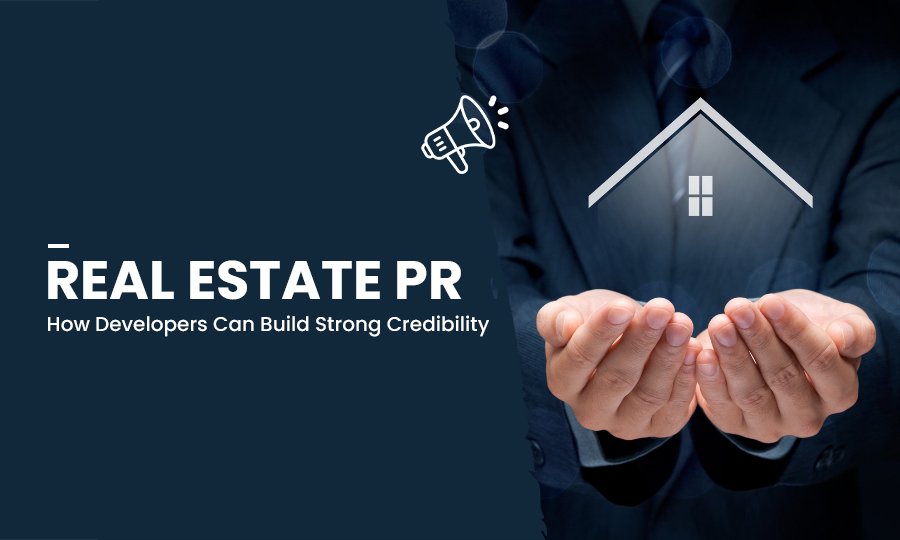
With the growing competition in the real estate industry, a lot of real estate developers are struggling to stand out from the intense competition and shape how the public views their business. Through effective real estate pr strategies, real estate developers can not only boost their business visibility in the heavily crowded market but also enhance the overall brand image of their business, positioning their business as a trusted industry leader.
In today’s ever-evolving world, from startups to large-scale real estate businesses, everyone needs a good PR strategy in order to shape how the public views their business.
If you are a real estate developer who is looking to establish a strong online presence, then this blog is for you. It will discuss what PR for real estate is, why it matters, major public relations components for real estate developers, effective public relations strategies, and more. So, let’s get started.
What is Real Estate PR
PR for real estate developers refers to the strategic approach of establishing a positive brand image, enhancing visibility, and building credibility through effective communication using media, digital platforms, and creating engaging narratives around projects and brands.
Real estate public relations strictly focuses on building, managing, and enhancing the public image of both large and small-scale real estate businesses across various digital channels. So, for real estate businesses, it becomes really important to maintain an exceptionally positive image.
Why Real Estate PR Matters?
Now that you have a clear idea of what public relations is for real estate practices, let us discuss why it matters for real estate developers.
- Fosters Trust and Transparency
By implementing effective real estate PR strategies, real estate developer companies can share their achievements, certifications, updates, and milestones that highlight their professionalism and expertise.
This consistency in communication enhances public trust, minimizes skepticism, and assures prospective buyers that your real estate developer business is legit and credible.
- Builds Public Perception
In real estate, how the public views your business matters. Public relations can help position your real estate business as reliable, experienced, and customer-focused. This position heavily influences the buying decision and establishes long-term reputation equity.
- Successful Crisis Management
The real estate industry is quite immune to crises. Market downtimes, legal land-related problems, and even project delays, various challenges can arise that often threaten a company’s reputation. Effective real estate public relations is crucial for dealing with these crises.
Implementing effective real estate public relations strategies can easily address negative news, transparently communicate with stakeholders, and incorporate modern strategies to mitigate damage.
- More Business Visibility and Brand Awareness
In the competitive real estate sector, standing out has been crucial than ever. Successful public relations helps improve visibility and awareness of real estate projects and services through various digital channels. including social media, events, and media relations.
A well-executed public relations campaign guarantees that the target audience has a clear idea of the new developments, company achievements, and property listings.
- Attract More Partners and Investors
Attracting investors and partners is a vital aspect of real estate development. Public relations helps in developing engaging narratives that often showcase the value of real estate developers.
By incorporating investor presentations, media coverage, and industry conferences, real estate developer companies can easily highlight their projects’ feasibility and attract the necessary funding and partnerships.
- Establish Thought Leadership
Establishing thought leadership in the real estate industry can set your real estate developer firm apart from others. Public relations can help real estate developers position real estate professionals as experts in the industry by contributing valuable and informative articles to industry-specific niche publications and engaging in panel discussions.
This thought relationship not only improves the professional’s reputation but also attracts clients who value insights and expertise.
Major Components of Public Relations for Real Estate Developers
Now that we have discussed the advantages of public relations for real estate developers, here are some of the major components of real estate PR.
- Reputation Management
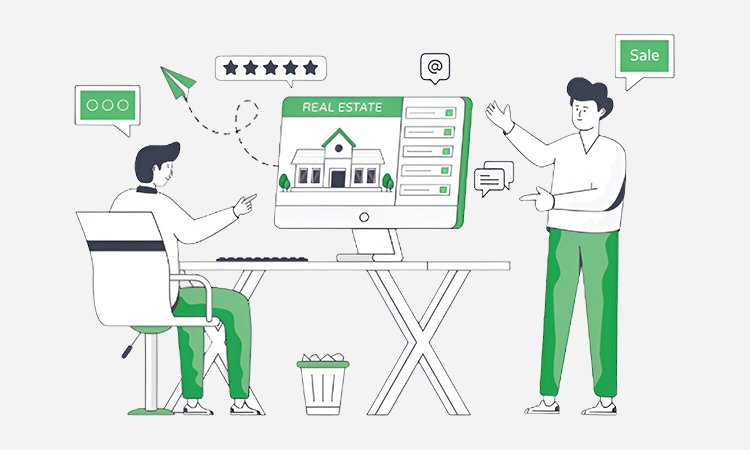
This component of public relations for real estate is about maintaining a positive public image and reputation. It includes:
- Keeping track of online reviews, discussions, comments, mentions, and even any prevailing controversies through the implementation of advanced monitoring tools. This helps real estate developers to respond instantly when a crisis situation arises.
- Dealing with reviews and comments professionally, no matter negative or positive. This also includes engaging with followers to establish trust and loyalty.
- Engaging in secure practices in order to avoid any inappropriate or reputation-damaging posts that could diminish the credibility of your developing business and hurt future partnerships or collaborations.
- Media Relations
Media relations strongly focus on establishing robust relationships with the media, editors, and real estate influencers in order to achieve a positive and consistent coverage. Major activities of media relations include:
- Press Releases: Distributing news about your latest projects, corporate achievements, and milestones to relevant media outlets.
- Media Pitches: Actively offering expert opinions, stories, and information to secure earned media, such as contributions to market analysis and project features.
- Media Kits: Preparing complete information packages such as high-quality images, executive biographies, and fact sheets for seamless media reference and access.
- Crisis Management

Crisis communication is the careful planning and execution of communications in order to safeguard a real estate developer’s reputation during crises such as construction delays, negative press, or legal problems. Effective crisis management involves:
- Preparedness: Creating a clear, pre-defined crisis communication plan and designating a single and well-trained spokesperson.
- Transparency and Efficiency: Respond promptly and transparently to address common concerns and offer accurate updates to the general public as well as the stakeholders.
- Tracking: Constantly monitoring social and media sentiment to easily identify unfolding problems and promptly address misinformation.
- Personal Branding
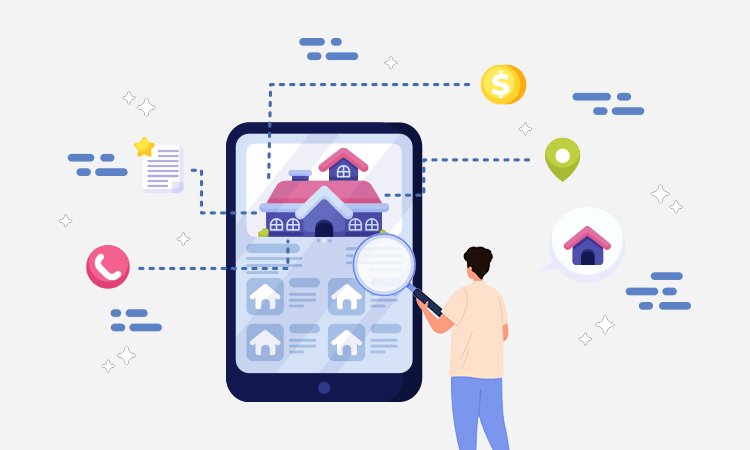
This includes positioning major executives and the founders of a real estate business as industry experts and thought leaders. This humanizes the business and establishes trust with prospective property buyers and investors by:
- Thought Leadership: Establishing thought leadership is crucial for effective real estate PR. Real estate businesses can establish thought leadership by publishing valuable articles, engaging and speaking in industry podcasts and conferences, and sharing market expertise.
- Executive Visibility: Maintaining a positive and professional online presence, especially on platforms like LinkedIn, to effectively connect with clients and peers.
- Authenticity: Focus on conveying the unique story, values, and vision of the leadership team of your real estate business.
- Digital Presence and Social Proof

- Social proof establishes trust and authority. In the modern-day real estate market, a robust digital footprint is crucial for reaching and engaging target audiences. Key elements of social proof include:
- Sharing patient testimonials from satisfied homebuyers.
- Case studies of successful projects and developments
- Showcasing your positive online reviews and awards, or industry recognitions.
By highlighting these successes, real estate developers can help prospective property consumers feel confident about their decision and investments.
How can Real Estate Developers Establish Robust Credibility Through Effective PR Strategies?
Here are some helpful property PR services that can help in establishing a strong brand image. These strategies focus on defining and making your real estate business stand out from the others, building trust and credibility. In this section of the blog, we will discuss them in detail.
Understand your Unique Value Proposition
Your unique value propositions (USPs) are what make you stand out from other real estate businesses. In simple words, it tells your customers who you are and what you offer that people will find useful.
For example, there are numerous real estate agencies, but with the rising concern about environmental issues, people will be more inclined to choose a real estate developer who incorporates sustainable building products.
Now, how can real estate services determine their USPs?
- Identify your Key Strengths and Niche
For successful real estate PR, real estate developers must identify the major strengths and niche of their business. In order to successfully deliver the message of your business, real estate developers must focus on their major strengths. For example, whether you specialize in building luxury or high-end properties, senior housing complexes, vacation homes or any other areas.
Having a clear idea of your niche can help you set up clear objectives, create relevant content, and collaborate with niche-specific influencers who can help you fortify your brand image. For instance, testing and reviewing eco-friendly products regularly can help position your business in a prominent place within your niche.
- Establish a Consistent Personal Brand Affirmation
Real estate developers must focus on creating a brief statement that can easily capture the attention of potential buyers. Like, “Transforming Dreams into Addresses.” This tagline must reflect on every platform, like content, website, and social profiles.
- Selecting the Right Visual Elements
People often react to visual elements like colours, typography, fonts, and images. In simple words, real estate developers must pick a consistent writing pattern, colour palette, and image style that can help their customers to easily recognize them in the heavily crowded market.
For instance, if you are a luxury real estate developer, then you must leverage modern and sleek visuals with colour palettes of gold and black.
Promote Crucial News with Press Releases
Press releases play a major role in the public relations efforts of real estate developers. These resources act as a great tool to convey crucial news and information to prospective buyers, investors, and media. A well-developed press release can boost visibility, create buzz, and position you as an authoritative source in the real estate market.
Real estate developer businesses can develop a press release on new property listings, property offers, and new construction projects. By conveying this information with the help of media publications, real estate developers can tap into a wider audience and achieve higher exposure.
How can Real Estate Developers Write Press Releases:
Now that you have explored why press releases are crucial for real estate developers, let’s take a close look at how real estate developers can craft press releases for their business.
- Determine the Angle of your News
Before you even start writing your press releases, you must identify an engaging news angle. This could include a property offer, collaboration with an industry leader or a well-known real estate agent, and even a new milestone your business has achieved.
Real estate developers must determine that their news angle will help them focus their press release and make it relevant and worthy of being news.
For instance, as a real estate agent, you want to showcase a recently listed property that has a beautiful rooftop view, so you can highlight this feature as your news angle.
This will captivate the attention of prospective buyers as well as the media, as it will provide a unique selling point in the highly competitive real estate market.
- Structure your Press Release
The framework of your press release is crucial to ensure that the information flows seamlessly and is easily readable. Real estate businesses should consider incorporating bullet points, subheadings, and brief paragraphs where necessary to make the content more digestible.
Besides writing a catchy headline and a strong lead paragraph, real estate developers further improve the structure of their press release by incorporating fresh and relevant statistics or market data. For example, you include the statistic number of the current demand for properties with beautiful rooftop views to focus on the market potential of your property/listed property.
- Creating and Editing your Press Release
When writing a press release, real estate developers must ensure it is concise, easy to read, informative, and to the point. Avoid leveraging complicated words or technical terms as much as possible, as it might confuse your customers.
When you are done writing the initial part of your press release, you must proofread it to make sure there are no spelling or grammatical mistakes and is easily readable. A press release that is edited well by professionals can showcase a high level of professionalism, increasing the chances of getting covered by the media.
However, focusing on grammar and spelling is not all; real estate developers must make sure that their press release clearly conveys the USPs of a property efficiently. You can consider adding quotes or testimonials from satisfied clients, which can help boost credibility and humanize your press release.
Real estate developers can also include relevant and high-quality images of their property in order to make their press release more catchy and appealing. If you are promoting a property whose unique selling proposition is a beautiful and spacious garden, then add high-quality photos of the garden to captivate the attention of the readers and increase the chances of getting covered by the media.
Now that we have a clear idea of how real estate developers can write effective press releases, let us take a look at how they can distribute them.
How can Developers Distribute their Real Estate Press Releases?
When you are done writing a compelling press release for your business, it’s time to distribute it to the right channels in order to boost its impact.
Choose the Right Distribution Platform
There are an abundance of press release distribution websites. And each of them has its own price plans and media outlets that they reach out to. With so many distribution channels available out there, it becomes really difficult to figure out which one is the best for your business.
To make this task easier, we have provided a comprehensive step-by-step guide on how you can choose the right press release distribution website for your business.
- Industry Relevance and Targeting
A good press release distribution platform for real estate developers must successfully connect, especially with real estate professionals, relevant media outlets, and investors.
- Niche Targeting: Real estate developers must look for services that allow precise targeting of industry-specific publications and journalists, and not just general news outlets.
- Media Contracts Database: A solid, up-to-date contact database of experienced real estate reporters, bloggers, and editors is vital for direct pitches and successful outreaches.
- Industry Expertise: The majority of press release distribution websites have specific connections or distribution lists that are especially personalized to the real estate sector. This can significantly boost the visibility of your business within the real estate industry.
- Network Reach and Distribution Channels
Next, real estate developers must assess how broadly the website they are considering can broadcast news and through which channels.
- Real Estate Focus: When choosing a press release distribution channel, real estate developers must make sure that the network includes major real estate news sites, trade journals, and news services.
- Syndication: Renowned services should associate press releases with major news outlets and search engines to enhance visibility.
- Geographic Scope: If you are building a property in a specific region, you must make sure to verify that the service can easily target regional or local media effectively.
- Reporting and Analytics
To ensure effective real estate pr efforts, real estate developers must closely monitor the performance of their press releases in order to determine the Return on Investment (ROI).
- Performance Metrics: You must look for press release distribution platforms that offer detailed reports on major metrics, such as clicks, number of views, social media shares, and earned media pickups.
- Media Pickups: Real estate developers must make sure to choose a press release distribution channel that provides comprehensive reporting with relevant details about which specific journalists and publications picked up your story, allowing for a follow-up.
- ROI Measurement: Effective reporting helps real estate developers determine which type of stories aligns the best with their target audience, helping them to craft compelling press release stories.
- Pricing Plans and Budget
Pricing models of press release distribution platforms widely vary, so it is crucial to find a press release distribution platform that fits within your budget while fulfilling your distribution goals.
- Cost vs Reach: Real estate developers must determine the cost of a distribution package against the prospective reach and targeting options.
- Hidden Fees: Make sure to thoroughly check if there are any potential extra costs for features such as lengthy releases, images, or videos.
- Subscription vs Pay per release: When looking for a press release distribution platform, real estate developers must make sure to decide whether they want to take up a subscription model or occasional single-release purchases. Make sure to evaluate which one is the most suitable for your PR frequency and development pipeline.
- Reputation and Authority
A press release website’s reputation can severely impact how your news is perceived by media professionals.
- Credibility with Journalists: Real estate developers must choose a press release platform that journalists often leverage and trust, and is their go-to for credible news information.
- Customer Reviews: Look for feedback from other press release publishers, especially within the real estate industry. This will help them determine how effective the press release distribution platform is.
- Schedule your Press Release for Maximum Impact
Timing is one of the most crucial factors when it comes to distributing press releases. Consider the right day, time, and current events that might attract the attention of media outlets. Real estate developers must avoid sending press releases during weekends, holidays, or even when any significant news events are surfacing.
Scheduling your press releases strategically can help boost the likelihood of your story getting noticed and covered by the media. Here are a few ways real estate developers can schedule their press releases strategically.
- The first thing that needs to be done to schedule press releases at the right time is determining the right day and time to send out the press release to the distribution platform. Mid-week (Tuesday, Wednesday, and Thursday) mornings, basically between 10 AM to 2 PM, in order to attract the attention of journalists at the start of the week and before the weekend rush.
- Real estate developers must make sure to align their press releases with significant property expos or specific project phases, such as land acquisition or planning approval, to ensure relevance.
- Avoid sending your press releases during national holidays, significant breaking news, or industry rush periods to prevent your news from getting buried under thousands.
- Real estate developers must make sure that their press release offers unique and valuable facts for property buyers or an engaging story, and not just generic information.
- Visuals play a crucial role in press releases. In fact, according to this statistic, adding a video to press releases can deliver 4.3 times more views than text-only press releases. Including high-quality photos and videos in press releases can not only make press releases more interesting for audiences but can also lead to more shares and engagement, easily captivating the attention of journalists or media outlets.
- Rather than sending your press releases to journalists who do not cover news of your niche, real estate developers must reach out to specific journalists and publications that cover solely real estate news.
- When distributing a press release, real estate developers must be responsive enough to promptly respond to any journalist queries.
- To promote your press release, you can add the post on your website as well as on social media to let more people know about your press release and encourage them to engage with it.
- Incorporate Effective Reputation Management Strategies
Building and maintaining a solid online reputation is a crucial aspect of real estate PR. Real estate developers can establish a positive online reputation by managing their client reviews and leveraging the right reputation management strategies. According to Frontiers,93% of customers say that reviews impact their buying decisions.
If your business does not have an online reputation, then you are basically non-existent to your prospective clients and will not be able to reach the right clients. So, here are some of the most effective reputation management strategies that real estate developers can incorporate.
Before we get started with the reputation management strategies, let us take a look at the importance of maintaining a positive digital reputation.
- Helps real estate developers to foster trust among clients by automatic reviews generation
- Enhances the online visibility of your business in the search results.
- Makes it easier for potential clients to find your real estate business.
- Helps stand out in an immensely competitive real estate market.
- Offers insightful feedback and drives constant improvement.
- Position your real estate business in a prominent place in the market.
Best Reputation Management Strategies for Real Estate Developers
- Automate Review Generation
If you wish to establish a solid reputation for your business online, then your top priority should be collecting as many reviews as possible. Generating reviews is a crucial part of effective public relations for real estate businesses.
No one would like to make a deal with a real estate developer who does not have a robust online reputation. The more positive reviews you gain on various review sites such as Zillow, Homes.com, or Realtor.com, the more potential clients will trust you.
Rather than waiting for your clients to leave their reviews, you must:
- Send them an automated review request to all the clients through text, email, or other messaging services to encourage them to share their experiences.
- Real estate developers must run drip campaigns to encourage their clients to write reviews in order to unlock a gift card or coupons.
- Encourage clients and survey respondents who reach out on various platforms to write a review.
- Review Management
Real estate developers can uncover many gems buried deep within thousands of reviews. They can leverage these reviews as social proof and marketing material. However, it is quite a challenge to find these precious elements if you do not have proper planning.
Developers must dynamically manage their reviews to avoid missed reviews and opportunities to turn the feedback into valuable data.
How can real estate developers effectively manage their online reviews?
- For effective review management, real estate developers must start by responding to every review- positive, negative, or neutral.
- Make sure to show appreciation by thanking them for taking their time to leave their valuable reviews.
- Personalized reviews work better than generic ones. To personalize responses to reviews, real estate developers must include their name and specific details from their reviews.
- Make sure to respond to every review promptly and professionally. In case of negative reviews, rather than getting defensive, real estate developers must acknowledge their frustration and take it offline to resolve the issue.
- Leverage dedicated tools like Birdeye, ReviewTrackers, and Podium to monitor reviews and get real-time notifications every time a new person posts reviews on sites such as Yelp and Google.
- Real estate developers must be vigilant towards fake or bot-generated reviews and must flag these fake reviews, as they can negatively impact their businesses’ online reputation.
- Social Listening and Monitoring
Client review and feedback are not limited to dedicated review sites anymore- they are everywhere, and especially on social media platforms in the form of mentions, shares, and likes. For effective real estate pr, developers must encourage their clients to share their experiences with their business on popular social media platforms like Twitter, Instagram, or Facebook.
The online reputation of your real estate business can greatly benefit from regularly tracking so
cial media platforms in order to identify the overall client sentiment. In order to do this, real estate developers must use social tracking and social listening by closely monitoring how a few closely related keywords are performing and engaging with potential clients when they post about your business.
- Tools for Effective Reputation Monitoring
Here are the top 6 tools that can help real estate developers monitor their online reputation successfully.
| Tools | Ideal for | Special Features |
| Hootsuite | • This tool is great for effective social media reputation management as it offers robust scheduling and advanced analytics. • Ideal for developers managing more than one social media profile. | • Social scheduling and publishing across major platforms. • Features a social inbox for mentions and comments. • Monitoring streams for hashtags/keywords. • Offers comprehensive analytics dashboards to determine sentiments and engagement. |
| Meltwater | • Meltwater is an exceptional tool for enterprise-level brand tracking and monitoring mentions across social, news, and review sites. • The primary focus of this tool is media intelligence and PR, along with online reputation management. | • AI-powered sentiment and robust trend analysis. • Allows effective monitoring of global news and social media • Competitive benchmarking Advanced reporting and alert features. |
| Podium | • This is a great online reputation management tool that can help collect customer reviews. • Ideal for local real estate developers who are willing to leverage text messaging to gain more reviews and engage customers. | • Features a messaging inbox for Facebook/Google, text, and webchat • Offers team collaboration features • Allows requesting and managing reviews |
| Brand24 | • Great for monitoring mentions on blogs, review sites, forums, and social media channels with real-time alerts. • This tool is ideal for businesses that are looking for real-time social listening and media monitoring. | • Offers real-time web and social media monitoring • Effective Sentiment Analysis (positive/ negative mentions) • Offers influence score (reach of mentions) • Sends alerts through email or Slack • Offers exportable reports. |
| Birdeye | • It is a comprehensive solution for review management, collection, and consistent business listing across various review sites. • Birdeye is an ideal tool for businesses that strictly focus on online reviews and customer experience. | • Offers centralized review management. • Features automated review requests. • Offers an abundance of response templates. • Benchmarking and reputation scoring • Provides comprehensive insights and sentiment trends. |
| Google Alerts | • Real estate developers can leverage this tool to send out custom alerts on behalf of their business. • It sends real-time email notifications each time a new review is posted or your brand is mentioned online. Ideal for basic reputation monitoring at a pocket-friendly cost. | • Sends keyword-based alerts through email. • Covers news, blogs, and webpages. • Has a simple setup with little or no cost. |
Share Compelling Stories and Authoritative Content
Content is a great way to build authority and credibility. It is one of the most important parts of real estate PR strategy. Creating high-quality, authentic, and valuable content can help position your real estate business in a prominent place within the industry.
In fact, a whopping 93% of people believe user-generated content is helpful when making a purchasing decision. The content you create and share heavily influences how people see your brand online.
Now you must be thinking, what type of content can you create to gain the attention of your target audience? Don’t worry, we have got you. This section of the blog will help you explore the type of content you can create to engage more customers.
Before we get started, it is crucial for real estate developers to know their audience. In content marketing, what truly matters is personalization. You cannot develop generic content and expect it to get good reach. So, real estate developers must make sure to first understand what information their potential customers are looking for.
- Comprehensive Guides and Educational Blog Posts
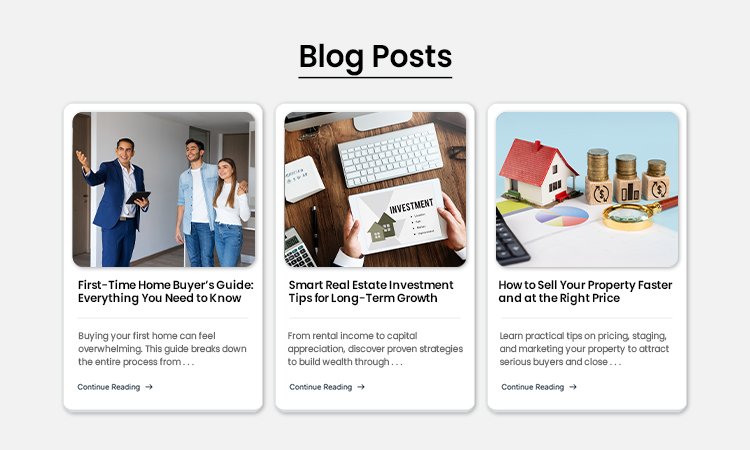
In order to break down the complex buying and selling process of properties, real estate developers must develop detailed step-by-step guides.
Blog posts are a great way to educate your customers on various topics related to buying and selling properties. The major benefit of having a real estate-focused blog post is that you can use it to optimize for SEO.
Best Practices to Develop Blog Posts:
- Choose Topics Carefully: To create blog posts that are valuable to your customers, you must choose topics that clearly address the common concerns of your customers and discuss complex property buying and selling procedures in an easy-to-understand way. For example, “Common Construction Challenges and How You Can Solve Them,” or “Benefits of Buying Pre-constructed Properties.”
- Provide Correct Information: Real estate developers must make sure all the information they have included in their blog posts is relevant, verified, up-to-date, and thoroughly reviewed by experienced real estate developers.
- Leverage Easy-to-read Language: Real estate developers must always incorporate patient-friendly language in order to make it easier for customers to read the blog. Avoid using any complex technical words or jargon, as you might confuse readers.
- Focus on SEO: Writing high-quality blog content is not enough; you need to optimize it for SEO by implementing relevant keywords like “best real estate developers near me” or “real estate developers in Norway” to make sure it ranks for relevant searches and reaches the right audience.
- Visual Content
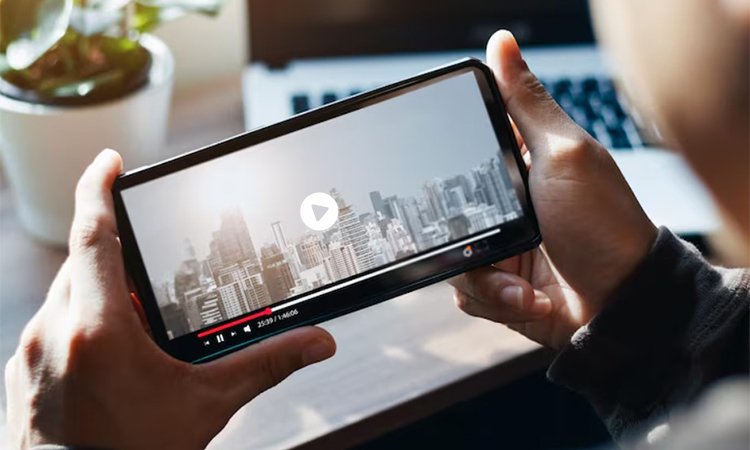
As a real estate developer, you must try to create visual content by showcasing the property you are selling. Instead of just focusing on word content, real estate developers must tell their story through images and videos of the unique features of their properties.
First impressions can make a huge difference in real estate. In fact, content with relevant images gets 94% more views than content without images. This makes it crucial to ensure that your real estate content contains images that clearly portray your brand.
Best Video Content Practices
- To ensure successful real estate PR, development businesses must create short videos, such as client testimonials, or leverage images and videos to showcase the unique features of the properties they are selling. They can also answer common customer queries related to property buying and selling, and provide quick and valuable tips that can engage more customers.
- Ensure that the images or videos you use are of high quality, and that your videos include clear audio.
- You can share your videos or images on various platforms, such as your website, social media channels, and YouTube, to successfully promote your business.
- Virtual Tours
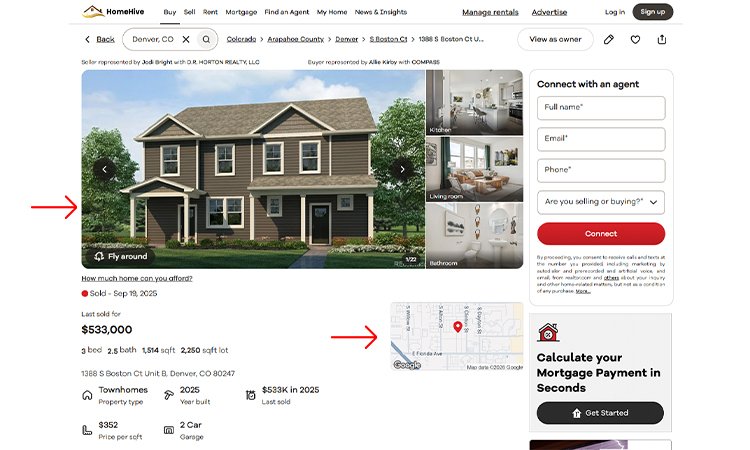
Virtual tours can play a crucial role in the real estate industry. By giving your potential customers a sneak peek into the interior of your property or the building process, you can easily capture the attention of people who were not actually looking for properties to start with or property buyers who might have completely overlooked your first listing.
Here are some of the best practices for virtual tours for real estate developers:
Pre-production Staging
- De-clutter and Deep Clean: Remove any personal customer information, clutter, or cords to help customers or property buyers visualize themselves in the space.
- Stage Strategically: Use unique features of the property to offer scale and context, especially in cases of empty units.
- Properly Optimize Lightning and Flow: When filming a virtual tour, make sure all the lights are turned on, open blinds to let the natural light come in, and make sure all the doors are open to create more space.
- Plan your Shots: Walk through to determine the best angles and showcase major features like the view from the balcony, or the amenities they will get.
Production and Technology
- Incorporate High-Quality Visuals: Real estate developers must use 360-degree cameras to achieve complete, clear, and eye-catching views.
- Leverage Interactive Elements: Use clickable hotspots with images, texts, videos, and audios to provide details on special features.
- Integrate Maps: To make it easier for your customers to determine where the property is located, you may consider embedding maps in your virtual tour as well.
Promotion and Exceptional User Experience
- Optimize for Mobile and User-Friendliness: With the majority of people accessing the Internet through their mobile phones, real estate developers must make sure their virtual tours load seamlessly, even on small screen sizes such as smartphones. This is crucial to ensure a user-friendly experience.
- Storytelling and Consciousness: Real estate developers must make sure to keep their video tours as brief but informative as possible (appx. 3 to 5 minutes). Present the property in an engaging way so that more customers take an interest and interact with it.
- Optimize for Sharing: Make sure to embed your virtual tours on your website with powerful SEO, social media teasers, and share through WhatsApp or Email.
- Call-to-action: Make sure to include clear next steps, such as “Download brochure,” or “Schedule a live tour”, right below the virtual video to clearly inform your customers how they must proceed.
- Client Testimonials
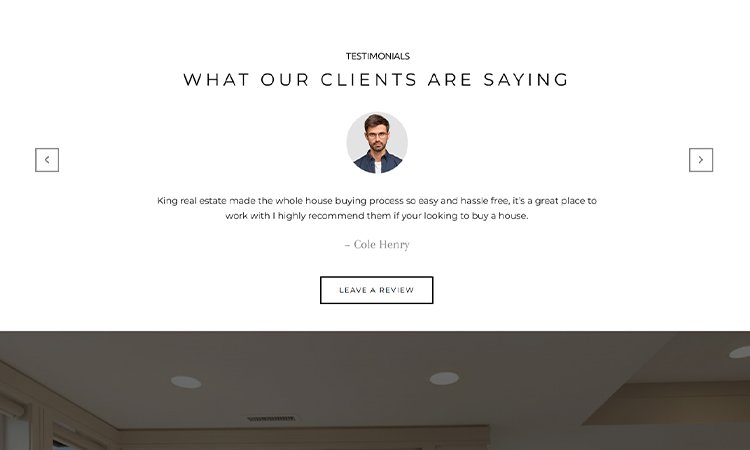
The majority of content ideas include engaging your existing customers or clients. Real estate developers can leverage the reviews or testimonials from them to attract new clients/customers.
Always remember, your existing customers are your biggest promoters. By including real quotes, making them share their experiences with your business in the form of client testimonials, you can easily foster trust among your potential customers. However, getting them to share their experiences is quite a task, so here are some best tips for video testimonials.
Collect Testimonials
- Real estate developers must start by asking them basic questions like, “What problem did we solve?” and “How did our services help you?”
- Make it easy for them to answer your questions by providing them with a structure to follow.
- Leverage video testimonials rather than simply using images, as they are much more effective than static or image testimonials.
- You can also leverage feedback from surveys to find patient testimonials.
- Make sure to take consent before using the video testimonial for marketing purposes.
Create Effective Testimonials
- Now that you have gathered all the necessary details that you require to create effective client testimonials, start creating them.
- Rather than being too salesly, real estate developers must focus on the problems a particular client was facing and how their products/services helped them resolve them.
- Try to be authentic, which means let the client speak for their own tone or language rather than providing them with a previously written script.
- Make sure to incorporate storytelling. Real estate developers must structure their client testimonial as a short narrative like before>problem> solution>result.
- Rather than stretching it with unnecessary details, real estate developers must keep it short, offering only the necessary details. These are perfect to gain quick leads.
- Guest Posts

These are the types of articles that are written and published on other authoritative real estate websites or blogs. Guest posts are one of the most important strategies of effective real estate pr and can help reach new audiences, establish authority, and achieve high-quality backlinks.
Not only that, but creating high-quality guest posts can also help real estate developers position their business in a prominent place in the real estate industry.
But how can you execute guest posts effectively? Here’s how.
- Research Sites: Real estate businesses must find high-authority and relevant sites with audiences that align with their target demographics. You can look for “write for us” or any contributor guidelines.
- Develop a Solid Pitch: In order to create a strong pitch,
- Personalize it; make sure to show that you understand their content.
- Offer 2-3 authentic and valuable topic ideas that are relevant to your customers.
- Provide short bios, links, and headings to your best work.
- Create High-Quality Content: For creating high-quality content for your real estate business, developers must
- Focus on insights, value, and helpful tips and not just on sales pitches.
- Personalize your tone and site to the host site where you are posting the guest blog or article.
- Real estate developers must include internal links to their content (if allowed).
- Engage with Customers to Promote: In order to effectively engage with potential customers and promote their business, real estate developers must
- Respond to every comment on your post.
- Make sure to share the published article across your own channels.
- Build a relationship with the editor for future opportunities.
Organize and Host Real Estate Events to Interact with the Community
From showcasing open houses to available properties, hosting events will elevate the excitement of what is out in the real estate market, as well as help you successfully connect with prospective clients. So, real estate developers must plan their events strategically, send out invitations, and incorporate these opportunities to showcase their properties while establishing a reputation online.
Hosting engaging and memorable events can leave a lasting impression on your customers or clients that will keep them coming back to your business and position you as a trusted business in the industry.
Before we start discussing how a real estate developer can host effective events to get the attention of the press and potential customers, let’s discuss the types of events that real estate developers can host.
- Educational Workhops: For people who are buying homes for the first time, real estate developers can conduct seminars, discussions on market talks, and investing in basics to position their business as experts.
- Dedicated Previews: Create content like VIP tours, construction tours, or “first look” events for influencers, investors, and media.
- Community-Focused Events: Real estate developers can sponsor local real estate events, project-related community events, as well as charity drives to gain the trust of potential clients and customers.
- Host Influential Parties: You can host parties such as grand openings or showcase the unique benefits of a property, as well as next-gen celebrations.
Now, let’s discuss the major PR strategies that real estate developers can implement to host successful events.
- Storytelling: Real estate developers must develop an engaging narrative surrounding the property’s unique features, vision, amenities that will come with it, and how it’s beneficial for the environment.
- Visualize your Events: Share high-quality videos, images, 3D visuals, and virtual tours to showcase your property clearly.
- Engage with Media and Influencers: Real estate developers can invite renowned niche-specific journalists, influencers, and bloggers and provide them with press kits as well as exclusive access.
- Digital Promotion: Make sure to promote your real estate business heavily on social media like Facebook and Instagram with live sessions, local listings, and teasers of new properties available.
- Direct Outreach: When hosting events, real estate developers can send out personal invitations through email, texts, calls, and even local postcard drops for residents located nearby.
- Post-Event Follow Ups: After the event, real estate developers must share client testimonials, highlights of the event, and continue engagement online to maintain momentum.
Build Strong Media Relationships
Establishing robust relationships with journalists, editors, and media outlets goes a long way when it comes to real estate PR. This strong bond can help real estate developers get more features and mentions, which can be exceptional during a PR crisis.
These mentions and features can help pitch experienced real estate influencers and renowned media outlets in order to successfully enhance your brand awareness and reach the right audience easily.
Here’s how real estate developers can establish strong connections with renowned media outlets.
- Become an authoritative source: In order to position your business as an authoritative source, real estate developers must offer authentic market reports, helpful insights, and data trends to journalists for their stories.
- Determine their Niche: To start, real estate developers must research journalists to identify their specific areas of interest and personalize their pitches to their coverage, rather than sending out generic press releases.
- Be Reliable and Responsive: Real estate developers must respond to queries of the media promptly and professionally, and offer high-resolution visual elements like drone footage, photos, as well as requested information quickly in order to meet deadlines.
- Provide Exclusives: You must provide journalists with access to interviews with a major spokesperson, exclusive niche-specific information, and tours of available properties. This establishes trust, increasing the chances of journalists covering your story.
- Interact Socially and Professionally: Real estate developers must follow journalists on platforms like X and LinkedIn, and meaningfully engage with their content, considering likes, comments, and shares to stay visible.
- Build Long-Term Connection: Building relationships takes time. In order to foster strong bonds with media professionals and renowned journalists, real estate developers must maintain regular and polite communication as well as express genuine gratitude for covering their business.
Highlight your Client Success Stories
Showcasing your client success stories and testimonials is a great way to foster trust and credibility among your potential clients. Testimonials are very impactful PR tools, as investors and buyers often consider others’ positive experiences when making a purchasing decision.
Sharing these success stories through various online platforms like websites, press releases, and social media can help develop a narrative that conveys expertise, reliability, and exceptional services.
Whether you have assisted a family in buying their first home or helped an investor secure a profitable property, client success stories can help real estate developers develop a tailored story that clearly reflects your business’s influence. To make your success stories more engaging and add credibility, you must include images and names of real clients and specific details about how your business has helped them.
Create the Narrative
- The Challenge: When crafting success stories, make sure to state the most important thing. What problem did the client face? For example, a bad location or complex infrastructure.
- The Choice: Now, add why they chose your real estate development services over others?
- The Solution: This part of your success story will include how your team specifically solved their problem.
- The Outcome: Showcasing the outcome of your work is crucial for effective real estate pr. So, real estate developers must clearly convey the success, such as offering clients a better lifestyle, enhanced property value, and showcase the emotional outcome (e.g., family happiness).
Collect Content and Testimonials
- Interviews: Real estate developers must conduct in-depth interviews with satisfied clients, agents, and partners.
- Visuals: Make sure to capture high-quality videos or photos of the client in the new space and capture their experience as well.
- Written Testimonials: Ask them to share some short and powerful testimonials or quotes that you can use across various online platforms.
Distribute and Repurpose
- Website or Blog: Real estate developers must feature full case studies along with high-quality visuals and in-depth context.
- Social Media: Craft short video clips for platforms like Instagram and Facebook, engaging infographics for LinkedIn, and share appealing highlights.
- Marketing Materials: Real estate practices must make sure to embed their client testimonials in presentations and brochures as well.
- Email: Share your success stories via email newsletters in order to nurture leads.
Emphasize Emotion and Trust
In today’s world, gaining the trust of your clients and customers is the most important aspect for your business, driving it towards success.
- Leverage Storytelling: Real estate developers must frame their success stories as their clients’ “Hero Journey” in order to foster an emotional connection.
- Authenticity: Rather than simply telling, focus more on showing proofs, how you deliver promises, establish trust, and build expertise.
Common PR Mistakes that Real Estate Businesses Must Avoid
Public relations is not as easy as it sounds. Many real estate businesses often take it lightly and end up making a mistake. However, we do not want you to repeat the same mistake, so here are some common PR mistakes to avoid.
- Poor Communication Strategy During Crises
If you wish to establish yourself as an authoritative real estate developer, you must have the potential to handle a crisis situation effectively and respond to it swiftly. No matter how hard you try to avoid a crisis, it may come unwarned.
A lack of a proper communication plan can lead to delayed and poorly managed responses, which can escalate a crisis.
To avoid this, real estate developers must respond to any comments and mentions promptly and professionally, as well as provide true facts rather than engaging in verbal quarrels online. In case of any unfavourable comments, make sure to always approach them calmly and respond humbly to beat the crisis.
- Ignoring Long-Term Reputation Building
The majority of real estate developers treat public relations as a one-time approach. They often set it and forget about it. Even though it can save money in the short term, it may have long-term consequences.
Real estate pr is an ongoing process and can offer more credibility, but only if consistency is maintained. Always remember that your real estate business is a tool that can help you build trust and authority to attract more brand partnerships and followers. So, in order to avoid this mistake, real estate developers must invest in long-term reputation building rather than looking for short-term results.
- Lack of a Proper Press Kit
A lot of real estate businesses do not invest in press kits. Press kits are a collection of promotional materials that real estate providers can offer to journalists and media professionals. These kits usually contain all the necessary information about a business’s journey, success, and achievements.
By sending these press kits to media outlets, so that they publish compelling articles and stories about your business without any delay or error. Furthermore, having a press kit in hand can save you from repeating the same things about your business journey again and again.
- Inconsistency in Brand Messaging
Sending inconsistent or robotic messaging across various platforms might confuse your audience and make the brand look unorganized, eroding the trust of your target audience.
In order to avoid this mistake, real estate developers must create detailed brand guidelines that clearly outline the core mission, vision, values, and tone of your company.
Train your team or staff on these key guidelines. Not only that, but real estate developers must make sure that every piece of information, from a social media post to a press release, aligns perfectly with the established messaging.
Why Must Real Estate Businesses Partner with a PR Agency?
Let’s face it, not everyone needs to be good at everything. As a real estate developer, you might be familiar with handling land acquisition, construction, and design, but you might not be familiar with how to do PR for your business. In this case, letting an expert handle it is the wisest decision you can make. So, here are a few ways in which a PR agency can help a real estate business.
- Develop the Right Brand Messaging for your Real Estate Business
A PR agency works closely with real estate development businesses to clearly define and refine their brand’s story for successful real estate pr. These agencies can help create an engaging story that resonates well with target audiences, helping you to set your brand apart from your competitors.
This guarantees that all your external communications, whether it is a press release or a blog post, are consistent and perfectly correspond to your business goals.
- Enhances Brand Awareness and Recognition
A good PR agency can help real estate developers secure brand awareness in renowned media outlets, significantly enhancing the brand’s visibility among prospective investors and clients.
In contrast to paid advertising, earned media, such as a feature article in a local journal, often carries more credibility. This builds a robust foundation of trust and recognition.
- Position your Real Estate Business as a Leader in the Industry
PR agencies often help real estate developers identify opportunities for real estate professionals to share their expertise. This might include securing speaking engagements at important conferences or submitting articles with proper credits in trade publications. These activities build a company’s authority and leadership, making it a go-to source for someone who is looking for real estate insights.
- Help Bring New Leads and Clients
The main goal is PR is communication and reputation management. Better brand awareness and an authoritative position can lead to business growth. By establishing a positive reputation and guaranteeing that your real estate development business is top-of-the-mind when clients are ready to buy, sell, or invest. An experienced PR agency can help you generate high-quality leads and ultimately drive new client acquisition.
FAQ’s
Ans. A successful PR plan for a real estate developer consists of establishing strong relationships with media outlets, effective crisis management plans, a well-developed content strategy, and thought leadership.
Ans. During crisis situations, effective PR strategies can help real estate companies by swiftly controlling the narrative, fostering trust through transparency, preventing the spread of misinformation, and developing proper recovery plans.
Ans. A robust social media presence can significantly help shape public perception; however, it cannot be replaced by effective public relations strategies. Public relations can help build strong relationships with renowned journalists and media outlets in order to achieve third-party validation that helps build credibility and reach a wider audience.
Ans. Yes, public relations for real estate does include media. Media relations is the core element of the majority of PR plans. You can leverage media outreach to support bigger PR goals. For example, you can organize interviews to ensure that your target audience knows about the availability of your new property, or leverage a press release to directly address a crisis situation.
Conclusion
In the fast-paced real estate industry, the competition is getting fiercer with time. In this situation, standing out and getting the attention of the right customers has become harder than ever. By implementing advanced real estate pr strategies, you can not only enhance your visibility in the market but also establish long-term relationships and foster trust among audiences. From creating a press release to hosting an event, every PR activity you perform can help you gain brand credibility, positioning your business as an authoritative source in the real estate market. In case you are starting out and are unfamiliar with the technicalities of public relations, you can perhaps partner with a professional PR agency.
