




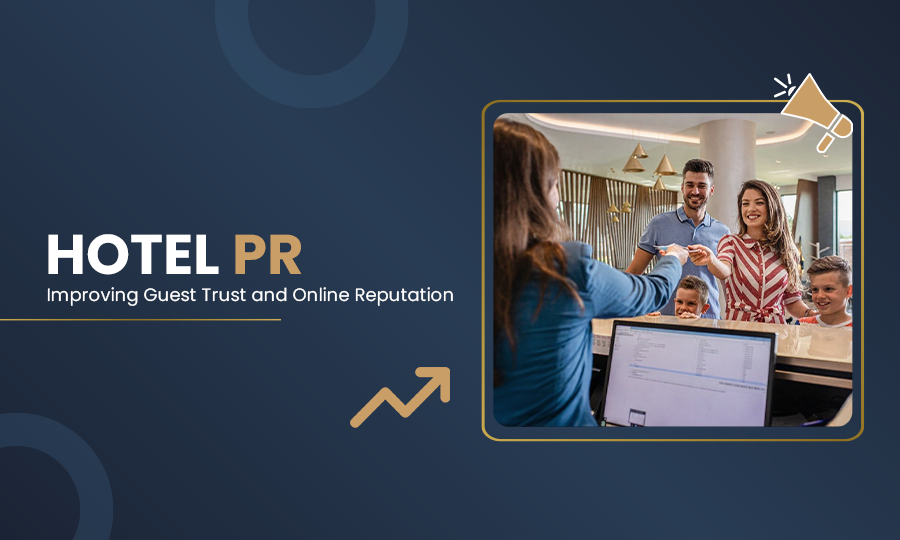
The reputation of a hotel is what crunches or builds its business in the modern digital world. Guests’ trust is not gained on the very first day of opening the door, and it cannot be retained solely via advertisements. Public relations is an important component of hospitality success because 97 percent of travelers check online reviews before making a reservation. The pre-arrival perceptions of guests towards your hotel are the main factor in determining whether they will book with you or not. So in this guide, we will see how smart hotel PR strategies foster guest trust and an improved online reputation to save money while keeping the hotel alive online.
Understanding PR for Hotels
Hotel PR refers to the delicate handling of your hotel image, reputation, and relationships with everybody who is talking about you. PR builds credibility and trust, unlike marketing, which attempts to sell with advertisements, word of mouth, and proactive efforts to manage bad news. At the end, it is all about gaining trust rather than forcing sales on skeptical individuals.
In the hospitality industry, PR influences the way in which your customers will think about your property before they step in. It helps in determining who books your service, the amount they are willing to spend, and their level of loyalty. Good PR narrates the story of your hotel in a way that emotionally resonates with guests who are most likely to make a reservation.
Why PR Matters for Hotels More Than Ever?
Nowadays, travelers’ decisions are influenced by digital transformation. Online reviews have become as important as verbal recommendations. Studies claim that 81% of tourists always check reviews and nearly 79% will look at 6-12 reviews before making a reservation. Because of this trend, your PR plan has a direct influence on the number of rooms sold, the revenue you make per room and the rate you charge per day.
- Brand Credibility and Trust
Public relations is key in establishing the level of trustworthiness your brand offers to potential guests. Positive media exposure, consistent messaging and visible reactions to reviews are all indications that your hotel is professional, accountable and guest-focused. Over time, this helps build brand credibility – guests feel safer choosing you over a competitor they hardly know.
When you have your hotel mentioned in recognized publications, association, newsletter or high authority travel blogs, these third-party endorsements are “trust shortcuts”. Travelers that see your property featured and/or quoted are more likely to get the perception that your property is reliable before they are even at the booking stage.
- Guest Decision-Making Impact
Because there are so many readers who read several reviews before booking, your online reputation suddenly becomes a deciding factor, ‘not a nice to have’ strategy. Strong PR helps to ensure that what people see – reviews, articles, social media mentions and Google results – creates confidence, not doubt.
This influence is not limited to whether guests make reservations or not. It is also a factor in what type of room they are interested in having, how far in advance they are willing to commit and whether they are willing to pay a premium. When your brand reputation is positive and consistent, guests are more comfortable in taking higher-category rooms or longer stays because they are confident that they will receive the experience they are looking for.
- Reputation and Review Management
The impact is not limited to bookings themselves. According to Cornell University and Harvard Business School, a 1-star increase in your review rating can increase revenue up to 9%. As you improve the ratings, you can charge more without losing guests, but this benefit will accumulate with time.
Effective PR and review management are also effective for strengthening search visibility. Positive media coverage means backlinks, which indicate reliability to search engines and help your hotel to rank higher in Google. Higher rankings result in better booking inquiries, more revenue and ultimately more budget to reinvest in Pr and improvements to guest experience.
Strategic reputation management to help shift bookings away from online travel agencies or OTAs, towards direct channels. Favourable coverage and authentic guest reviews help to create emotional trust in your hotel and guests will be willing to book through your website instead of OTAs that take 15-25% commission. Over time, this leads to better profitability, lower marketing costs and sustainable revenue growth.
Proven Strategy to Build a Winning Public Relations Plan for Hotels
1. Multi-Channel Monitoring Strategy
In 2024, it has been seen that there has been the highest record of review postings by guests. On TripAdvisor, Google, Booking.com, and Expedia. Hotels.com, Airbnb, Facebook, Instagram, Reddit, YouTube, and thousands of blogs about hotel reviews, your reputation exists. Watching just one or two channels simply results in the loss of valuable feedback and a chance to interact with prospective guests who could be influenced by your responsiveness and professionalism.
The great reputation monitoring will be achieved through a comprehensive method that unites various platforms into a single workflow. Create Google alerts with your hotel name, brand name, and the address of the property. Work with special media monitoring tools such as Brand24 or Mention to monitor brand mentions on social media, blogs, and in the news in real-time. Divide and conquer – reputation monitoring should belong to one individual or a department to provide a coherent and immediate reaction to suit all channels.
Develop a daily monitoring list: review key sites by 9 AM, watch social media mentions and direct messages, detect reviews that need reply (negative ones first), and resolve any emerging problem immediately. This preventive measure helps in ensuring that even minor grievances do not turn into PR crises that may cost your business so much. Record all that in a central system to make sure that all team members have access to information and can act with the brand voice.
2. Trend Identification and Sentiment Analysis
Sentiment analysis is not just tallying good and bad reviews. It includes recognizing trends in the guests’ feedback to get a better idea of what is causing their satisfaction or dissatisfaction. For example, if 30% of recent reviews talk about a slow check-in process, then that is a useful operation intelligence and PR opportunity when you correct it and communicate it.
Provide tools in which feedback is sorted based on topics: Cleanliness, Service, Amenities, Value, Location, Technology, and by Department, e.g., housekeeping or front desk. Here, you need to notice trends immediately. Maybe it is possible that your breakfast service is getting regular applause when competitors get complaints, or maybe it is your wifi being clogged with complaints all the time and your customer service being applauded. These patterns will tell you where to concentrate your efforts on improvement and what messages will work best with your future guests.
A real example of this approach is from Petit Palace Hotels in Spain, who used semantic analysis of feedback from their guests to guide investments. By identifying repeating complaints about in-room technology and WiFi, they prioritized in-room technology upgrades such as new smart TVs, premium content and improved connectivity. Combined with an increased response rate to reviews and active requests for feedback, some of their properties experienced up to a 200% increase in revenue along with enhanced reputation scores and visibility. This is a great example of how identifying and following sentiment trends could be translated directly into improved guest satisfaction, positive reviews and increased revenue.
Moreover, timing is the strength of trend recognition. You can leverage this opportunity by detecting a complaint early on and correcting the problem before it goes viral. This turns the possible reputation loss into a PR opportunity because of your responsiveness and dedication to change. Record your feedback and capture images or videos of improvement in order to influence more on reputation perception and future guest confidence.
3. The Action Plan Based on Guest Feedback

Any operational and communication plan ought to be shaped by guest feedback. Make a simple impact matrix: The problem will be listed on one scale (high impact to low impact on guest experience and frequency will be listed on the other scale (mentioned daily vs. occasionally). Those issues that seem to recur and have a profound impact on the satisfaction of the guests should be addressed and prioritized immediately before they are discussed in other reviews.
Create an action plan:
- Process feedback to understand underlying causes (not symptoms),
- Engage the department in a new resolution,
- Introduce changes with a realistic schedule,
- Educate personnel in new practices, and last but not least,
- Notify guests about the new changes.
When you post feedback publicly and describe what you have done to fix the problem, your future potential guests can notice that your hotel listens and that it is improving based on actual guest complaints and feedback regularly.
Let’s say guests complain about room temperature; do not simply say you will fix the situation. Justify the action: ‘We are retrofitting all thermostats with smart systems to allow the guest to control the preferred temperature remotely via their phones’. Such specificity about the upgrade creates a great deal of credibility with subsequent guests. Follow up by asking about the upgrade in the subsequent review responses, and tell them to leave feedback on how the experience can be when using better systems on their next visit. This presents a positive feedback mechanism wherein you deliver accountability and improvement.
4. Online Review Management: The Backbone of a Strong Hotel PR

- Review Response Strategy
How you react to reviews directly influences the rate of conversions and the way guests see your property management. According to a study byTrustYou, hotels with higher review scores are 3.9 times more likely to be hired at the same price. However, what counts the most to convert here is your reaction to the review as a professional. The properties that get 40% or more reviews are rated on average 4.05 stars, whereas properties that get 50% or more get 6.4 stars, which leads to greater occupancy rates.
Prep response templates for each case; however, make each unique and genuine. When it comes to five-star reviews, compliment the guest by mentioning what they said about the hotel (the spa experience that they enjoyed, the restaurant menu that they liked) and make a specific offer to bring them back to the hotel. This magnifies the good feeling and indicates to prospective readers that you do care about the guests’ feedback and that you do take notes that are personally important to them.
In case of negative reviews, you must respond by admitting to a particular issue, be apologetic, describe what went wrong (where relevant, to build trust), and provide a tangible solution. The objective here is to demonstrate to the potential guests that you can deal with issues professionally and are committed to finding a solution. A good reply to a negative review may even be considered a trust-building move because it shows a sense of responsibility and sincerity about getting better. 40% of customers anticipate a response from brands in under 1 hour, and 79% expect a response within 24 hours.
The timeliness of response is important to reputation management. Target 24-48 hours response when the experience of the guest is still fresh and his or her review is less visible and active. Rapid feedback depicts proactive management and dedication to the guests’ satisfaction. Here, reputation management software will come in handy. It will help bring together all reviews on various sites and provide rapid and more coherent responses over the whole portfolio.
- Creating Good Reviews Systematically
The majority of hotels have a problem related to review volume, which is their main impediment to reputation and competitive distinction. Customers who received quality services hardly consider any reviewing, unless and until someone persuades them to do so and provides a convenient way. As78-80% of guests report that they are willing to leave a review when requested, so systematic generation of reviews is a key constituent in the creation of review volume and competitive power.
Adopt a multi-channel review request strategy that has a high response rate. Sending email campaigns 24-48 hours following checkout is the most effective time because people who receive messages reply to review requests effectively. Add SMS notifications for tech-savvy guests and have QR codes in guest rooms with visible signage. Make the process easy- give direct links to the review platforms instead of guests having to search individually and go through complex web searches.
Develop varied messages regarding various experiences and guest segments. Premium suite guests need a personalized request over the regular room booking. Recognize what contributed to their stay being unique and why their particular feedback is important: ‘ As a guest in the luxury suite, your feedback regarding our upscale amenities will assist us in our pursuit of the standards. ’ By showing that you care about their unique experience, you will get a much better response rate and have better-quality reviews.
- Representing Reviews as Trust Signals
The best reviews should be displayed in as many marketing channels and touchpoints as possible. Include actual testimonials on your home page, email messages and other social media pages. Stretch yourself more: add review schema markup to your website. This structured data instructs Google on how to read and present your rating in the search results and boosts click-through rates by organic search tremendously.
Take advantage of your Google Business Profile; this is the location where guests finalize a booking decision. Respond to every review here, upload new pictures in a week and update people regularly on facilities or activities. Reviews on Google Business Profiles are often what influence the final booking decision of the travelers. That means this will be the last opportunity to make them accept a booking at your property.
Add high-rated reviews to marketing resources strategically across customer journeys. A potential guest who reads “Exceptional service and attention to detail” directly on your booking page will create a feeling of confidence and less mistrust in making a booking. There is nothing more convincing than a video testimonial by real guests. Think of designing regular, monthly video testimonial content where previous guests talk about their best times and why they decided to come to your place.
5. Managing PR Crises Before They Damage Your Hotel Brand

- Determining Potential Hotel PR Crisis
PR crisis within the hotel sector consists of service failures, accidents, viral negative reviews, staff misbehavior, discrimination claims, or health violations. Most crises, however, do not occur abruptly; there are some with advanced warnings that you can identify and work on before they become a real crisis.
Keep an eye on possible warning signs:
- Unusual occurrence of negative reviews (50% more one-star reviews in a week),
- Negative trend on social media,
- Press deliveries about your property, or
- Staff notice any major guest incidents.
Trending social media mentions (when your hotel name is trending locally in particular) demand timely investigation and response. A negative story on the local news can be transmitted to the national outlet when it is not addressed.
Design a crisis alert system with certain triggers. Define:
- X negative reviews on Y days will cause a level-one alert,
- Any media inquiry related to safety or cleanliness will alert owners
- A single guest complaint related to discrimination will trigger a legal review resulting in management escalation.
As triggers occur, go straight to the top management and communication leader instead of wishing that things will end by themselves.
- Creating a Crisis Response Playbook
The response to the crisis period is 24-48 hours. What you say or fail to say during this period determines the whole story and whether the situation will rise or fall. Having a crisis response playbook on hand means you are ready before things start going wrong and avoid difficulty in your emergency response, causing confusion, which results in poor communication.
In your playbook, you should have:
- A decision tree on how to measure the severity of a crisis and the level of response that is appropriate,
- Pre-known crisis messaging template to use in specific situations,
- Hierarchy of communication explaining who is authorized to make what statements,
- Contact information of key stakeholders such as owners, legal counsel and insurance providers
- Finally, a social media response policy.
Also, create templates based on typical situations: foodborne illness claims, negative publicity, discrimination claims by guests, property damage claims or staff misconduct claims.
But, above all, determine who is to speak on behalf of your property. Train 2-3 spokespeople on how to do media relations, crisis communication and your brand voice. Poor messages throughout a crisis create even greater problems. When one employee speaks to the media left and another employee speaks to them right, there is absolutely no credibility. A single trained spokesperson will avoid conflicting messages that kill brand trust and reputation.
- Negative Feedback into PR Opportunities Crisi
When managed properly, a negative review can be much more effective in developing trust than a positive one. Travelers also gain confidence in your ability to solve problems when they learn that you took care of complaints of a former guest in a professional and comprehensive manner. This shows responsibility that no other marketing messages would have.
Apply the acknowledge, apologize, explain, resolve, and follow-up model. Accept the frustration of guests, apologize earnestly about their experience, briefly describe what went wrong, list specific actions you have taken to ensure this doesn’t happen again and offer to get in touch personally. Be specific in your response: ‘We have retrained our front desk crew on procedures at the check-in desk and have added more phone lines. ’
Publish your crisis response and recovery. You are creating a story of accountability and competence when you communicate improvements after resolving a serious problem successfully. Hotels that publicly address viral complaints, convert them into 40+ positive reviews, as those who have interacted with them value their hotel admits to their error and correct them in a systematic manner. The transparency, per se, becomes a competitive edge in developing confidence in the guests.
6. Integrating Media Relations and Thought Leadership Into Your Hotel PR

- Building Relations with Travel Journalists and Influencers
Earned media outlets, such as journalism and publications, are more credible than any paid advertisement. When a travel blogger tells people about your hotel, that third-party recommendation is far more persuasive than any ads. A feature in a national travel magazine is worth hundreds of thousands, which is equivalent to any advertising. Why? Because of the credibility factor.
Find bloggers and journalists who write about your destination or the type of hotel you are in. Essentially, use platforms such as Muck Rack or HARO (Help A Reporter Out) in order to get relatable media on the hunt in search of sources and story lines. Make it personalized, make it look like you have read their work and know their style. A generic press release requesting coverage will be neglected on the spot. Customize notes about why your particular property or story angle will work on their page to get an instant reply and coverage.
Prepare a media kit :
- High-resolution images of your property and services,
- General information about your hotel,
- Ownership and leadership data,
- Recent success and awards, and
- Certification of sustainability, if applicable.
Make media outreach hassle-free by telling journalists all the information they need to write about you without having to follow up occasionally. Journalists today work under tight deadlines – the more you work, the more likely they are to feature you professionally.
Form relationships slowly. A travel blogger may mention your hotel when writing a general article. They put you on the frontline months later when they are writing a trend piece about sustainable hospitality. These partnerships are long-term but yield successful media coverage over the years. Constant relationship building is better than periodic aggressive pitching.
- Thought Leadership for Hotel Brands
Be the leaders by placing your leadership team at the top as experts in the industry to further leverage your brand authority and media exposure greatly. A general manager who writes bylined articles on sustainable hotel operation, a personalized guest experience, or post-pandemic hotel recovery acquires authority and media coverage. Publication requires professional opinion, so your GM can emerge as the expert in hospital trends.
Build executive presence systematically :
- Write articles on LinkedIn about the industry,
- Offer opinion pieces to the hospitality trade publication, such as Hotel Management or Hospitality Technology Magazine,
- Be present at hospitality conferences and industry panels, and
- Be a guest on an industry podcast discussing your areas of expertise.
Each thought leadership creates backlinks (vital in SEO), brand recognition (fundamental in reputation) and media connections (vital in coverage in case you need it).
Talent is also lured to your property because of thought leadership. Once the industry professionals notice your leadership team addressing conferences and releasing insights, your hotel becomes a destination where people can enjoy excellence and where they can pursue professional development. This enhances your brand as an employer, so recruitment becomes simpler and you can easily attract experienced talent. Most talented individuals desire to work under leaders and organizations they trust.
- News Announcement and Press Release
Not all hotel news is worth a press release; save it for some really fresh news that will be an attraction and interest to the journalists. Some valid reasons to have a press release out are:
- Major improvement made to a property
- An extension or addition of services or amenities in that industry
- A major award or recognition,
- Major collaboration or investment,
- Community events or philanthropic activities, or
- Change in leadership
Regular announcements are not news but an overdone spam for journalists.
Produce releases that talk directly to the journalist instead of creating a marketing piece. Use the most interesting angle first – not that your hotel has undergone renovation, but what the renovation means to your guest and the industry in general ( a new wellness center due to the rising popularity of wellness tourism). Add quotes on the leadership on why this is good business, or why it may have had an impact on the guest.
Give the news out tactically and not to all the contacts. Post releases to reporters who report on hospitality in your areas, post on your newsroom, and optimize with location keywords and details about your property and interest phrases. When journalists use your press releases, it creates backlinks, and this assists your SEO authority. Monitor what kind of release attracts media attention and change your strategy according to the coverage that journalists actually focus on.
- Hosting Press Visits and Media Familiarization Trips
Press visits and media familiarization tours represent the experiences that enable journalists and travel influencers to experience your hotel directly. Instead of pitching about your property, you are taking them through your world, the atmosphere, the level of services offered and the guest experience. When journalists visit your property, they become your promoters as they have themselves tasted what you have to offer.
Arrange press visits. Find 3-5 influencers or journalists who hit your target audience every year. Book them during the off-season when the hotels aren’t fully booked so that you can provide them with premium accommodation. Give free accommodations, meals at your hotel and experiences (spa treatments, guided tours, special activities). It normally costs between $500 to $1500 per visit, but returns are 3-5 quality media features that are worth $10,000-$50,000 in similar advertising.
Organize intentional visits. Develop a program that would provide a balance between free time (so that visitors do not feel too rushed through the hotel) and guided experiences that could showcase your differentiators. Schedule appointments with your GM or ownership to initiate personal relationships. Offer photography services in your most photogenic areas. Send thank you gifts and monitor published coverage per visit to determine ROI. The hotels where media people are regularly invited are always featured in leading travel magazines since they have been visited by journalists.
- Working with Hospitality Industry Associations
Hotel PR opportunities include visibility, partner mention and credibility sharing by industry associations, such as the Hotel Association chapter, Hospitality Sales and Marketing Association International (HSMAI) or destination marketing organization. Association partnerships make your hotel appear community-oriented and industry-active, which are strong indicators of reputation.
Join association committees, boards or working groups. This engagement creates references in the association communications and industry publications, like “ Collaborating with General Manager, John Smith, (Your Hotel) the committee has recently figured out the best practices to apply when recovering after the pandemic. Such mentions in associations create your E-E-A-T signals and earn media value.
Use industry-sponsored programs and educational programs. When you sponsor the annual award of an association, your hotel name is placed in the program materials, press releases and event coverage. Sponsor slots at the conference where your GM would speak about the industry issues. Once associations refer you as a knowledge partner, the third-party testimony gets authority. Moreover, association relationships lead to networking opportunities. You get to know journalists, influencers and other industry leaders who can be approached later on to cover your story.
7. Integrating PR with SEO and Digital Marketing
- How Hotel PR Improves Organic Visibility
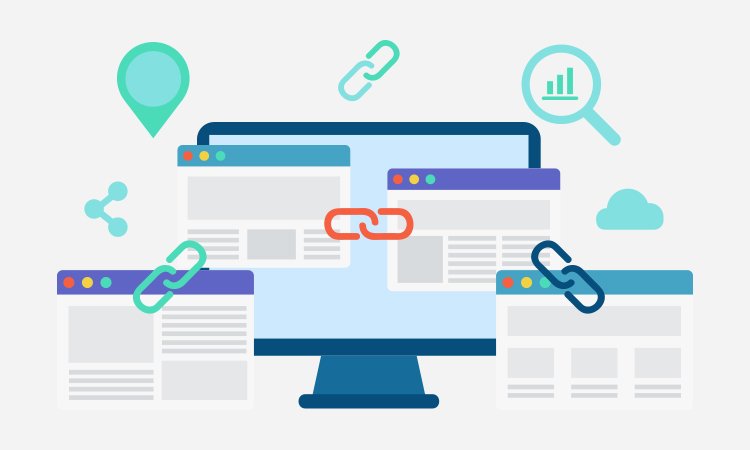
There are several ways in which your PR activities will affect search engines. When reporters talk about your hotel or property, they refer to your webpage. These are earned links, which have a lot of SEO power. Links on these sites are appreciated by search engines in terms of newsworthy information and travel magazines. The links to reputable media outlets are treated by Google as third-party recommendations endorsing your authority and reliability.
Also, favorable media coverage creates brand mentions that are not linked online. Brand mentions and brand authority are also viewed as trust signals by Google without needing links. Your hotel name appearing with or without links in a publication sends E-E-A-T signals (Expertise, Experience, Authoritativeness, Trustworthiness) that will boost your hospitality search rankings.
Local search visibility is another factor that is influenced by your reputation. Review sites are directly integrated into the local ranking systems of Google. Hotels that have higher reviews, ratings and consistent positive sentiments appear first when anyone searches “hotel near me”. This forms a strong flywheel: good PR and reputation management increases the local visibility, which leads to more bookings and organic reviews, which in turn increase rankings.
- Developing PR Backlink Opportunities
Hospitality publications, travel blogs, and destination sites provide quality backlinks that lead to direct traffic and search engine authority. These backlink opportunities should be created intentionally by your PR strategy, and you can do this by:
- Getting backlinks as a guest blogger (you write an article in a hospitality magazine where they mention your hotel with a link),
- Quoted in an article (journalists refer to your GM on a hospitality trend),
- Award recognition (feature in an award program) and
- Resource listing (destination guides include your hotel as a recommended property).
Similarly, concentrate on getting links with high-authority publications in the hospitality and travel niche. A connection through National Geographic Travel or Conde Nast Traveler has more SEO value than dozens of local blog links due to their authority in the domain. Besides, destination tourism websites’ links are topically related and very useful in optimizing local search.
Monitor the link acquisition on a monthly basis. Track new backlinks, calculate link sources, and observe anchor texts with the help of tools such as SEMrush or Ahrefs. Also, address broken links to your site and links that are posted by low-quality sources. This type of data-driven way of link building will assist you in understanding which PR endeavors will yield the most valuable SEO outcomes.
- Repurposing Content for Maximum PR Value
One media effort can be numerous marketing properties instead of being mentioned. When a travel journalist publishes your hotel in his or her national publication, that’s just one article. However, you can reuse that coverage to your benefit:
- Write a case study on a blog post,
- Develop a series on social media to discuss what the journalist wrote about,
- Send the feature to your past guest with a “we-are-in [publication]” note,
- Place the coverage on your homepage.
Awards provide such repurposing opportunities. When your hotel secures a hospitality award, it creates a press release, updates on social media, employee communication highlighting your win and banners on your homepage. Some hotels craft their own Award pages where they list all the recognition, which creates the SEO authority and conversion optimization (travelers naturally trust award-winning hotels more).
Guest testimonials represent a highly reused PR resource when strategically managed. A five-star review complimenting your spa turns into a dedicated webpage testimonial, an email marketing material sent to spa-seeking former guests, social media mentions and a quote in print. The value of every single positive experience of a guest and earned media mention is multiplied by strategic future repurposing.
- Developing Local SEO Recognition via PR
Local SEO is not limited to your Google Business Profile. Citation – mention of the hotel name, address and contact number in web directories – has an impact on visibility in local search. When the journalists refer to your hotel and provide your location in their articles, that is a local citation. Local search authority would accrue through industry directories, local media mentions, and through tourism websites.
Create a citation plan. Claim or create your profile on other high-authority local directories such as TripAdvisor, Yelp, Apple Maps, local chamber of commerce websites and destination tourism websites. Make sure that there is a consistent name, address and phone number (NAP). When you get media attention in local newspapers that contain your address, such references augment local search keywords.
Go with local coverage specifically. Travelers planning a trip to your destination are usually influenced by local travel journalists, lifestyle bloggers/vloggers and community writers. A single mention in your local newspaper or trendy lifestyle blog/vlog generates a neighbourhood citation and community reputation. Sponsor or attend local events such as charity galas, restaurant weeks, and local festivals and ensure that involvement generates local press coverage. Such local indicators provide Google with details that your hotel is well-established and is a recognized part of the local hospitality industry.
- Enhancing E-E-A-T Signals for Hotel Websites Using PR
Google’s E-E-A-T system (Expertise, Experience, Authoritativeness, Trustworthiness) is becoming a significant ranking factor, particularly in hospitality. All four signals should be built into your PR strategy. Thought leadership provides the Expertise, i.e., your GM writing articles on hotel management or sustainability. Experience comes through testimonials and media coverage, sharing real guest experiences. Media mentions and backlinks from reputable publications give a website authority. Ethical conduct and professionalism result in trustworthiness.
Insert PR signals on your website. Prepare a ‘featured in’ or ‘press &award section’ that displays media coverage and the logo of the publication where you were mentioned. Provide the links to the actual articles. As soon as your homepage shows that you are featured in ‘publication’ or ‘channel’ with their logo, it conveys an impression of authority. Besides, such authority signals as reviews, awards and media coverage should also be marked up with structured data (Schema) so that Google interprets them.
Gather and post testimonials strategically on pages related to your expertise. If your hotel is a wellness destination, ensure you showcase happy reviews about your spa and wellness activities on your wellness page. The synergy of the guest experience (reviews) + media authority (press mentions) + expert positioning (GM articles on wellness) + website trust signals (transparent testimonials) creates an overall E-E-A-T presence, which Google rewards with a higher ranking of hospitality keywords.
8. Measuring PR success through metrics and KPIs
- Key Metrics to Monitor Hotel PR Performance
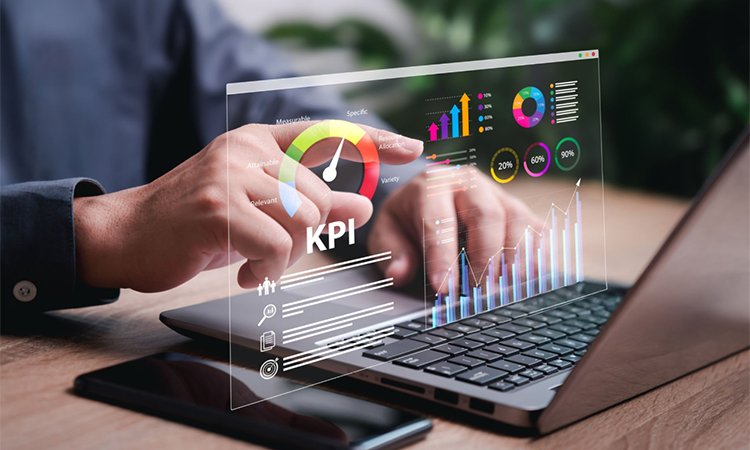
Impressions, reach, and mentions are vanity measures, which do not provide a complete picture of PR success. Instead, take measures of metrics that will link PR to business results. Volume metrics provide baseline data (number of media mentions a month, growth in the review volume, reach over social media). But more importantly, track quality: which publication mentioned your hotel (tier 1 national media vs. local blogs matter differently), what’s your average guest review rating and is sentiment trending positive or negative.
The impact metrics correlate PR to business outcomes directly. Measure media referral traffic by the use of UTM parameters on links. Track the number of people who booked through media attention by using pre-call surveys to know how they found out about you. Track ranking improvements on key hospitality keywords(a higher ranking from a higher authority correlates directly to PR success). The final measure is revenue metrics: can you trace bookings through PR campaigns? When you made a press release and the month after that, occupancy doubled, that’s measurable PR action.
- Tools and Platforms for PR Measurement
Use platform-specific tools for baseline data: TripAdvisor for Business, Booking.com Partner Hub, and Google Business Profile to track the review activities. These platforms display response rates, review trends and revenue impact directly. For real-time media monitoring on a large scale, use tools such as Brand24 or Mention to track mentions in web, social and news sources. Set up alerts for your hotel name and key executives and then analyze trends monthly.
SEMrush or Moz show improvements in ranking key hospitality keywords. Track your progress every month – are you improving for ‘luxury hotels in [your city]? Did media coverage help you to better your ranking in ‘best hotels near [landmark]? A 10-position improvement in ranking that results in additional organic traffic is proof that PR and reputation management are working for your hotel’s visibility.
Google Analytics helps you to see the whole picture. Track traffic from media referrals, platform visitors and organic search separately. Create custom reports based on how PR driven traffic is converting bookings compared to other channels. This conversion data is critical in showing the PR ROI to executive leadership.
- Reporting and ROI Communication
Executive teams require direct PR reporting that depicts business impact clearly. Prepare a monthly dashboard including:
- Media coverage amount and quality level,
- Review metrics (volume, rating, response level)
- Ranking,
- PR-generated traffic
- Estimated revenue change.
Calculate the approximate revenue attribution clearly. For example, if media coverage generated 50 visitors, and your booking conversion rate is 15% and your average booking value is $300, then that’s $2,250 in attributed revenue. Multiply that by all media sources monthly and annually to see tangible ROI.
Develop quarterly reports based on deeper analysis addressing: what PR tactics generated the most valuable coverage, which media outlets send the most qualified traffic, whether thought leadership effort generates opportunities and competitive benchmarking against similar properties. Use these insights to further refine your PR strategy regularly based on real results and feedback from the market.
FAQ’s
An in-house Hotel PR team provides greater understanding of the brand, ability to be available daily, as well as the ability to coordinate with operations and sales, which can be helpful for ongoing reputation management and internal communication. Agencies provide wider media relationships, specialist knowledge and a greater approach to campaign support, therefore many hotels adopt a hybrid model: in-house for day-to-day and then an agency for strategy, big campaigns and crisis support.
Key trends include making data-driven decisions about PR based on review and sentiment analysis, increased collaboration with authentic influencers and content creators and an increased focus on sustainability and community stories. AI-powered monitoring and personalization are also in the rise that aid hotels to react faster and offer personalization.
Early results such as upgrades in media coverage or a positive quality of reviews typically comes after 3-6 months of a steady, consistent program of PR activities. Actual results in reputation, rankings and revenue can take up to 6-12 months, as it takes time for reviews, backlinks and brand mentions to rack up.
PR should be always-on with daily/weekly activities around reviews, media relationships and content. On top of that, the majority of hotels benefit from 2-4 focused PR campaigns a year tied to key events like renovations, seasonal offers, awards or major partnerships.
Conclusion
In 2025, hotel PR is an essential component for competitive success. The trust from the consistent reputation management, media relations and strategic communication has a direct effect on occupancy and revenue. Hotels that see PR as a core business function become stronger and more profitable. If you want assistance to boost your Hotel PR, connect with an experienced PR management agency.
The road ahead demands commitment: monitoring reputation daily, reacting quickly, developing media relationships and measuring results. Strong PR creates the flywheel of positive experiences that lead to reviews, better visibility, bookings and more guest experiences.
