




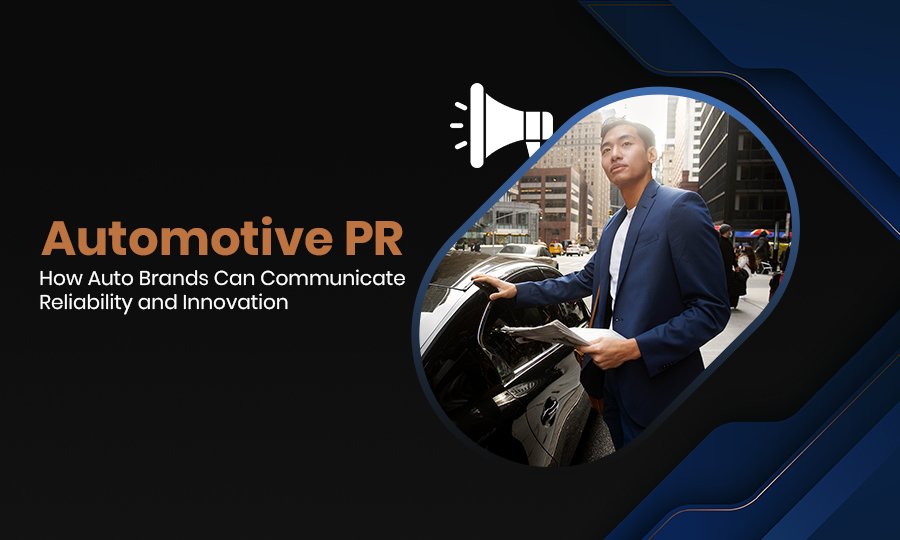
With the global automotive market anticipated to grow to a whopping US $2,450 billion by 2028, automotive pr is no longer a need; it is a necessity. Public relations is the secret behind shaping how automotive businesses are perceived online.
PR is not just about publicity; it is about creating genuine connections with stakeholders, enhancing brand reputation and driving force that pushes auto brands forward in this highly competitive market. One of the major roles of pr in the automotive sector is boosting brand awareness.
So, if you are someone who is looking to enhance their brand awareness, then this blog is for you. It will discuss what automotive public relations is, why it matters in the automotive sector, key public relations services, and more. So, let’s get started.
What is Automotive PR
First of all, let’s understand the concept of automotive public relations. It is basically a specialized communication strategy that can help automotive businesses shape public perception, establish brand image, and promote products or services for car manufacturers.
Effective automotive public relations includes telling engaging stories, securing significant media coverage, and engaging customers across various traditional and digital platforms in order to showcase innovation, sustainability, and unique selling points.
The main objectives of automotive public relations encompass shaping the market presence and public image of an automotive brand with accuracy and forward planning. The core of these goals is to establish brand awareness and online reputation.
In an industry that is buzzing with competitors, manufacturers must ensure that their offerings stand apart from others, as well as establish a positive brand image that perfectly aligns with stakeholders. Public relations for automotive businesses strives to introduce the general public to the latest models and promote an automotive brand by highlighting its values, such as innovation, reliability, and environmental responsibility.
Understanding the Importance of Automotive PR for Auto Brands
There are numerous reasons why incorporating effective public relations strategies can prove to be beneficial for the automobile industry.
- Attract Top Talents
Effective public relations and talent acquisition go hand in hand. When your automotive business has a positive reputation online and a transparent brand message, it can help position your automotive company as a trusted source in the automotive sector, attracting thousands of professionals and top talent.
According to a report by Talent’s Board, a significant number of candidates (70.5%) conduct thorough research about a company before applying to it. If your automotive business appears trustworthy and well-respected online, it will greatly increase the likelihood of better talent acquisition.
- Fosters Long Lasting Relationships with Investors
By implementing effective automotive PR strategies, you can clearly and consistently convey the vision, future strategies, and financial performance of your business to the investors. By successfully shaping public perceptions and guaranteeing transparency, PR activities can help foster trust and confidence among investors.
And like we all know, trust and confidence are the core of every business to secure long-term investment and stability.
- Enhances the Online Visibility of your Automotive Business
In this digital age, well-planned PR campaigns can significantly enhance an auto brand’s online visibility. Through strategic media approach, social media engagement, and content creation, automotive brands can secure positive coverage in renowned media outlets, relevant online platforms, and popular magazines.
This enhanced visibility can help auto brands reach a wider audience of potential partners, investors, and customers.
- Builds Thought Leadership
Public relations can allow auto brands to position their business as authoritative experts and forward-thinking investors in the automotive industry. By sharing valuable insights on trends like autonomous driving, sustainable manufacturing processes, and electric vehicles through press releases and expert interviews, automotive brands can showcase their expertise and shape public opinion.
This “thought leadership” can be very effective in not only improving your brand’s online reputation but also fortifying your brand’s competitive edge.
Major Public Relations Services in the Automotive Sector
Now that you have a clear idea of what public relations for the automotive business is and why it matters, let’s break down some of the major public relations services that are especially designed for the automotive sector.
- Product Launch Campaigns
When you are launching a new automotive service or a brand new vehicle, public relations professionals can successfully execute and design comprehensive PR campaigns to introduce your new vehicle or just-launched automotive service.
How can they do that? By integrating unveilings, test drives in the case of new vehicle launches, media previews, as well as influencer collaborations. These efforts can create excitement among audiences, secure positive coverage, and help your new model stand out in the highly competitive market.
- Media Relations
Maintaining strong relationships with automotive journalists, bloggers, and major news outlets that cover automotive news stories is fundamental.
This includes dynamically pitching news, effectively dealing with media inquiries, arranging interviews with executives, and securing earned media coverage in renowned publications.
- Crisis Communication
Owing to the possibilities for safety issues, product recalls, supply chain disruptions, or regulatory scrutiny, effective crisis management is a must.
Automotive PR experts can develop strategic crisis plans, create key messaging, and manage the flow of information effectively during a crisis situation in order to protect your brand’s reputation and guarantee transparent communication with the stakeholders and general public.
- Social Media and Digital PR
With the constantly emerging digital platforms, public relations agencies can strictly focus on engaging customers through successful influencer collaborations on various social media channels like Instagram, TikTok, and LinkedIn.
These strategies can include tracking online conversations, managing online communities, and developing shareable digital content to establish brand loyalty.
- Thought Leadership
Establishing authority for executives and subject matter experts is crucial to standing out in the heavily crowded market. Experienced PR professionals can successfully position your company’s executives as thought leaders in the automotive industry.
These can involve strategies like securing speaking opportunities, highlighting innovative research, and placing op-eds in trading publications to highlight your brand’s expertise and future visions.
- Event Management
Successfully managing and coordinating events is one of the major activities of public relations. This might range from large-scale auto shows and press conferences to exclusive dealer events and local community initiatives. These are all especially designed to offer exceptional brand experiences and get the attention of the media.
- Executive PR or CEO positioning
This activity strongly focuses on establishing the public profile of a CEO and other C-suite executives of an automotive company. Effective public relations can include interview preparations, media training, and strategic positioning to align executive visibility with your automotive company’s strategic goals and values.
- Corporate Communications
Corporate communications often cover the broader narrative of an automotive company, including sustainability reports, financial performances, investor relations, and corporate social responsibility initiatives. This can ensure a consistent and credible message across all corporate channels.
- Internal Communications
This PR strategy is crucial for employee morale and alignment. Internal communications guarantee that staff are well-informed about your automotive company’s strategic shifts, mergers, and especially during recalls and crises.
Effective internal automotive PR helps auto brands to establish an integrated corporate culture and brand ambassadorship.
- Reputation Management
This comprehensive approach includes constantly tracking and managing a brand’s overall reputation among various stakeholders, employees, regulators, and investors.
This PR activity encompasses aspects such as media relations, crisis PR, and corporate communications in order to foster trust and credibility.
10 Effective Automotive PR Strategies that Auto Brands Must Consider
Automotive public relations is quite a daunting task. So, you must not take it lightly. Like any other digital marketing strategy, public relations also requires the implementation of effective strategies to help automotive businesses establish a strong online presence.
In this section of the blog, we will discuss 11 tested-and-proven PR strategies that auto brands must incorporate.
- Define the Core PR Narratives of your Automotive Brand
Let’s face it. In the highly competitive automotive sector, if your target audiences are not aware of the core PR narratives of your business, it might lead to brand confusion, reduced trust and credibility, missed market opportunities, and difficulty in establishing strong media connections.
So, the first and most important PR strategy is defining the main PR narrative of your automotive brand.
- Identify your Story
Firstly, auto brands need to identify their brand story if they wish to clearly convey it to their audience, be it their clients, the media, the public, business partners, the potential and current employees, as well as their most valuable customers.
In order to identify your brand story, ask yourself:
- What problem does your brand solve?
- What’s the purpose behind starting your automotive business?
- What is your goal?
- What is your company’s vision and mission for the upcoming 5 years?
- Create a Key Brand Messaging
The core messaging of your automotive business must offer a consistent language that you can incorporate to convey your business’s values clearly across all digital platforms.
- Define your Audience: The first step to creating a brand message is understanding the values, demographics, and pain points of your target customers. Are they eco-aware families or luxury seekers? This clearly demonstrates the tone and content of your message.
- Identify Brand Positioning: Next, auto brands must clearly define their USPs (Unique Value Propositions), which is what makes their brands or products unique in the market. Positioning your automotive business as “The Ultimate Driving Machine” (BMW) or “Let’s Go Places” (Toyota) can help your auto business stand out from the others.
- Draft a Core Message and Story: Next, create a common idea that summarizes the purpose and value of your automotive brand. From blog posts and press releases to social media content, this will become the base of all your stories.
- Keep the Tone Clear and Craft a Brand Voice: Clearly define the personality of your automotive brand’s communication. For example, a luxury auto brand is likely to use a more elegant language, while a performance auto brand is more likely to use a bolder, more exciting tone.
- Create Key Messages and Slogans: Refine your brand narrative into specific and memorable slogans and phrases that can be used consistently. For example, “Fill the Thrill” or “Redefining the Way you Drive.”
- Ensure Conversation and Authenticity: All messaging of your automotive brand, from a showroom experience to a social media post, must align with the core brand values. Authenticity can help establish trust, which is a crucial factor for expensive purchases like vehicles.
- Pick the Right Channels: Picking the right channels to share their brand message is very important for successful automotive PR. Segment your brand message through various channels that your target audiences are active on. Whether it is traditional media like auto shows or digital platforms like YouTube, TikTok and Instagram, and automotive blogs.
- Stand Out from your Competitors
Ask yourself, do you have a clear idea of what makes your automotive brand stand out from your competitors?
If not, then you must determine it first. How? Let’s find out.
- What Makes Your Auto Brand Stand Out from the Others in the Industry?
Automotive brands must make sure to identify their niche market. Try focusing on a particular customer segment that has unique requirements.
After you are done with that, closely observe the activities of your market competitors, their offerings, in order to identify their strengths and weaknesses. Furthermore, automotive brands can also specifically identify a specific market gap that your brand’s solutions have not addressed.
- Why does it matter for effective PR?
- Differentiation: In a highly saturated automotive market, PR can use these unique points to define your brand’s space and successfully cut through the noise.
- Establishing Trust: Being transparent about safety, quality, and sustainable practices can foster trust, which is very important for high-value purchases.
- Narrative Creation: Unique features of your automotive brand that can be shaped into engaging stories for influencers, media, and customers, moving beyond sentiments.
- Hyper-Targeted Engagement: Public relations can successfully align brand values, such as ethical practices, with audience values, creating advocacy and stronger connections, especially for the younger demographic.
- Reputation Management: A robust core identity can help automotive businesses to successfully deal with crises by offering a strong foundation of a clear response strategy and trust.
- Community Building: By highlighting unique aspects of your brand’s products and services, automotive businesses for community events to foster brand advocates, user-generated content, and enhance organic search.
- Driving Purchase Decisions: Robust branding and positive PR can influence the research-heavy modern car-buying journey, leading customers towards a specific brand.
- What Market Gap is your Auto Brand Filling?
Automotive businesses must go beyond peripheral problems. For this, they must develop a proper audience concern matrix to note both practical and emotional challenges that your stakeholders are facing.
Rather than simply noting down the products and services of your automotive brand, you must clearly explain how your offerings can benefit your stakeholders.
- Determine your Target Audiences
Now, let’s move on to the next strategy, which is identifying your target audience. If you have a clear idea of your target audiences, you will be able to choose the most influential communication channel and ensure the success of your PR efforts.
Now, you must be wondering, but how can I identify who my target audiences are? So, here’s a comprehensive guide that can help you identify them.
How can Auto Businesses Identify their Target Audiences?
Step 1: Segment your Audiences
The first step to determine your target audience is to segment your audience. How? By considering:
- Demographics: Who are they?
Age, gender, income, occupation, family size, and marital status
Example: Targeting newly married couples with SUVs or wealthy buyers with luxury cars.
- Psychographics: Why are they buying?
Lifestyle (adventurous, eco-conscious), hobbies, values, brand admiration, and attitudes.
Example: Tesla often targets customers who are not only environmentally aware and tech-forward. On the other hand, Toyota heavily targets middle-class families for their core models like Camry, which young adults with tech such as Corolla.
- Behavioural: How do they interact?
Brand loyalty, purchase history, usage rate, media consumption, and benefits such as safety and performance.
Example: Focusing on repeat buyers with loyalty programs or highlighting safety for families.
- Geographics: Where are they located?
Understanding where your audiences are based is crucial for successful audience segmentation which is vital for effective automotive pr. City size, region, climate, and local infrastructure needs.
Example: Showcasing 4X4s in snowy regions while fuel-efficient cars in dense urban areas.
Step 2: Pick a Channel to Share Valuable Information
Now that you are done segmenting your audience, you need to select a channel where you can share valuable information related to your automotive business.
- YouTube Shorts or Videos: These are one of the best channels for reaching media professionals, clients, and prospective employees. Automotive businesses can create YouTube videos or shorts for displaying the demos of their products, explaining the USPs of their products, founder stories, working procedures of their teams, and a brief reveal of their new launches to keep customers engaged.
- LinkedIn Posts: Through this channel, automotive businesses can reach their potential investors, industry analysts, and media professionals through valuable LinkedIn posts. By sharing your automotive company’s values, hiring details, professional networking, and sharing short event posts that you have hosted in collaboration with other automotive brands can be very influential in attracting investors.
- Industry Podcasts: Automotive businesses can easily reach clients and prospective employees through this medium. By appearing in niche-based podcasts and sharing valuable insights on the latest trends of the automotive industry, the company’s vision and mission, and the challenges that they have faced in their journeys, automotive businesses can foster trust among stakeholders and investors and reach a wider audience.
- X Posts: Automotive business owners can successfully reach renowned media professionals like reporters, journalists, and influencers by consistently posting valuable insights on Twitter. Automotive businesses can share engaging videos, quick news, business-related announcements, and engaging info-graphics on their company’s X profile.
- Develop your Own PR Toolkit

Automotive businesses must create their own PR toolkit before they pitch the media for a positive press conference. But before going on to how automotive businesses can create a press kit, let’s understand what a PR toolkit is.
A PR toolkit is a tailored collection of specialized assets, strategies, and digital platforms for car brands to shape their public image, engage customers by combining industry expertise and communication tactics, promote new models, and through digital storytelling.
Tips on how automotive businesses can create a PR kit:
- Identify the Essentials of your Press Kit
The following are some of the most essential elements that automotive businesses must implement in their press kit.
- Boilerplate: It is a brief paragraph, usually under 100 words, about your automotive company that can easily be used at the end of the press releases to offer quick context.
- Founder Bios and About Us Sections: Create a short and informative “About Us” section that clearly answers questions such as what, who, when, where, and why. It must contain your company’s expertise as well as professional headshots and brief bios of your most prominent team members.
- Product Screenshots: To create a good press kit, automotive businesses must include high-quality and professional photos of their products in order to showcase the unique benefits and features of their products. You can add photos in different formats for digital media and prints to meet the unique needs of your customers.
- Brand Assets like Logos and Themes: Multiple versions of your company’s logo, with different colours, file formats like PNG and SVG, low/high resolutions, along with brand usage guidelines.
- Contact Details for Media: Essential contact details of your automotive business, including email address, name, and contact number of your automotive brand, so that the media professionals can easily contact your team. You can also add your social media handles and links to your official site’s primary press page.
- Media Page for your Website
Your press kit must include a well-organized media page, which is crucial to be implemented on your website. For instance, a media page that will play the role of a centralized hub for all media resources and inquiries.
Here are some of the most crucial elements that automotive businesses can add to their media page.
- Publish Latest Press Release
This is your official news record. Press releases are a very important part of automotive PR. Automotive businesses must sort their press releases in reverse chronological order and keep the newly launched at the very first.
Automotive companies must not forget to give a powerful headline and a brief introduction snippet to the list of their press releases. Make sure to link your press releases to a dedicated page for each press release that includes relevant contact information of your PR team.
- Include Coverage Highlights
Make sure to always include the tailored positive media coverage that can easily authenticate the credibility and reliability of your automotive business. It can be invaluable to show renowned journalists what the fellow journalists are writing about your automotive business.
Automotive companies should include links to articles, blogs, or podcasts where their automotive brand has been featured. Furthermore, add your publication’s logo, a direct link to the original coverage, and a brief quote from your company’s articles.
- Provide an Easily Downloadable Link
By offering easily downloadable links, automotive businesses can demonstrate readily available assets that media professionals might need for their stories.
Make sure to include the logo of your company in various formats like PNG, EPS, and JPG, as well as the professional photos of your CEOs, founders, managers, chairpersons, and other major leaders.
Furthermore, automotive brands must not forget to include their company’s boilerplate, where they will need to add a one-page document in order to sum up the major statistics, which will include their company’s mission and history. Apart from these, you can also add photos and videos of your products or services to guarantee a better understanding.
- Focus on Implementing Strategic Messaging Documents
Public relations agencies that offer personalized PR services often recommend including messaging documents, like a pre-defined crisis management plan, in their automotive business’s PR toolkit.
Here are some of the top three messaging documents that automotive businesses must add:
- FAQs: Automotive brands can use this space to answer common queries about their products, services, and industry news. These questions can be easily accessed by the general public as well as the media professionals.
- Crucial Points to Convey: Automotive businesses can share these documents with renowned media partners so that it is easier for them to train their media spokesperson. The language used in these points must be clear and consistent across all customer touchpoints.
- Clear Guidelines on Crisis Communication: This is not something that can be easily accessed by the general public. However, automotive businesses can indeed cite it indirectly on their website’s media page. These guidelines must clearly define the series of instructions during a PR or reputational crisis.
- Leverage Data-Driven Storytelling
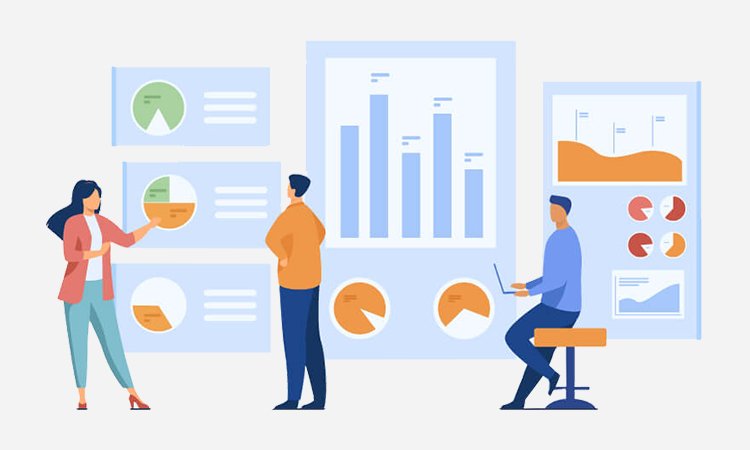
Data-driven storytelling is one of the most crucial strategies of automotive pr. It is a powerful tool that can shape the way your automotive business is perceived online by media professionals and the general public. When a brand tells an engaging story, it successfully connects with audiences and stays in the top-of-mind, which is more effective than generic promotional messages.
A good narrative can position your automotive brand as an authoritative source in the automotive industry while improving reliability and trustworthiness. Let’s take a quick look at how leveraging data-driven storytelling can be beneficial for automotive brands.
- Better Press Coverage: Experienced journalists often prefer insightful business stories over generic press releases. By leveraging data-driven storytelling, automotive businesses can easily get the attention of the media.
- Shaping Public Opinion: A data-driven storytelling approach can heavily influence audience sentiment and establish trust.
- Effective Crisis Management: Transparent and strategic brand storytelling can help reestablish trust during challenging situations, as seen with brands that publicly address and resolve crises effectively.
- Memorable Impressions: People often remember stories better with proper data or statistics. This makes data-driven storytelling a major part of branding.
- Can Humanize your Brand: Personal experience stories from employees and customers can create a sense of reliability, making your customers connect to your automotive brand on a more personal level and fostering trustworthiness.
- Establishing Trust: Maintaining authenticity in storytelling for public relations can improve credibility, leading to robust customer relationships.
Now that we have a clear idea of how incorporating data-driven storytelling can be effective for automotive businesses, here are some key elements that automotive businesses must consider.
- Data Collection and Evaluation
- Define your Objectives: For effective data-driven storytelling, automotive businesses need to clearly outline their PR objectives. That is, what they want to achieve through their PR campaigns is to enhance brand awareness, boost lead generation, or thought leadership. This is crucial to determine which data is relevant to collect.
- Collecting Relevant Data: Automotive businesses must collect both internal (e.g., market share, customer insights) and external data (e.g., news cycles, industry trends) that backs the narratives they wish to tell.
- Identify Insights: Automotive businesses must clearly evaluate the data to identify key statistics, amazing trends, or unique angles that challenge traditional wisdom or correspond with a specific group of the audience. The data collected must clearly provide the “proof” for your story.
- Narrative Creation
- Determining the Core Story: Automotive businesses must translate complicated data into a clear, concise, and engaging narrative that perfectly aligns with the unique interests or preferences of your audience. The brand story must have a clear beginning, middle, and end, much like a traditional narrative.
- Humanizing the Data: Leverage data to clearly demonstrate the real-world impact on customers, individuals, and industry. Social proofs like customer testimonials and case studies can transform statistics into relatable experiences.
- Emphasize Relevance: Personalize the story to specific media outlets, audience segments, and journalists that you are targeting. An engaging story for a business publication might focus on ROI, while a story for a customer lifestyle magazine must focus on lifestyle impact.
- Effective Presentation and Dissemination
- Visualizing the Data: Automotive businesses must leverage visually appealing formats such as infographics, graphs, charts, and engaging dashboards in order to make data more comprehensible and shareable. Visual brand storytelling can enhance engagement and enhancement.
- Select the Right Channels: Circulate your brand story across various channels, including social media, press releases, white papers, blog posts, and owned media channels and select the platform where your target audiences are most active.
- Measuring Success: Automotive businesses must clearly monitor the performance of their PR campaign using key performance indicators such as sentiment analysis, website traffic, engagement rates, and message pickups. This data, in turn, can inform future PR strategies, creating a constant loop of data-driven enhancements.
By combining the above-mentioned elements, automotive businesses can go beyond opinion-based claims or storytelling, leveraging data as a foundation for authentic and highly effective communications.
Step-by-Step Guide to Establish an Engaging Data-Driven Story
An effective data-driven narrative can open doors to new perspectives and concepts within the minds of those who have read it by strategically incorporating visualizations, narratives, and storytelling techniques.
- Thoroughly Research and Determine your Audience Identity
The first and foremost step to writing an effective story to ensure an effective automotive pr is having a clear idea of the identity of your target audience.
One of the most common mistakes that automotive brands often make in the case of data-driven storytelling is the belief that the data will be the main advocate of their story. However, it is not true. Even though the data you have gained is exceptionally beneficial, most stories are about people.
Consider asking yourself these 6 questions to define your target audience for the story you are creating.
- What demographics does your audience belong to?
- Who are the major stakeholders engaged?
- What are the key challenges or problems they face in their daily life?
- What key performance metrics are they tracking?
- What influences them?
- What are their skill levels?
The clearer idea you have about the personality of your target audience, the better your story will align with their needs.
- Decide on the Main Message
Every good story revolves around one thing- a basic idea. And viewers can make a significant conclusion even if they do not remember anything else.
So, understanding the crucial takeaway is very important if you wish to create your ideas to back them effectively. For example, say if your sole focus is on safety and security, then the primary message could be uncompromised protection or peace of mind.
In this way, the most important queries can be posted to your analytics tool, especially if it is backed by conversational analytics to discover the most relevant information in order to enhance credibility and fortify the public’s understanding of the main message.
- Determine the Context of the Story
We all must have heard this saying, “Content is the king.” This is especially true in storytelling. So, it is very important to clearly define the setting and background of the happenings in your story.
However, it must not be generic; the story of your automotive business must go beyond words. In case of your data-driven narrative, you should instantly convey to your readers why the information you are providing is crucial to them and why they should read it.
For example, a story about a unique advanced technology that you have included in your newly launched product can be a great context for storytelling.
- Develop the Narrative Structure
The narrative’s structure, which is also called the story arc, is the best phase of your story. Although there are several narratives and different structures that automotive businesses can use, they can use Freytag’s pyramid to create the structure of their narrative.
Let’s take a look at the five key phases of the Feytag’s pyramid:
- Exposition
This stage is where the background and the context are presented, and the main characters are introduced to the audience.
- Rising Action
It is a sequence of events and complications that builds tension and eventually leads to the main conflict. In this particular section, supporting facts such as visuals can fortify the narrative in order to convey the crucial message for the audience’s takeaway.
- Climax
This is basically a turning point where the main message for the audience’s takeaways will be showcased. It is the point when decisions must be made to successfully address the major challenges, and severe consequences have to be faced.
- Falling Action
In this section, the dreadful consequences are clearly explained along with the minimal likelihood of a reversal (supported by proper data, facts, and studies).
- Resolution
The last part of the story. This is where the story concludes with a silver lining and solid steps that readers can instantly take in order to get to the “promised land.”
- Decide on the Main Visualizations
After you are done creating the story, the next strategic step is to integrate relevant data and valuable insights through visualizations.
A great way to select the most appropriate visualizations is to put to use the most relevant questions and pick the visualisation that best addresses the query in the most direct way possible.
- Build a Solid Social Media Strategy

With 5.41 billion users using social media, automotive pr is crucial to establish a solid social media strategy.
In today’s fast-paced digital world, scrolling social media has become a routine for almost every individual. Nowadays, everything we want to know we prefer to search on social media first. Automotive businesses can achieve a positive reputation and public image by correctly incorporating their social media platforms for their unique needs.
Now, let’s take a quick look at how the automotive businesses can leverage social media platforms for their PR activities.
- Develop a Solid Brand Voice
Whenever you are presenting your automotive business, be it your company’s values, brand messaging, or culture, Automotive businesses must ensure consistency across all social media platforms.
If your automotive brand is presented differently to your LinkedIn connections than to your Instagram followers, it might confuse them, which might severely impact the reputation of your automotive company.
So, automotive businesses must try to keep the communication consistent across all social media platforms in order to foster trust and recognition among their followers.
- Define What Success Looks Like
Automotive businesses must start by asking, What are they trying to achieve through their social channels? Is it to raise brand awareness before a product launch? Position their founders as thought leaders in the industry? Getting the attention of investors and more media mentions?
For automotive companies, public relations is not just about getting attention, but it is about showcasing innovations, trust, and relevance. Once you have a defined objective, social media can offer a conversion and broadcast.
- Choose the Right Platforms- Not All Serve the Same Purpose
The audiences of the automotive sector are diverse. That is, they belong to different demographics and geographical regions. Some might be looking for luxury cars on Instagram or YouTube. While others may adopt social media platforms like Facebook.
The secret to success is to select one or two social media platforms and convey your brand’s message clearly and consistently. If you choose a platform that perfectly aligns with your audience or where your audience is most active, it can lead to better outcomes.
- Leverage Partnerships and Influencers Strategically
The majority of automotive brands strongly believe that influencer marketing is not for their business and is only for lifestyle sectors. However, it is not true.
In order to make it work, automotive businesses can:
- Pick influencers whose key niche is the automotive sector and target customers who are looking to buy new cars, as well as convey credibility.
- Create and support content that showcases your products in action or clearly demonstrates the problems that will be solved.
- Boost your content both through your channels as well as theirs.
- Successfully measure engagements, results, leads, conversions, and online mentions.
- Transform the Story of your Automotive Brand for Socials
Automotive pr often includes complicated features and advanced technologies. However, when conveying your brand story on social media, automotive brands must make it easily accessible as well as engaging.
Rather than leveraging technical jargon, automotive practices must use simple narratives, clearly explain how their automotive business solves the problems of audiences, and real real-life outcomes.
Here’s what automotive businesses must include:
- Leverage engaging visuals, short demo clips, client testimonials, and interesting behind-the-scenes of engineering or product design.
- Automotive businesses must use solid proof when they secure media coverage, sharing it with compelling commentary, such as “Team Efforts Behind this Phenomenal Launch” to enhance and strengthen credibility.
By doing this, your automotive brand can become something beyond mere words; it becomes a story that is both visible and relatable.
- Engage with Audiences Through More Than Just Broadcast
Posting regularly is just not enough. Effective engagement is the secret to how automotive businesses can transform your followers into your biggest supporters and online mentions into conversions.
What automotive practices can do:
- Respond to customer queries and comments. If someone asks about the unique features or algorithms of your products, engage with them.
- Tag relevant social media accounts, media outlets, partners, and niche-based influencers.
- Leverage social listening, monitor what people are saying about your brand, product, or services online.
- Make sure to reveal the hard work of people behind the technology- engineers, founders, and designers. Doing this can help you humanize your automotive brand.
- Maintain a Stable but Flexible Rhythm
You might think it is easy to let socials slide if you are busy. However, consistency fosters credibility. What matters the most is:
- Create a content calendar that can be easily aligned with the latest industry announcements, new product updates, and influential events.
- Try different formats, such as long-form posts on LinkedIn by the founder of your brand, short video content on Instagram, TikTok, and YouTube Shorts, and long videos on YouTube, and quick commentary on X.
- Track and adjust. If video content about your automotive business drives higher engagement, then try leveraging videos. If a specific social media platform is not working out for you, then consider shifting focus.
- Promote Social Proofs Such as Case Studies, Testimonials
To successfully convey your brand story on social media platforms, automotive businesses are required to promote social proof such as employee reviews, case studies and client testimonials. Automotive brands can
- Follow a Digital-First Approach
As the world continues to progress towards digitalization, implementing traditional offline PR activities, such as print ads, community events, and distributing business cards, is no longer sufficient.
If you want to reach the right audience and have your business story covered by renowned journalists and media outlets, following a digital-first approach is essential.
So, let’s take a quick look at the major strategies for a digital-first automotive PR approach
- Create Digital-First Content: The first step to follow for a digital-first approach is developing engaging, easily digestible, and visually striking content, especially for easy online consumption (e.g., interactive polls and short-form videos). Strictly focus on content that clearly resolves the queries of common buyers and offer values.
- Focus on Video Content and Visual Assets: High-quality videos and images are fundamental. Leverage detailed company tours, video ads, and lifestyle images that clearly showcase the special features of your automotive brand. This is because 64% of shoppers claim that 360-degree videos would convince them to buy even without test drives.
- Build Partnership with Niche-based Influencers: Automotive businesses must partner with reliable influencers who offer genuine and valuable insights on the automotive sector. For example, renowned YouTube content creators and TikTok reviewers who have built strong trust within their communities. Remember, long term relationships are much more effective than on-off partnerships.
- Successfully Optimize for Search Engine Optimization (SEO): Automotive businesses must implement best SEO practices, including thorough keyword research and local SEO into their PR content, in order to enhance visibility. Incorporating best SEO practices will make sure that your brand appears in a prominent position when prospective buyers are actively searching for comparisons, local dealerships, and information. For example, the best SUVs under 20 lakh near me.
- Leverage Social Media Engagement: To follow a digital-first approach, considering social media engagement is crucial. Automotive companies must leverage social media as a two-way communication channel to successfully interact with their audience in real-time.
- Establish a Community: Make sure to share behind-the-scenes content, pictures of happy customers and staff introductions to humanise the brand.
- Create User-Generated Content (UGC): Automotive businesses must build an online community by encouraging customers to share their expertise or products they develop by using brand-specific hashtags.
- Respond Promptly: Respond to every social media comment, mention, and message to establish trust and successfully manage your brand’s online reputation.
- Organize Digital-First Events and Launches: Recreate traditional press events with hybrid models that encompass live Q&A sessions, digital media kits, and virtual showrooms. This approach can help automotive companies reach a wider audience and allow for greater control over messaging.
- Offer an Multichannel Experience: From your social media accounts to your website, email, and in-person showroom visits, automotive businesses must guarantee an effortless and consistent brand experience across all customer touch-points. You can leverage a shared CRM (Customer Relationship Management) system to easily monitor the step-by-step journey of your customers.
- Focus on Comprehensive Customer Journey: Directly address the needs and queries of car buyers at every stage of the funnel- from the initial stage of creating awareness to post-purchase loyalty. In order to successfully guide your customers through this entire buying journey, a digital-first approach is essential. Sending regular follow-up emails, reminding them of a product or service they have booked, and opportunities for up-scaling advanced digital features.
- Well-Preparedness or Effective Crisis Management
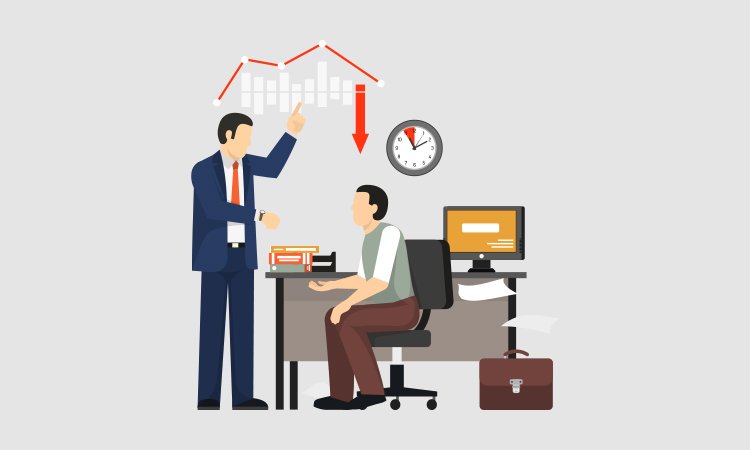
Let’s get it straight, no business is resistant to crisis. And your automotive business is no exception. But you cannot just sit back and watch a crisis situation destroying your online reputation, or you cannot just wait for a potential crisis to hit your business, right?
So, what you can do is create a proper crisis management plan. By developing a well-defined crisis management plan, automotive businesses can not only effectively deal with crisis situations but also prevent potential crisis situations.
However, do not mistake it with mere paperwork- it is more than that. It is basically a strategic shield for your automotive business. In today’s competitive world, you never know when a crisis situation can arise, so having a strategically planned crisis management plan in place is non-negotiable.
But how can you create a proper crisis management plan to ensure a successful automotive PR? Here’s how.
- Start by Predicting Crisis
It might sound a bit scary, but this is one of the most important steps in creating an effective crisis management strategy. All you need to do in this step is accept that a crisis situation can arise at any point and prepare a solid crisis management plan beforehand to deal with it.
Even large enterprises face it more often than small-scale companies, leading to both financial and reputational losses.
- Put the Crisis Management Team in Action
When you have a solid crisis management plan ready, create a team of core crisis management and execution with professionals. Not only that, but automotive businesses must prepare their leaders and company employees to respond promptly to any arising crisis situation. In certain cases, when a failure or event leads to disasters, the main spokesperson should be the CEO.
- Conduct a Comprehensive Risk Assessment
Analyzing risk is non-negotiable. Automotive businesses must organize meetings with their crisis management team. As an automotive business, there are high chances of facing severe financial losses, lawsuits, and reputational damages.
Automotive businesses can create risk registers that clearly identify the likelihood and impact of each threat. This approach guarantees strategic anticipations and not just guesswork.
- Develop the Right Message
The message is what matters the most in case of crises. The way you convey your message to your stakeholders and audiences will determine how easily you can get out of such situations. Automotive brands must showcase transparency, empathy and show genuine concerns for people who were hurt in the process through their message.
Another thing is pre-drafting your press release statements. If you create your acknowledgement statements beforehand, it will be very helpful in crisis situations. Having these prepared can help automotive brands create consistent messaging, limiting the risk of conflicting information being released.
- Communicate with Media and Partners
Automotive businesses must take their time to establish positive media relations with niche-based influencers, journalists, and partners. Building your online reputation and successfully conveying your business values. In case a crisis hits, automotive businesses can rely on these relationships to reach their audiences and share valuable information.
You can consider establishing a powerful social media presence and impactful relationships online. Social media platforms have a vast reach. By fostering meaningful relationships with influencers, automotive businesses can easily promote their stories and any vital information.
Leverage these platforms and communication channels to not only track conversions but also directly address any misinformation.
- Track and Detect Early
Successfully monitoring media outlets and social media is crucial in today’s world. Having a clear idea of what people are saying about your brand online can help you detect and address minor issues early and prevent them from turning into major crises.
Furthermore, tracking feedback on your response during a crisis can help adapt and modify strategies if required. Automotive businesses can utilize PR monitoring software to effectively monitor communication channels.
- Develop a Media Outreach Strategy
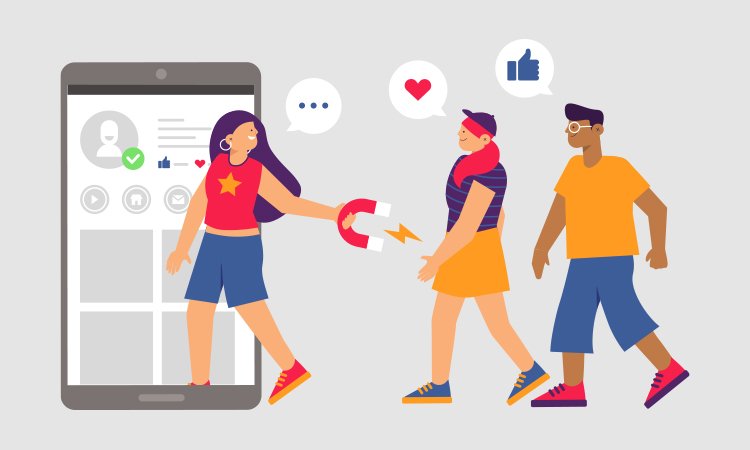
An effective media outreach strategy can help establish brand credibility, significantly enhancing visibility to the targeted audience, shaping public perceptions through trusted channels, and building genuine relationships with influencers and journalists. This is a vital automotive PR strategy that automotive businesses must consider.
How can automotive businesses develop a robust media outreach strategy?
- Clearly Define your Business Objective and Message
Automotive businesses must clearly define what they want to achieve and the main message that they want to convey. Is it to launch a new product, announce a major hire, or manage a crisis effectively?
However, you need to make sure the message is clear, concise, and relevant to the target audience.
Identify and Segment Target Media
Actively research journalists, influencers, and editors who have the necessary knowledge of your niche and can cover your industry and target the right audience.
- Develop Media Lists: Compile a list of relevant contacts, including their media outlet, coverage areas, contact information, and recently uploaded articles.
- Leverage Tools: Automotive brands need to use PR software or social media platforms to find relevant journalists.
- Establish and Nurture Relationships
You will not be able to gain success with your PR efforts if you do not build meaningful relationships with the media.
- Engage on Social Media: Automotive brands must engage with journalists by sharing their informative articles, commenting thoughtfully, and engaging in meaningful decisions before pitching.
- Personalize your Pitches: Make sure to avoid spamming media professionals with generic emails. Automotive companies must tailor every pitch to explain why their brand story is relevant to their specific audiences.
- Offer Value: Establish yourself as a resource for future stories, even if they do not fall into your current pitch.
- Create Engaging Materials and Pitches
The pitch is basically the introduction of your automotive brand. The supporting materials offer depth.
- Pitches: Pitches should be short (usually of a few paragraphs at most) with an appealing subject line. Rather than beating around the bush, get straight to the point to clearly explain the value and angle of the news.
- Media Kit: Automotive businesses must prepare an effective media kit with high-quality and relevant images, a valuable press release, executive bios, and major statistics. Make these easily accessible online, and better yet, include them on a dedicated press page on your automotive website.
- Implement and Follow-Up Strategically
Timing and persistence are very important to ensure a successful outreach strategy.
- Timing: Automotive businesses must send media pitches during optimal times, often mid-morning and mid-week, avoiding holidays and weekends.
- Follow-up: A single follow-up email might be acceptable if you have not heard back. However, avoid bothering them with excessive calls or emails.
- Monitor and Measure Results
Automotive businesses must monitor which outlets have covered your story, the tone of the coverage, and the impact on your objective. Track metrics like website traffic, brand sentiment, and sales leads. Leverage advanced analytics tools to measure the return on investment (ROI) of your PR efforts and refine future strategies.
- Establish Strong Relationship with Media and Influencers
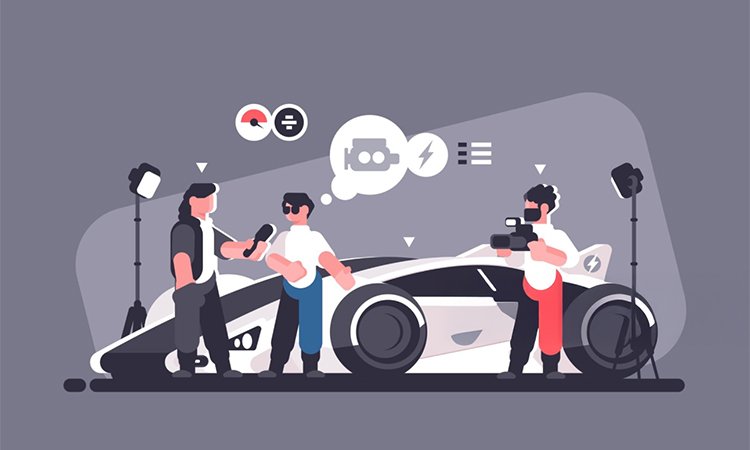
Most automotive brands often have this weird misconception that they do not need to partner with influencers and media outlets, as they offer high-quality products. However, in this immensely competitive market, offering high-quality products and services is just not enough.
You need to go beyond to promote your automotive brand online. Establishing a strong relationship with the media and influencers is an important aspect of effective automotive pr.
If you want more people to know about your automotive brand, you need to establish meaningful relationships with the media and influencers.
How can automotive brands build positive media and influencer relationships?
- Research and Personalize
- Understand them deeply: Thoroughly review their work, know which niche they excel in, their audience, and their personal interests.
- Personalize your Outreach Strategy: Rather than sending mass emails, reference specific articles or posts to show genuine interest.
- Engage Authentically (Pre-Pitch)
- Social Media Engagement: Follow, like, and comment thoughtfully. Furthermore, automotive businesses can share their content to get on their radar.
- Build a Rapport First: Break the ice with casual and friendly conversations and avoid talking about work directly.
- Offer Value- Give More than Receiving
- Offer Exclusives or Data: Give them unique data, connect them with experts, and provide trend analysis.
- Be an Authoritative Resource: Offer high-quality visuals, a local angle for national stories, and fact-checking help.
- Help their Audience: Give them content that their audiences are genuinely looking for.
- Communicate and Collaborate
- Be Clear and Transparent: Automotive brands must set expectations for deliverables, compensation, and timelines early.
- Empower their Voice: Rather than micromanaging, let the influencers speak freely and authentically.
- Keep Contact: Stay in touch beyond campaigns with regular check-ins and thoughtful communications.
- Think Long-Term
- Maintain a Friendly Relationship Beyond Campaign: Focus on establishing partnerships and not just transactional campaigns.
- Monitor and Cultivate: Automotive brands can incorporate CRM style systems to encourage interactions and foster major relationships.
- Global Vs Local PR Strategy
In the automotive sector, PR strategies that will work for global automotive businesses might not work for local automotive business. A global and local public relations is two different approach that come with their own set of unique strategies, challenges, and advantages.
Whether you are a global automotive brand looking to enhance your business’s global presence or a local automotive brand who is looking to establish solid connections within the community.
The main aim of global PR strategy is to develop a unified brand image, successfully manage reputation on large-scale, and showcase corporate-level innovations.
On the other hand, local PR strategy focuses on personalizing content to perfectly aolign the needs and preferences of local audiences to establish trust and boost sales, which is especially crucial in emerging markets.
Here’s a Brief Overview of Global Vs Local PR Strategy:
| Global PR Strategy | Local PR Strategy |
| Glocal PR includes executing and managing a successful PR campaign globally. | Local PR on the other hand revolves around developing a public relations strategy that especially targets a specific region, town, or city. |
| This strategy includes large-scale crisis situations. Example, global brand recalls and conveying high-level brand visions. | This includes partnering with regional influencers to establish credibility in particular areas. |
| Global public relations strategy includes standarizing brand identity to guarantee consistency across various international markets, minimizing costs. | This strategy includes adapting to fit cultural variations, regional languages, and customer preferences. |
| Global PR strategy features CEO, executive, or brand-level valuable insights on industry shifts in major international media. | The local PR strategy includes leveraging regional press, local automotive bloggers, and renowned newspapers for tarfgeted reach. |
| This strategy includes promoting new, globally released models or EV technology initiatives. | Local public relations strategy include hosting local test drive events or engaging in local motor shows. |
Major PR Mistakes that Auto Brands Must Avoid Making
In public relations, even if you do everything right and make a tiny mistake, it can negatively impact your brand reputation online. But how will you avoid making mistakes if you have no idea about them?
So, this section of the blog will discuss some of the common PR mistakes that auto brands must avoid.
- Lack of Proper Planning
One of the most common public relations mistakes that often gets overlooked is not having a proper and well-defined PR strategy. If you do not have an established plan, you will find yourself in the dark with no direction, struggling to successfully convey your brand message to your stakeholders, investors, and customers.
Now, how can automotive businesses avoid this? By developing a robust and detailed PR plan. Make sure this plan clearly sketches your goals, defines your target audience, conveys the main message, and showcases the steps you are taking to achieve your goals.
By developing a well-defined strategy, automotive businesses can guarantee that every public relations activity perfectly corresponds to their overall objectives and helps reach a desired result.
- Not Focusing on Building Strong Relationships
This is one of the biggest Automotive PR mistakes that auto brands must avoid. Establishing strong relationships with the media is one of the most crucial aspects of public relations. However, oftentimes, a lot of automotive brands ignore it and do not give enough time and effort to make connections with journalists and thought leaders. This might lead to missed opportunities for effective media coverage and even negative publicity.
Automotive businesses can avoid this by actively communicating with journalists, influencers, and bloggers. Make time for understanding their preferences and needs, respond to them promptly and professionally, and provide them with relevant information.
By building robust relationships with renowned journalists, bloggers, and media outlets, automotive businesses can likelihood of securing positive media coverage and establishing a positive reputation online.
- Ensure Following Up on your Pitch
After you have shared your pitch or idea with a journalist, influencers, and a media outlet, do not just let it be. Rather, reach out to them and take a follow-up. Experienced journalists and good influencers receive hundreds of news pitches every day. If you do not want your business story to end up under the pile of these pitches, following up is a must.
By following up on your pitch, you can make sure that you have captured the attention of influencers, journalists, and news outlets.
In order to avoid this, automotive businesses must not forget to follow up with journalists and influencers after sending the idea or pitch to them. Reach out to them politely and give them a brief reminder of your major points.
When following up, automotive businesses can use their names to personalize their communication and develop interactive content that will make them eager to collaborate.
You can leverage calendars or reminders to ensure timely follow-ups. By staying responsive and proactive, automotive businesses can increase the likelihood of gaining media coverage and fostering impactful media relationships.
- Poor Crisis Management
All businesses are prone to crises, and the automotive sector is no exception. In this case, a lack of a proper crisis communication strategy might lead to panic, hurt your online reputation, and spread false news or information about your automotive business.
This mistake can be avoided by preparing a solid crisis management plan. Identify potential risks and observe how your company is reacting under specific conditions. Pick one or two experienced spokespersons in both regular and emergency situations who will strategically respond to media inquiries.
Furthermore, clearly convey all the procedures that need to be followed during an emergency to your internal stakeholders. Right timing is the key. So, it is crucial to respond instantly during crisis situations. Maintain transparency and efficiently address public concerns before the spread of any misinformation.
To prevent potential crisis situations from arising, automotive businesses must keep a close track of all online platforms and traditional media for brand mentions in order to help early detection of emerging issues, so that it becomes easier for automotive businesses to address them promptly.
- Expecting Instant Results
Automotive PR is an ongoing process and not a quick solution. A lot of automotive businesses often have the idea that it will offer results instantly, but get disheartened when it does not.
In order to avoid this mistake, automotive businesses must have a clear idea that public relations eventually builds credibility to shape public expectations. Clearly define what success looks like over a timeframe of three to six months by determining media relationships and brand sentiment rather than instant sales metrics.
Establishing a strong brand presence and attracting the attention of the media requires hard work; however, patience ultimately pays off.
- Not Monitoring Competitor Activities
In public relations, it is very important to closely track your competitors’ activities, as by doing it, automotive businesses can gain insights into what is working for them, what they are doing right, and what gaps they didn’t fill.
If you are not tracking your competitors’ activities, you might miss out on a lot of valuable opportunities and insights to stay ahead of your competitors.
In order to avoid this, automotive businesses must regularly monitor how their competitors are covering their stories, managing their social media presence through social listening and media tracking.
Make sure to stay updated on the latest marketing trends and implement those valuable insights into your public relations strategies in order to gain a competitive advantage.
- Sending Out Generic Press Releases
Personalization is the most powerful tool in public relations. And a one-size-fits-all approach just won’t work for them. Developing generic press releases can make it very difficult for the automotive brands to get the attention of renowned journalists or media outlets. If it is too generic, journalists might find it boring and unimportant.
Now you must be wondering, that’s okay and all, but how do I avoid making this mistake? Well, you can do this by targeting your press release to a specific media audience. Like we already discussed, the majority of journalists receive hundreds of press releases every day. In order to shine, you need to make sure that your press release stands out from the others.
Keep your press releases brief, engaging, and focused on a more compelling storyline. Include relevant and insightful quotes, statistics from authoritative sources, and real-life ex examples to enhance credibility and eliminate complicated words.
A well-targeted press release is much better than a generic one that is sent to every audience.
Measuring Success: Key PR Performance Metrics Automotive Businesses Must Track
To measure the success of your automotive PR campaign, here are a few performance metrics that automotive brands must closely monitor regularly.
- Sentiment Analysis
This KPI provides a clear idea of how people feel about a particular topic. Automotive brands must strictly focus on brand sentiment in order to determine public sentiment and prevent potential crises.
How to Track Audience Sentiments?
By monitoring the key components mentioned below, automotive brands can easily track audience sentiment:
- Competitor analysis
- Brand Monitoring
- Thorough Keyword Analysis
- Backlink Analysis
- People Sentiment
- Website Traffic from PR Coverage
Public relations efforts must trigger action, like conversions and traffic and not just visibility. If media coverage is driving customer inquiries or website traffic, it can be either because your content is not engaging enough or you have targeted the wrong audience.
What should auto brands do?
Auto brands can leverage Google Analytics to successfully monitor referral traffic from media outlets.
You can also set up UTM (Urchin Tracking Module) parameters to determine how your PR efforts are bringing in website traffic and increasing conversions.
- Quality of Media Coverage
Remember, not every press coverage carries the same weight. Sharing a press release in a renowned industry publication like Forbes will be more valuable than a mention on a website that has a lower traffic rate.
What should automotive brands do?
Segment your news coverage by publication authority, sentiment to determine its actual influence, and the relevance of the audience. Focus on high-quality placements that successfully improve your brand’s credibility and get to the right audience.
Auto brands can also determine the efforts of their digital PR across YouTube mentions, online communities like Quora and Reddit and even podcasts.
- Crisis Response Metrics
How well can your automotive brand deal with crisis situations? Responding promptly, professionally, and transparently in a PR crisis situation can build or destroy your audience’s trust.
What should automotive brands do?
Automotive brands can set up real-time alerts for brand mentions and monitor sentiment shifts of audiences after a crisis situation. Efficiently measure the response time and media coverage to determine how successfully the situation was handled.
- Backlinks and Domain Authority
Earned links from authoritative automotive sources can enhance SEO, establish authority, and improve search engine rankings. In digital PR, backlinks are “votes of confidence,” showcasing authority and credibility. Each link from a reputable publication can enhance your website’s search rankings.
These links heavily contribute to higher visibility and sustained traffic growth. Combined, these metrics can offer a detailed overview of how your campaign is performing- from audience behaviour to media impact.
- Social Media Mentions
Social media mentions can offer a clear idea of how your brand is performing online and how well your brand can connect with the audience in real-time.
This metric also showcases how people are interacting with your brand online and how they are perceiving your automotive brand.
- Share of Voice
This is the percentage of coverage for your automotive brand, product, and high-profile executive in comparison to competitors. Consider including multiple competitors to determine your position within the automotive industry. It is crucial to note that automotive businesses can easily track Share of Voice (SoV) by volume or reach.
This metric will provide an ultimate reality check for your automotive business. Like, is your automotive business popular among people, or is it barely being discussed? A higher rate of share of voice often signifies that PR efforts are paying off, enhancing brand visibility and positioning your automotive business as an authoritative source in the industry.
FAQs
Ans– The main goal of automotive public relations is to establish brand awareness and reputation, deal with crises, promote sustainability, showcase innovation, and enhance online visibility.
Ans– Businesses can expect the results of their PR campaigns within 3-6 months, with significant impact often taking longer, usually 6 to 12 months or more.
Ans– Not everyone is good at everything; you might be a renowned automotive brand but not know the technicalities of public relations, and it’s completely fine. To enhance your online presence, foster trust through effective media or influencer relationships and deal with crisis situations efficiently, automotive brands must hire a PR agency.
Ans– The best PR tactics for your business focus on establishing strong media relationships, authentic storytelling, digital engagement, and targeted content.
Conclusion
As the competition in the automotive sector becomes fiercer, standing out has never been so crucial. By incorporating effective automotive pr strategies mentioned above, auto brands can not only create a better brand image but also foster trust and loyalty through strategic communication. However, watch out for major PR mistakes, as even the slightest PR mistake might severely affect your business’s online reputation. In case you are just starting out and have no idea how to proceed, you can perhaps partner with an experienced PR agency.
