

With the Indian Manufacturing Market anticipated to reach 2.47 trillion by 2031, growing at a CAGR of 7.26% from 2026 to 2031, the pressure of standing out in this highly crowded market is huge. However, in this sector, visibility is what drives trust, attracts top investors, and offers a competitive edge. If your manufacturing brand is not visible, people will have no idea that it exists. This is where manufacturing PR comes into play.
Whether you are looking to announce a new facility, launch a new product or service, or manage a crisis situation, public relations can make sure that your manufacturing company successfully captures the attention of reputable media professionals.
PR, when implemented correctly, can help bridge the gap between complicated operational processes and the target audiences. In this guide, we will learn about public relations for manufacturing businesses, what benefits it comes with for the manufacturing space, effective PR strategies, and more. So, let’s get started.
Understanding Manufacturing PR
It is the effective communication management between a company and its stakeholders. This strategy can help a brand to improve its public image, establish meaningful relationships, and shape how its products and services are perceived by its audience. From press releases to social media management and content creation, public relations includes everything.
Manufacturing public relations goes beyond product marketing by focusing on establishing trust, managing reputation, attracting skilled professionals, and positioning the founder of your company as a thought leader in the industry.
5 Key Reasons Manufacturing Companies Must Invest in Public Relations
Now that we have seen what public relations is for the manufacturing brands, let’s discuss how this strategy can benefit manufacturing firms:
- Establishes Unmatched Credibility and Trust
In comparison to traditional advertising, which is often recognized as paid promotion for customers, effective public relations focuses more on leveraging third-party validation. By getting featured in trusted, reputable industry publications or achieving regional manufacturing awards, manufacturing experts can add legitimacy to their brand, making it much easier to convert B2B partners and clients.
- Demonstrates Innovation and Technical Expertise
The manufacturing sector heavily relies on complex, highly specialized machinery and processes. By incorporating PR successfully, manufacturing brands can position their leaders as industry experts through technical articles, whitepapers, and expert interviews.
This can clearly convey your value proposition and demonstrate how your solutions solve real-world problems.
- Offers an Effective Shield for Crisis Management
From product recalls and supply chain disruptions to workplace mishaps or environmental compliance issues, the manufacturing sector is highly vulnerable to major operational risks.
A robust PR strategy can equip your team with a well-defined communication plan to manage crisis situations quickly, retain the confidence of your stakeholders, and prevent financial damage.
- Attracts Top Talents and Investors
The modern-day manufacturing industry is facing workforce skill gaps. Implementing effective public relations strategies can help humanize your manufacturing brand by highlighting your corporate culture, employee success stories, and sustainability efforts, positioning you as an authoritative employer.
Furthermore, getting consistent media coverage can showcase corporate growth and stability, making your manufacturing firm highly attractive to potential investors.
- Drives Sales and Supports Marketing
Strategic manufacturing PR directly nurtures your bottom line. When a reputable news site and authoritative industry blog link back to your manufacturing website, it gives a significant boost to your digital identity as well as Search Engine Optimization (SEO).
High-ranking digital PR can help you generate organic traffic and bring in high-quality B2B sales leads.
7 Effective PR Strategies That Manufacturing Companies Must Consider
Understanding and implementing PR strategies can be quite overwhelming for manufacturing companies that have no experience with public relations. We understand this, so this section of the blog will shed light on some powerful PR strategies that manufacturing brands must not miss out on:
- Create Your Own Brand Narrative

One of the most powerful assets of your manufacturing PR strategy is a solid brand story- especially in the digital world, where it can reach a wider audience. An engaging narrative will align perfectly with your customers and support the foundation of your company’s identity.
When establishing a strong narrative, it is mandatory to figure out how to connect with the emotional journey that led to the foundation of your manufacturing brand. This can help manufacturing experts set their firm apart from its competitors and create a lasting impression in the audience’s minds.
However, in order to understand your own narrative and efficiently communicate with your audiences takes a significant amount of effort and an in-depth analysis of the origins of your manufacturing brand.
Here are some crucial points that can help you to get started with creating a solid brand narrative:
- Highlight What Sets You Apart
The first thing to understand when developing an engaging brand narrative is to identify the Unique Selling Proposition (USPs) of your brand. You must have a clear idea of what differentiates your brand from the crowd. By showcasing the elements that sets you apart (e.g., innovative design, top-notch quality of products) can make your products or services more appealing to customers.
- Align Your Narrative to Your Brand’s Core Values
Always make sure that your words and actions align perfectly. Developing a narrative that tells a completely different story from the beliefs your manufacturing brand adheres to is basically pointless. This practice will hamper your efforts to build trust and authenticity among audiences.
- Showcase Your Milestones
In the manufacturing sector, showcasing strong commitments towards excellence and progress can make a huge difference. And the best way to do this is by presenting your awards and milestones in front of your audiences. By showcasing your achievements and moments of victory, you can position your manufacturing company as an expert in the industry.
- Position Your Founders As Thought Leaders

We all might have come across a similar face in newspapers, on TV, or as a guest on podcasts to talk about a particular topic. That very person is there for their deep knowledge on the subject, and the insights they can contribute. This is basically thought leadership.
When an individual or a brand becomes a “go-to” subject, they are automatically sought as experts in the industry.
- What is Thought Leadership?
Thought leadership is the method of positioning a brand or an individual as an authoritative and trusted expert in a particular field by sharing valuable, innovative ideas and opinions.
This PR strategy involves developing and publishing forward-thinking content (e.g., whitepapers, research articles) that can inform, influence, and inspire others. This can help build credibility as well as shape industry trends.
- How Can Manufacturing Companies Demonstrate Thought Leadership?
Here are some highly actionable ways manufacturing brands can highlight thought leadership:
- Publish Proprietary Industry Data: By sharing original research, benchmarking reports, or sharing data-driven insights about raw material trends, automation, or market shifts, manufacturing brands can build deep authority.
- Develop Buyer-Specific Content: Manufacturing companies must personalize their messaging to different audiences to showcase sympathy and extensive experience. For example, a manufacturing brand can explain AI in manufacturing to a CTO versus a service manager.
- Contribute to Trade Publications: You can consider sharing forward-thinking or innovative ideas by creating and publishing bylined articles or issuing valuable press releases for new patents in recognized industry journals.
- Engage and Speak at Industry Conferences: Manufacturing brands can showcase the expertise of their founders and executives by engaging in or hosting panel discussions.
- Highlight Case Studies: Make sure to go beyond traditional marketing by highlighting hands-on, real-life examples of solving unique, complicated manufacturing problems.
- Write High-Quality, Compelling Press Releases
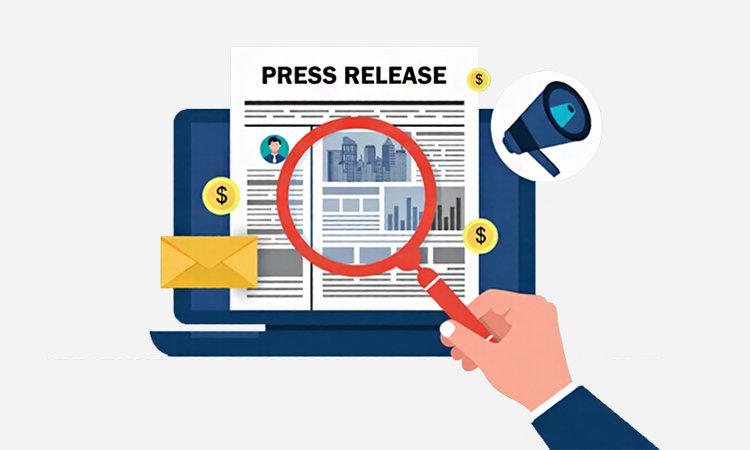
Developing valuable press releases is a vital manufacturing PR strategy that brands cannot afford to ignore. With 79.1% of brands submitting press releases as a major part of their PR efforts, it heavily contributes to PR success. Whether you are launching a new product, service, or have trending news in your industry, simply publish a press release.
By crafting a catchy, valuable press release, manufacturing brands can generate excitement, industry buzz, and gain media coverage that can place their brand in front of a wider audience.
- Some Common Reasons For Sending Press Releases
Manufacturing firms can use press releases to announce several types of milestones, including:
- Product Launches: Launching new products, services, or software.
- Company Milestones: Sharing acquisitions, mergers, or major expansions.
- Events: Promoting upcoming conferences, galas, and charity drives.
- Executive Appointments: Welcoming new CEOs, board members, or employees.
- Awards: Sharing recent industry recognition or company achievements.
- Standard Format of a Press Release
The common format of a press release follows a strict structure, especially designed for journalists, focusing on the key information first.
The ideal length of a press release usually spans 300 to 600 words across four to six paragraphs. Here are certain sections a press release must contain:
- Release Status: This must appear at the top of your press release. (e.g., “FOR IMMEDIATE RELEASE”).
- Contact Info: Name, email address, and phone number of the media contact.
- Headline: An engaging heading, bolded title that clearly summarizes the news.
- Dateline: The city, state/country, and release date of the press release. (e.g., “NEW YORK, NY- MAY 19, 2026”).
- Introduction/ Lead Paragraph: This is the first paragraph of your press release that clearly answers the 5 W’s: Who, What, Where, When, and Why.
- Body Paragraphs: These paragraphs must contain supporting details, statistics, and at least one to two quotes from founders, stakeholders or partners.
- Call-to-Action: Information on where to buy, how to register, or find more details.
- Boilerplate: This section consists of a brief “About Us” paragraph that describes the company.
- End Mark: It is denoted by three hash signs (###) or “-30-” at the very bottom of the press release.
- A Sample Press Release for Manufacturing Brands
“FOR IMMEDIATE RELEASE
Apex Manufacturing Announces $17 Million Expansion of Advanced Machine Facility in Hyderabad, Opening Doors for 200 New Jobs.
Hyderabad, Telangana- May 19, 2026
Apex Manufacturing, a leading producer of high-quality industrial components, today announced a $15M strategic expansion of its flagship production in the Pashamylaram Industrial Area. The 50,000-square-foot addition will incorporate next-gen automation and robotics, significantly boosting the company’s capacity to serve both domestic and international markets.
The expansion is expected to be completed on 7th December 2026 and corresponds to the increasing demand for sustainable, highly precise manufacturing solutions. By leveraging AI-driven quality control systems, Apex Manufacturing attempts to minimize production cycle times by 30% while maintaining strict environmental, social, and governance (ESG) standards. The new addition will create opportunities for 200 new full-time engineering and operational roles.
“This is a historic step for Apex Marketing,” said Sanjeev Verma, CEO of Apex Manufacturing. “With the rising demands for high-grade industrial products, this expansion not only doubles our output capabilities but also allows us to support local talent and innovative, sustainable manufacturing technologies in Telangana. ”
The facility expansion features:
- IoT-enabled assembly lines: For real-time tracking and predictive maintenance.
- Green Manufacturing Practices: Rainwater harvesting, energy-efficient LED lighting, and zero-liquid discharge systems.
- Dedicated R&D Hub: To accelerate prototyping and personalized product development.
To get more information regarding the expansion, career opportunities, or to view Apex Manufacturing’s product catalogue, please visit the Apex Manufacturing Website.
About Apex Manufacturing
Founded in 2005, Apex Manufacturing is a premier producer of heavy-duty industrial components and tailored assembly solutions. Headquartered in Hyderabad, Apex Manufacturing is committed to driving innovation, sustainability, and superior quality across the global manufacturing sector.
Media Contact:
Namrata Thakur
Director of Public Relations
Apex Manufacturing
Email: n.thakur@apexmanufacturing.gmail.com
Phone: +91 675907789”
If you are looking to develop high-quality press releases that journalists actually prefer but do not know how, then you should seek professional press release writing services.
- Engage In Industry Events Like Trade Shows and Webinars
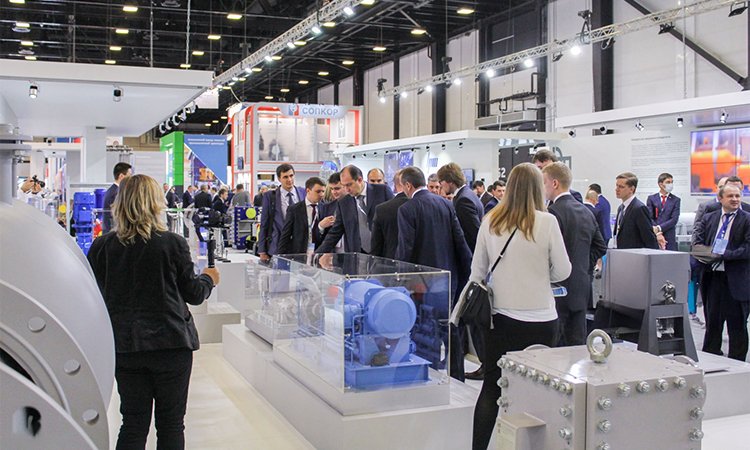
Do you know that 64% of marketers use events like trade shows and webinars for lead generation? Trade shows and webinars can offer great opportunities for networking and gaining more exposure, making them a valuable asset for manufacturing PR.
These events usually bring together industry leaders, investors, and media professionals, improving the chances of connecting with authoritative individuals, which can position your manufacturing brand as a reliable source.
By engaging in or hosting events like trade shows or webinars, manufacturing brands can not only showcase their products and services but also allow them to create meaningful, valuable networks that can shape the course of their business.
- How Can Manufacturing Firms Use Industry Events For PR Impact?
Engaging in niche-specific events and webinars is highly effective for PR for manufacturing brands. This PR strategy can help generate leads, create a buzz around your brand, build media relationships, and position founders as thought leaders.
- Pre Event
- Media Pitching: Manufacturing brands must thoroughly research which journalists or influencers are attending. Reach out 3-4 weeks in advance to them and offer exclusive interviews, on-site demonstrations, or product reviews.
- Press Releases: You can also issue a press release clearly detailing what attendees can expect from your booth, including new product launches or speaking sessions.
- Direct Outreach: By sending personalized invitations to major stakeholders, prospects, and manufacturing PR clients, companies can encourage them to visit their booth as well as attend their speaking sessions.
- During the Event
- Networking and Earned Media: Consider scheduling intentional face-to-face meetings with attending editors.
- Social Media and Buzz: By posting live updates, teasers, and behind-the-scenes content across various platforms like Twitter (X) and LinkedIn, manufacturing firms can create a social media buzz around their brand.
- Webinar Integration: If you are attending a physical conference or streaming major sessions as live webinars, then by using live polls and Q&As, manufacturing companies can engage their online audience in real-time.
- Post-Event
- Post-Show Webinars: Hosting a webinar a few weeks right after the event can offer in-depth insight into the industry problem that your brand solved at the trade show.
- Content Repurposing: Manufacturing firms must take their events on a “roadshow.” Include your announcements and valuable insights into newsletters, blog posts, and social media recaps to reach the audiences who didn’t attend the event.
- Customized Follow-Ups: After the event, manufacturing brands must send personalized thank-you messages to new contacts referencing shared conversations.
- Leverage Professional Social Media To Maximize PR Impact

By implementing social media platforms like LinkedIn and Instagram, manufacturing brands can boost engagement. You can use these platforms to highlight facility operations through interactive behind-the-scenes videos, share relevant industry news, and interact directly with stakeholders.
- How to Use Social Media for Optimizing PR Success and Boosting Brand Awareness?
Here are a few ways to use social media to amplify your manufacturing PR efforts:
Step 1: Develop Highly Shareable Content
Manufacturing brands must make sure their content offers value before they start promoting it. Emphasize on offering data-driven insights, current industry trends, and actionable advice that audiences would like to share.
When developing content for social media, manufacturing companies must consider formats such as:
- Research-based blog posts or articles
- Expert roundups
- Detailed visual guides and infographics
- Case studies with measurable outcomes
For example, developing and publishing original survey findings in your niche increases the likelihood of media coverage and social media shares.
Step 2: Establish Relationships with Media Professionals and Influencers
The success of your digital PR efforts heavily relies on networking. Social media platforms can make it easier for manufacturing companies to engage directly with industry leaders and professionals.
By following, commenting on the posts of relevant journalists and content creators, and sharing their posts thoughtfully, manufacturing firms can build trust and familiarity over time.
When you pitch your content later, it is likely to get chosen for coverage because a relationship already exists.
Step 3: Repurpose Content Across Various Platforms
A single PR campaign can be turned into multiple social media assets, which can increase reach without manufacturing firms having to create new content every now and then.
Here are some examples:
- Transforming high-performing blog posts into short LinkedIn carousel tips.
- Converting statistics into interactive Twitter threads
- Sharing short video clips of behind-the-scenes on Instagram stories
- Developing brief explainer videos for YouTube.
Each format is compelling to different audience segments, increasing the chances of earning high-quality backlinks.
- Showcase Innovation Through Case Studies
Imagine this: You have a great product, but you cannot convey all the necessary details about it to your potential customers without making your copy appear too salesy.
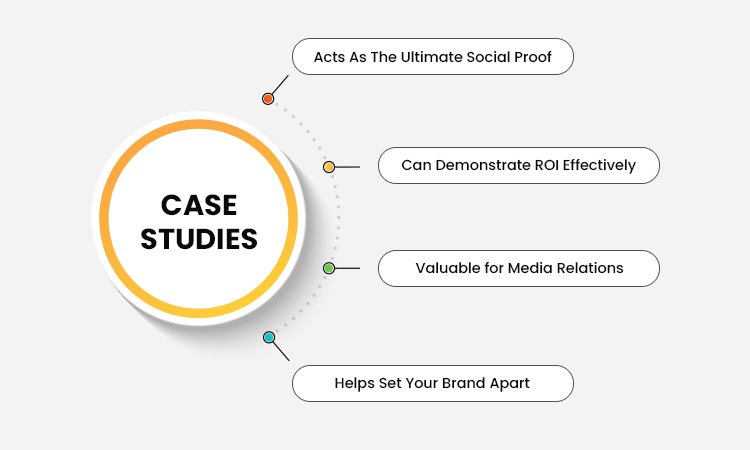
This is exactly where case studies become crucial. Case studies can offer solid, real-world proof of your value. Rather than relying solely on empty promises, case studies can build immediate trust and credibility by demonstrating exactly how you solve specific problems and deliver measurable outcomes.
- How Highlighting Case Studies Can Be Beneficial For Manufacturing Firms?
Here are a few reasons why manufacturing businesses must showcase their case studies:
- Acts As The Ultimate Social Proof
Investors, potential clients, and partners often feel skeptical to trust PR claims. Case studies often act as third-party endorsements and success stories that can authenticate your promises. When audiences see how you successfully navigated a crisis or boosted revenue for others with proper evidence, they are more likely to put their trust in your manufacturing brand.
- Can Demonstrate ROI Effectively
Oftentimes, public relations is mistaken for an immeasurable expense. Case studies directly counter this thinking by showcasing concrete, effective outcomes. This manufacturing PR strategy can showcase the exact before-and-after metrics, such as audience engagement, brand visibility, and higher sales.
- Valuable for Media Relations
Journalists and media outlets often look for engaging, authentic, and data-driven stories. A dedicated, well-crafted pitch for case studies can be more effective than issuing a generic press release. It adds rich context, real-life examples, and an in-depth narrative to an article, which makes it more likely to get chosen and published by media professionals.
- Helps Set Your Brand Apart
In a highly crowded market, every value proposition sounds identical. A comprehensive case study can highlight your unique problem-solving approach, thought leadership, and decision-making capability under pressure.
It can tell a compelling story about your manufacturing brand’s operational excellence that competitors who rely on generic marketing copy could never replicate.
- A Step-By-Step Guide to Develop Engaging Case Studies For Clients?
To create engaging, high-impact manufacturing case studies, here are a few structured steps to follow:
Step 1: Set the Scene and Outline the Client
Manufacturing brands must start by introducing the featured client. Clearly convey what they do, their position within the industry, and what makes them a good fit for your product or services.
Make sure to include some crucial details, including the company name, facility size, scope of the operation, and types of products manufactured.
Step 2: Clearly Define the Problem
In the next step, manufacturing experts must emphasize on the specific pain points or concerns that the clients were facing before working with your brand. Stakeholders care a lot about bridging their own gaps.
When defining the problem in the case study, make sure to include specific client concerns, such as rising maintenance costs or equipment bottlenecks, operational, or financial risks of ignoring the issue.
Step 3: Provide the Solution and Steps to Implement
Manufacturing companies must clearly explain how they stepped in to resolve the issue. This section will contain the necessary details about your methods, processes, or the specific equipment or technology that you have implemented.
This must include the rationale behind your approach, proprietary technology used, and the behind-the-scenes actions required to get the process ongoing on the factory floor.
Step 4: Highlight Measurable Results
Solid numbers speak volumes to B2B buyers. To ensure successful manufacturing PR, make sure to focus on metrics that clearly reflect the marketing objective of the client and present the exact transformation from “Problem” to “Solution.”
Here are some of the examples of Metrics that manufacturing businesses can include:
- Percentage of reduction in cycle time
- Margin improvement or cost savings achieved
- Decrease in defect rates or boost in production yield
- Improvements in downtime or overall equipment effectiveness
Step 5: Include Visuals and Direct Quotes
Make sure to break down complex text by using strategic design elements.
- Visuals: Manufacturing brands can include before-and-after photos, charts, floor diagrams, and infographics to make complicated data easier to remember.
- Testimonials: You can also include direct quotes from client executives, floor operators, and plant managers to foster credibility and build an emotional connection.
Step 6: Distribute Strategically
Once published, manufacturing brands must maximize the reach of their case study.
- Where to Feature: Manufacturing experts must post their case studies on their official website’s resource library, link to it in targeted email nurture campaigns, or develop teaser videos for social media.
- Pro Tip: You can print copies of your case studies for distributing them at events such as webinars, trade shows, or press conferences and invite the featured client to speak on a webinar.
- Craft a Well-Defined Crisis Management Plan

Manufacturing is one of the major sectors that is vulnerable to crises like supply chain disruptions, workplace safety incidents, and product recalls.
82% of organizations that do not invest in a crisis management plan lose more than 50 percent of revenue during a crisis, in comparison to 23 percent with a well-planned crisis management plan.
By having a well-planned crisis communication plan in hand, with a designated spokesperson and a holding statement, manufacturing companies can respond quickly, openly, and successfully to protect the reputation of their brand.
Now, you must be thinking, but how can I develop an effective crisis management strategy for my manufacturing business? Don’t worry, we have got you. In this part of the blog, we will be discussing steps to craft a strategic crisis management plan to ensure successful manufacturing PR:
Step 1: Assemble a Crisis Management
- Clearly Define Roles: Manufacturing companies must assign a clear chain of command, including a crisis manager, legal counsel, communications lead, and human resource representative.
- Assign Spokesperson: Make sure to appoint a primary and secondary spokesperson to manage public and media relations to ensure the spreading of a consistent message.
- Centralize Information: You can also build a physical or virtual command centre where the team can come together safely and securely.
Step 2: Evaluate Risks and Vulnerabilities
- Organize a Brainstorming Session: It is crucial to conduct a brainstorming session to identify industry-specific threats, such as natural disasters, data breaches, or public relations scandals, so that the team can prepare defences before they happen.
- Create a Risk Register: Make sure to evaluate the likelihood of each risk occurring, in addition to its potential business impact.
Step 3: Craft Response Protocols
- Personalize Scenarios: In the case of the most critical risks, manufacturing companies must clearly outline specific, step-by-step response actions.
- Determine Activation Protocol: Make sure to clearly define the exact trigger conditions that will trigger the crisis plan to go into effect.
Step 4: Set Up Communication Guidelines
- Segment Stakeholders: Manufacturing businesses must create personalized communication strategies for clients, employees, vendors, and the media.
- Craft Message Templates: Prepare pre-written press releases and communication templates for various crisis scenarios to accelerate public responses.
- Focus on Transparency: Make sure to focus on delivering consistent, factual, and timely updates.
Step 5: Train Your Employees and Regularly Test the Strategy
- Employee Training: Manufacturing firms must educate staff at every level on their roles, emergency escape routes, and reporting procedures.
- Run Simulations: By conducting regular drills and tabletop exercises, manufacturing experts can test the viability of their crisis management plan and identify major gaps in their strategy.
Step 6: Review and Refine the Plan
- Post-Crisis Assessment: Right after any emergency or drill, manufacturing brands must track the performance to learn from hurdles and improve future responses.
- Consistent Updates: Brands must regularly review their crisis communication strategy to make sure it reflects updated business operations and new technologies.
If you are just getting started and have no idea how to develop an effective crisis management plan, then you can consider seeking personalized crisis management services.
How Can Manufacturing Companies Track The Effectiveness of Their PR Campaigns?
Let’s face it- measuring the success of your manufacturing PR campaigns can be overwhelming with so many metrics available. How would you figure out the ones that actually matter?
So, in this section of the blog, we will discuss the 8 most important PR metrics that manufacturing brands cannot afford to ignore:
- Media Coverage
Getting coverage from the most recognized media outlets is the best way to determine the effectiveness of your PR campaigns. By tracking media coverage, manufacturing firms can see how often, where, and in what context their brand is being mentioned online.
More earned media coverage usually means stronger brand perception and higher credibility.
- How Can Manufacturing Brands Measure This Metric?
- Counting the number of media placements gained across various media channels (such as television, print, podcast, and digital).
- Make sure to determine the quality of coverage- is it just a passing mention or a complete feature?
- Manufacturing brands must monitor media value by leveraging the AMEC Integrated Evaluation Framework to determine the worth of their earned placements.
- Tracking the tone of your coverage and sentiment analysis to guarantee that it perfectly corresponds to your brand’s message.
- Share of Voice
If your manufacturing brand is not a part of the online conversation, then someone else is probably controlling the narrative. Share of Voice (SoV) tracks how much of the media space your brand is dominating in comparison to your competitors.
This metric offers you the ultimate reality check. Are people talking about your manufacturing brand, or are you barely getting involved in conversations? A high share of voice often signals that your PR efforts are actually yielding results, such as increasing visibility or positioning you as a leader in your industry.
- How Can Manufacturing Brands Measure This Metric?
- Manufacturing companies must clearly define the exact list of 3-5 direct competitors in their niche.
- After that, choose a specific timeframe (e.g., a month or a quarter) as well as a media type (e.g., print, social media, and online news).
- Make sure to track how many times your brands and your competitors are mentioned in those channels.
- Finally, divide the number of brand mentions by the total market mentions, and multiply by 100.
- Website Traffic
If your manufacturing PR campaign is performing well, more and more people will visit your website to learn more about your manufacturing brand. An increase in website traffic after a big media hit showcases that your message is aligning with your audience and encouraging people to take action.
Manufacturing companies can track this metric using tools like Google Analytics to analyse referral traffic from various social media platforms and media outlets. Brands must make sure to compare traffic right before, during, and after major PR campaigns to understand the impact.
- How Can Manufacturing Brands Measure This Metric?
- In Google Analytics, navigate to Reports> Acquisition> Traffic acquisition and then change the primary dimension to “Session source” or “Session source/medium.” Filter for specific news outlets such as Forbes and Techcrunch.com to identify exactly how many visitors each publication is sending.
- Manufacturing brands can consider adding UTM parameters such as source, campaign, and medium to the URLs of their landing page by implementing the Google Campaign URL Builder. Once published, manufacturing brands must monitor the specific success of these links by searching for the name of their campaign in the Traffic Acquisition report of Google Analytics under the “Session” campaign dimension.
- Make sure to check Google Search Console Performance Report and filter for queries that contain the name and product of your brand during or immediately after running the PR campaign. Manufacturing firms can compare their organic branded traffic volume during the campaign week against the starting point to measure their PR-driven search lift.
- You can also use PR tools for manufacturing, like Meltwater, Cision, or CoverageBook, to track media sentiment. These platforms integrate directly with analytics to correlate specific media placements with an increase in traffic during your campaign dates.
- Media Impressions
Getting published is not the main thing; how many people are seeing your coverage is what matters the most. Media impressions track the total size of potential audiences that your media coverage has reached. The higher the impressions, the greater the reach and brand visibility.
- How Can Manufacturing Brands Measure This Metric?
- By leveraging media monitoring tools, manufacturing firms can monitor circulation, online traffic, and readership of media outlets that feature their brand.
- Evaluate the number of times a media publication has featured your story. For example, if your manufacturing company is featured in an article on a news site that has 1 Lakh monthly visitors, that equals 1 Lakh media impressions.
- In case your PR content is featured in multiple news media outlets, manufacturing brands must add together the total viewership or circulation of each media outlet to calculate their total impressions. .
- Monitor social media analytics to determine how widely PR-driven content is being shared and viewed by users.
- By comparing impressions to engagement, manufacturing companies can determine whether or not people are actually interacting with their content.
- Brand Mentions
It can be two things: your brand could either be the buzz of the town or an afterthought. Brand mentions track how often your manufacturing firm is being discussed across media outlets, forums, blogs, and social media.
By implementing tools like Meltwater, Google Alerts, and Mention, manufacturing companies can easily monitor these conversations to monitor how often their brand name is appearing online.
- How Can Manufacturing Brands Measure This Metric?
- Manufacturing brands must monitor mentions of their product lines, company name, direct competitors, or major executives. By using platforms like Cision, Meltwater, and Brand24, manufacturing experts can collect coverage from trade publications, social media, and news outlets from a single dashboard.
- Remember, not all mentions are valuable or carry equal weight. By tracking sentiment, manufacturing brands can get a clear idea of how their brand is perceived online. This is one of the most crucial manufacturing PR metrics to track. Implement AI-powered tools like Mention or Brand24 to automatically classify mentions as positive, negative, and neutral. This can help manufacturing experts to monitor reputation shifts and identify a crisis in its early stages.
- Manually tracking brand mentions in various media outlets and social media is almost impossible. Manufacturing brands must go for software-based brand mention monitoring tools on the basis of their campaign goals. For example, use Google Alerts to determine where your brand is featured in news sites and industry blogs, or Brands24 to track real-time discussions on LinkedIn and Reddit.
- Social Media Engagement
If your PR campaign is not bringing in engagement on social media, you are basically letting go of valuable opportunities. Higher social media engagement means that your message is aligning with your target audience, enhancing brand reputation, and generating discussions.
- How Can Manufacturing Brands Measure This Metric?
- Manufacturing brands can implement social media analytics tools to track engagement rate, reach, and audience interaction.
- You can also track shares, likes, comments, and mentions across all social media platforms to monitor the number of people who are engaging with your brand.
- Consider analyzing sentiment to understand whether those conversations are positive, negative, or neutral.
- Public Relations ROI
You are investing in PR campaigns, but if you are not tracking their ROI, then what’s the point? Return on Investment for PR means linking your PR efforts to real outcomes.
If you do not have the answer to “What did I achieve from my PR campaign?” then you will not be able to understand whether you are on the right path or not.
- How Can Manufacturing Brands Measure This Metric?
- Assessing lead generation and website traffic before and after the PR campaign.
- Monitoring Google keyword improvements to ensure better long-term SEO performance.
- Tracking revenue generation, number of sign-ups, and customer inquiries
- Evaluating conversion rates from PR-driven traffic.
- Sentiment Analysis
Not all brand mentions have to be positive. There can be hundreds of articles written about your brand, but not all of them have written good things about you. This is where sentiment analysis comes into play.
Sentiment analysis goes beyond quantity to track the brand perception behind your coverage. Are people hyped about your brand, neutral about it, or simply angry?
- How Can Manufacturing Brands Measure This Metric?
- Manufacturing businesses can implement media monitoring tools like Meltwater and Brandwatch to monitor customer feelings and compare sentiment shifts before and after key PR campaigns.
- Then, look at how the software sorts your mentions as positive, negative, and neutral and refine your PR strategy if your brand is continuing to receive negative sentiment.
5 Major PR Mistakes That Manufacturing Firms Must Watch Out For
Industrial public relations often demands strategic planning and careful execution. However, even experienced PR professionals make mistakes that can hamper their PR success.
In this blog, we will be discussing the major mistakes of public relations for manufacturing companies:
- Treating Public Relations Like Advertising
Developing press releases to simply list down product features or using overly promotional language is one of the major mistakes of manufacturing PR.
- How To Fix This?
Manufacturing brands must shift their focus from selling to educating. When crafting press releases, make sure to emphasize how your products solve real-world industry problems, showcase your case studies, and position your leaders as go-to sources in the industry.
- Lacking a Proactive Crisis Management Plan
Yet another mistake that manufacturing companies often make is waiting for a crisis, like workplace incidents or product recalls, to happen before deciding who will talk to the media.
- How To Fix This?
The best way to avoid this mistake is to draft a detailed, up-to-date crisis communication strategy. Manufacturing companies must identify well-trained spokespersons, outline clear communication channels, and develop messaging frameworks for various scenarios.
- Not Focusing on Relationship Building
Building meaningful relationships is one of the main goals of public relations. However, some manufacturing brands fail to invest time and effort in fostering strong relationships with thought leaders and journalists. This can lead to negative publicity as well as missed opportunities for media coverage.
- How To Fix This?
Manufacturing brands must actively engage with established journalists, influencers, and bloggers. Take your sweet time to understand their needs and interests, and offer them timely and relevant information.
By building mutually beneficial relationships, manufacturing companies can boost the chances of securing positive media coverage and establishing valuable relationships.
- Sending Pitches to the Wrong Journalists and Influencers
Sending pitches to the wrong journalists and influencers is like sending a delivery to the wrong address- it will not yield the desired results. Before you send a pitch to a journalist or influencer, it is crucial to conduct thorough research. This research will help you identify the right bloggers, journalists, and influencers who perfectly align with your target audience.
- How To Fix This?
Before making your pitch, invest your time in researching the media outlets or individuals that you are planning to reach out to. Engage with their content, offer expert opinion on wider industry trends in order to position yourself as a reliable resource. Make sure their audience matches your target audience and that your message corresponds to their interests.
- Failing to Personalize Your Message
Sending a generic message to everyone you are pitching is one of the biggest PR mistakes that manufacturing brands often make, and might lead to the loss of interest of recipients. In order to capture the attention and engagement of journalists and media outlets, manufacturing firms must personalize the tone of their message.
- How To Fix This?
Manufacturing companies must tailor their pitches to match the exact readership of the media outlet. By personalizing your messages, you can show the journalists and media outlets that you understand their beat and clearly explain why the story matters to their specific audiences.
FAQs
Ans. Manufacturers can establish thought leadership through public relations by publishing proprietary research, contributing expert op-eds to industry trade publications, and securing speaking slots at virtual-specific conferences.
Ans. The golden rule of manufacturing public relations is building authenticity through transparency. As the manufacturing sector fundamentally includes complex operations, supply chains, and technical processes, customers often value authenticity over flashy advertisements.
Ans. No, genuine PR cannot guarantee earned media coverage because journalists independently control editorial decisions and serve their audiences, not your manufacturing brand.
Ans. A manufacturing firm must partner with a PR agency when they are looking to scale, launch a new product, or secure third-party credibility organically. By implementing personalized PR services, manufacturing businesses can translate complicated technical operations into engaging narratives for B2B buyers.
Ans. In order to choose the right manufacturing PR agency for your firm, you must assess agencies based on trade media relationships, sector expertise, and content capabilities rather than just generic PR buzz. The best manufacturing public relations agencies specializes in manufacturing public relations and can break down technical jargon into engaging, industry-specific stories.
Conclusion
Although often overlooked, the importance of manufacturing PR cannot be overstated. It is one of the biggest factors for supporting growth and building brand credibility. If you are looking to build strong connections with reputed journalists within your sector and gain third-party validation, then public relations is exactly what you need.
By considering the above-mentioned PR strategies and measuring the vital metrics, manufacturing businesses can ensure the effectiveness of their PR campaigns. Still confused on how to get started? Then you can perhaps consult a professional public relations agency.
