

You want to stand out in the heavily crowded insurance sector, but have you ever wondered how? The answer is through a robust insurance PR strategy. Having an effective PR strategy in hand is the secret to building a strong brand image and long-lasting connections.
A lot of insurance companies have this weird misconception that PR is simply about writing compelling press releases. However, it is not. Effective public relations includes crafting the right message, reaching the right audience, and guaranteeing that your insurance brand stays relevant in the long run. Whether you are introducing a new health plan or navigating serious challenges, having a well-defined PR plan is non-negotiable nowadays.
If you are an insurance company that is looking to build trust among audiences, boost credibility, and enhance brand reputation through effective PR, then this blog is for you. It will give you a clear idea of why insurance companies must invest in public relations, the best PR strategies for insurance companies, and more. So, ready to get started?
What is Insurance PR?
Before we move on to the benefits public relations will offer to an insurance company, let’s first discuss what PR is for insurance companies.
Public relations for insurance companies is the process of strategically managing online reputation that aims to foster trust, enhance credibility, and build positive relationships with policyholders, investors, and the general public.
This digital marketing approach involves handling crisis situations, managing media relations, and showcasing corporate social responsibility to transform a “Faceless” entity into a trusted partner for people.
6 Reasons Why Insurance Companies Need Effective PR?
Now that we have a clear understanding of what insurance public relations is, here are some of the reasons why insurance companies must consider effective PR:
- Successful Reputation Management and Crisis Control
Insurance is a high-risk, crisis-prone sector. Effective public relations is crucial for reputation management, allowing insurance companies to dynamically shape public perception and professionally respond to negative situations, such as massive claim incidents.
A solid, proactive PR strategy can help build up a “goodwill bank” reserve that can help your insurance company navigate potential crises more efficiently.
- Shaping the Brand Narrative
In an industry that is often misunderstood, public relations helps insurance companies to take control of their story, such as breaking down complex policies, showcasing community impact, or highlighting a strong commitment to customers.
It allows insurance companies to successfully define their brand values and voice rather than allowing competitors to control the dialogue.
- Improving Digital Presence and SEO
Effective digital PR for insurance firms can ensure that the story of your insurance company is easily found online. It not only enhances SEO by securing articles, features, and mentions on high-authority sites but also helps drive organic traffic to your insurance website.
Search engine optimization can help insurers rank higher in the search engine results, boosting visibility in a highly competitive insurance market.
- Captivating the Best Talents and Potential Investors
A robust public image nurtured by effective public relations can make an insurance company more attractive to prospective customers, partners, and investors.
By showcasing your company’s growth, industry leadership, and innovation, public relations can position your insurance company as a trusted and forward-thinking expert in the industry.
- Building Trust and Credibility
Trust is the foundation of any insurance company, as customers pay for a promise of protection. By incorporating effective insurance PR, companies can build credibility through third-party validation, such as media features.
These validations carry more weight than self-promotion. This is very important for overcoming customer skepticism and establishing your insurance company as a reliable partner in the industry.
- Generating More Leads and Sales
Strategic public relations can position your company leaders as industry experts, fostering more trust among potential customers. By leveraging hyper-targeted content and thought leadership, public relations can generate leads more efficiently than advertising.
This is because customers are more likely to take services from an insurance company that they trust and respect.
8 Best Public Relations Practices that Insurance Companies Cannot Afford to Overlook
With the right PR strategy, insurance practices can communicate effectively, engage with customers, and leave a long-lasting impression.
If you are curious about how to create an effective PR strategy that can help drive success for your insurance company, then this section will provide the exact details for this.
- Build Strategic Partnerships with Renowned Journalists and Influencers

Building strategic partnerships with niche-based influencers and expert journalists can help insurance companies to reach a wider audience. By collaborating with finance influencers, insurance brands can target their loyal audience base, expanding reach.
Not only that, but getting your brand story featured by renowned media outlets or covered by journalists can add third-party credibility to your company.
Now, in order to target and reach the right audiences, it is crucial to choose the right journalists and influencers. So, here’s how insurance companies can identify the right influencers and media outlets:
- Identifying the Right Influencers for Effective Insurance PR
- Focus on Micro-Influencers: Influencers with about 5,000- 50,000 followers often offer a higher engagement rate and greater trust in comparison to macro-influencers.
- Emphasize Niche Expertise: Insurance companies must go for creators who specialise in family well-being, personal finance, small businesses, or real estate to reach targeted audiences, such as young professionals or new homebuyers.
- Use LinkedIn for High-Intent Leads: LinkedIn influencers, such as CXO, HR, or finance content creators, are a great way to reach working professionals who are looking for long-term health plans or HR managers who are seeking group health insurance.
- Evaluate Alignment and Assessment: Make sure to choose influencers whose tone aligns with that of your brand. Prioritize influencers who focus on sharing valuable and authentic stories over hard-selling products or services.
- Leverage Specialized Tools: Insurance companies must leverage platforms like inBeat, Upfluence, and Tracker to monitor engagement, audience demographics, and compliance, guaranteeing the influencer has a clear idea of the regulated requirements of the insurance industry.
- Identifying the Right Media Outlets for Effective Insurance PR
- Target Financial and Customer Education Outlets: The first thing to consider when searching for the right media outlets, insurance companies must look for publications that focus on insurance tech, personal finance, or consumer advocacy, such as MSN or Mirror Money.
- Reach Out to Journalists on HELO: Insurance companies can leverage platforms like Help A Reporter Out to connect with renowned journalists who are looking to seek expert opinions on property or health insurance, building credibility.
- Use Local and Niche Media: For specific insurance types, insurance brands can target trade publications or local media in order to reach targeted demographics. For example, “What Car?” For vehicle insurance.
- Leverage Data-Driven Pitching: Make sure to create “new hooks” based on internal claims data, such as determining the best cars affected by falling used prices in order to secure media coverage.
- Create a Transparent Communication Strategy

In the insurance sector, transparency is non-negotiable. Transparency can help establish trust and credibility among your audience in public relations.
To ensure successful insurance PR efforts, engaging authentically and honestly with audiences is vital. This is because it can help build meaningful connections, mitigate risks, and elevate your brand’s online reputation.
How can Insurance Companies Develop a Transparent Communication Strategy?
Here’s a step-by-step guide on how insurance brands can craft a transparent communication strategy.
- Implement a Customer-Centric Communication Framework
- Incorporate Plain Language: In order to develop a clear communication strategy, insurance companies must avoid the use of legal jargon and technical terms in marketing materials, policy documents, and correspondence. Make sure all your policies are easily understood by the majority of customers by focusing on what is covered rather than exclusions.
- Dynamic Information Sharing: Rather than waiting for inquiries, notify customers beforehand about premium changes, renewals, or coverage updates.
- Empathy During Crisis Situations: Insurance companies must make the claiming process transparent by offering regular, automated status updates (e.g., email, SMS). This minimizes customer anxiety and trust issues during stressful moments.
- Personalize Your Communication: Make sure to use customer data to offer personalized advice and dynamic risk management tips. For example, insurance firms can share valuable tips to prevent property damage.
- Leverage an Omnichannel Strategy
- Meet Customers Where They Are: Insurance services must offer a simplified experience across various digital channels, such as WhatsApp chatbots, mobile apps, and social media, as well as traditional channels such as call or in-person. Consistency is vital; a customer should be able to ask a query via chat and continue it on the phone without having to repeat problems.
- Self-Service Portals: By implementing user-friendly digital tools that allow customers to successfully manage policies, access information 24/7, and file claims without the need to contact a representative.
- Foster Trust Through Transparency
- Disclose All Exclusions: Insurance companies must clearly list all their exclusions upfront in order to avoid any misunderstandings and guarantee that the customer has a clear idea of what type of services they are taking up.
- Acknowledge Mistakes Directly: In case of errors such as a claims denial mistake, insurance companies must address it openly, apologize, and clearly list down the steps taken to fix it. This accountability can transform a prospective crisis into trust-building opportunities.
- Data Transparency: Make sure to clearly communicate how personal data is being used, collected, and protected, adhering strongly to privacy regulations such as GDPR.
- Tell your Brand Story Through Content and Messaging

One of the major shifts that occurred in public relations over the past few years is the need for insurance companies to be able to tell their own brand story.
Although public relations heavily relied on media and intermediaries, owned media is one of the most crucial aspects of modern communications. This lets insurance companies completely control the tone, quality, and cadence of shared information, ensuring their narratives reach stakeholders successfully.
In order to achieve this, insurance brands must develop editorial calendars specifically personalized to the interests and priorities of audiences.
Here are some elements that effective corporate and brand messaging incorporates:
- Clarity and Consistency: Insurance companies must make sure that the information they provide is uniform across various platforms, such as press releases, websites, and social media. This is especially crucial for building a clear, recognizable brand identity.
- Emotional Storytelling: By developing engaging narratives that resonate well with the values and emotions of the audience, insurance companies can foster stronger connections.
- Credibility and Transparency: Supporting claims with proper proof points, such as case studies, can ensure transparent communication.
- Audience-Centric Focus: Insurance companies can define customer personas in order to personalize their messaging to the unique needs, wants, and concerns of customers.
- Proactive Crisis Management: Maintaining a solid reputation management plan can immensely help respond promptly to crisis situations.
- Strategic Availability: Incorporating AI optimization, SEO, and data analytics can ensure that your content is found and resonates effectively with your audiences, adapting as required.
If you are a startup insurance company trying to spread your brand message through effective content and messaging, then you can perhaps seek professional insurance PR services.
- Aim to Become a Thought Leader in the Industry

Ever wondered how it feels to be a thought leader in your industry niche? Well, through effective insurance PR, you can establish your company as a reliable resource in your industry.
By developing high-quality, authentic, and non-promotional content through owned, earned, and paid channels, insurance brands can position themselves as a trusted authority in the sector. Thought leadership can be very effective for establishing trust, fostering engagement, and creating new opportunities.
Here is how insurance companies can get started:
- Clearly Define Your Category: The first essential thing to consider to position your insurance company as a thought leader is rather than targeting multiple areas, focus on a single area where you can become a leading voice.
- Create Relevant Themes: Make sure to identify topics and themes that clearly align with your industry and major messages.
- Develop Compelling Content: When you are starting to create content, first, start by posting blogs on your website regularly. Move beyond long-form pieces like whitepapers and eBooks. Search for opportunities to contribute op-eds or guest posts to external sites.
- Distribute Your Content: Insurers can promote their content through email, social media, and paid advertising in order to reach their audience.
- Hit the Trail: You can engage in conferences, join panels, host webinars, and participate in other forums to share your experiences.
- Take Up Speaking Opportunities: Keynotes and panel discussions often allow executives to share valuable insights and connect effectively with stakeholders
- Expert Commentary: Positioning executives as reliable sources for media quotes- enhancing credibility and visibility.
- Podcasts and Guest Blogs: Make sure to secure guest spots on podcasts or contribute to relevant blog posts for a controlled platform to share your message.
- Apply for the Right Awards: Insurance practices must focus on programs that perfectly align with your company’s strengths, such as employee engagement, customer service, or innovation.
- Tell an Engaging Story: Make sure to develop thoughtful, error-free applications that highlight the unique personality and achievements of your insurance company.
- Share your Success: Promoting your wins through social media, press releases, and your website to attract investors, employees, and customers.
- Write Compelling Press Releases
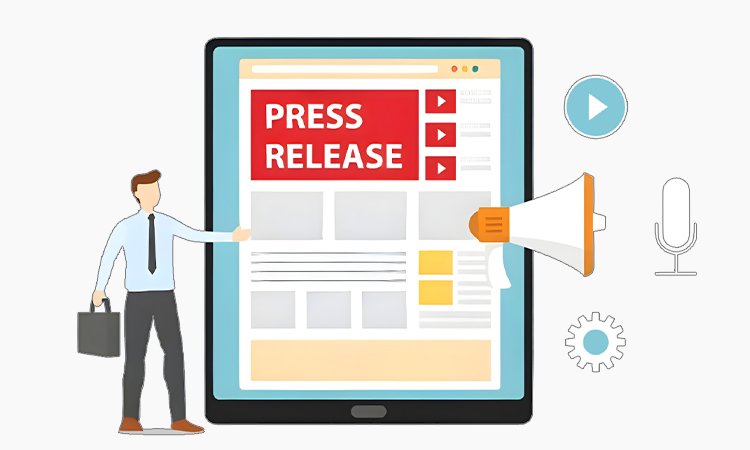
By developing engaging press releases, insurance companies can build a bridge between the media and their brand. This directly impacts the chances of earning media coverage with too much information.
However, that’s not it. So, let’s get into the details of why creating effective press releases matters for effective PR:
- Building Trust and Brand Credibility: A press release that is both well-written and maintains a professional tone can help position your insurance company as a reliable, highly authoritative source of information. This is particularly crucial for startups or small businesses that are looking to establish a positive reputation and trust among prospective clients.
- Shaping the Narrative: In times of crisis or major shifts within the company, publishing a press release can help insurance companies to clearly demonstrate their own narrative directly to the public and media, minimizing the spread of misinformation.
- Securing Media Coverage: Journalists are more likely to cover or publish news stories based on press releases that are not only clear and to-the-point but are also newsworthy. Rather than draining all your budgets on paid advertising, insurance companies must focus on producing compelling press releases to increase the chances of earning the attention of the media.
- Aligning Brand Message: The process of writing a press release can help insurance companies to adjust their strategy, clarify the benefits of their plans, and ensure a consistent brand message across various communication channels.
- 8 Crucial Tips to Craft Compelling Press Releases that Journalists Love
Crafting an attractive press release is a vital skill for literally every insurance company or organization looking to get the attention of the media and boost brand visibility.
In this section of the blog, we have discussed a few effective tips to create press releases:
- Start with a Compelling Headline
The headline of your press release must be concise, engaging, and most importantly, summarize the newsworthy aspect of your press release. Consider a strong and compelling headline that evokes the interest of journalists or media professionals and encourages them to read further. For example, “XYZ Insurance Agency Receives Prestigious Industry Award for its Exceptional Customer Service and Innovation”
- Offer a Short and Clear Summary
Immediately after the headline, insurance companies must include a summary sentence that encapsulates the key highlights of the press release and entices readers to scroll further and read the press release.
- Create an Engaging Lead Paragraph
The lead paragraph of your press release should expand on the summary, offering the “who, what, when, where, and how” of your news. Leverage plain and engaging language to keep readers hooked.
- Leverage Clear and Simple Language
Remember, press releases are one of the most important aspects of effective insurance PR. When developing press releases, insurance companies must maintain a professional and objective tone for their press release. Make sure to use clear and plain language that aligns perfectly with laymen and avoid getting too much into detail.
A press release is supposed to be like a teaser for your full story. Remember, journalists receive thousands of brand stories every day, so they do not have a lot of time to sit and read lengthy press releases.
In order to make sure your press release gets the attention of renowned journalists and media outlets, insurance companies must keep their press release short and avoid using too much technical jargon.
- Focus on Newsworthy Information
Make sure your press release offers something newsworthy and valuable to the readers. Whether it is a new plan, an event announcement, or a milestone achievement, insurance companies must emphasize on offering information that is not only relevant but also interesting to their target audience.
- Implement Relevant Quotes
Including quotes from major stakeholders, such as industry experts or company executives, can add value and authenticity to your press release. Engaging quotes can add additional perspectives and help journalists tell an interesting story to their audience.
- Leverage Multimedia Elements
To further enhance their press releases, insurance companies can incorporate multimedia elements such as high-resolution images, videos, infographics, and logos. Visual content can be immensely helpful in making your press releases more interactive and shareable- increasing the chances of getting more media coverage.
- Include Accurate Contact Information
When driving towards the conclusion, include a website where readers can find further information on the subject matter.
Insurance companies must include accurate contact information for reporters to reach out to them, including the name, email address, and contact number of a media contact person.
Make sure the outreach process is seamless and keep in touch with the journalists even after publishing a press release for further interviews or information.
- Be Well Prepared for Crises

As we discussed before, the insurance sector is filled with risks. No matter how careful you are, no insurance company is immune to crises. Whether it is a data breach or false claims, when a crisis occurs, stakeholders are the first people to ask for immediate information and its direct impact.
Poorly handling a crisis might erode the trust of stakeholders and clients while also harming the reputation and share prices of your insurance company. If you do not act fast, someone else will, possibly shaping the narrative of your crisis situation.
While predicting an unexpected crisis is almost impossible, what insurance businesses can do is have a well-defined crisis plan in hand.
Here are 6 best practices to develop a solid management plan that can help your insurance company effectively respond to crises:
- Identify Possible Risks
Insurance companies should start by assessing prospective risks that are unique to your industry or company, as well as common vulnerabilities that any business might face.
- Organize a Crisis Management Team
Next, form a solid crisis management team. This should include a lead- such as the founders of your insurance company or other external consultant- and other representatives from major departments like operations, HR, legal, and IT.
- Set Up Protocols and Train Spokesperson
Insurance businesses must train spokespeople for every type of prospective crisis. These should be senior leaders who can transparently deal with a crisis situation. Offer them relevant media training to make sure they interact effectively even when under pressure.
For successful insurance PR, insurance companies must clearly define communication protocols, including notifying the crisis communication team, the right time to act, and the structure of their communications tree.
- Create Messaging in Advance
Although not every crisis situation can be predicted, insurance companies can create effective messaging templates for constant optimization during crises. Issuing a generic “Holding Statement” instantly and creating materials like press releases, FAQs, and CEO emails that can be especially personalized to specific events.
- Identify Key Stakeholders and Communication Channels
Insurers must try to identify who their primary stakeholders are and focus on notifying them instantly before they learn about the crisis elsewhere. Determine a well-defined way to reach out to them and plan accordingly.
- Revise and Adjust the Crisis Communication Plan
Old content never works out, no matter how good it is. Similarly, with the rapidly changing insurance market, new trends and standards are also emerging. Modern crises need modern solutions. So, to stay updated, insurance companies must regularly revise their crisis management plan, usually once or twice a year.
Every time after the revision, insurance companies must closely analyze the strengths and weaknesses and refine their crisis management plan as needed. In case you are just starting out and have no idea how to proceed with crisis management, you can perhaps seek professional crisis management services.
- Leverage Social Media to Your Advantage

Nowadays, every brand is a publisher, and every business is operated on a digital platform. The stories and content that are being shared on social media clearly define the point of view of your brand and boost awareness, advocacy, and affinity.
Now, you must be thinking, how can social media influence my PR efforts? Here’s how it can be.
- Offers a Great Opportunity to Share Thought Leadership
Social media can be very effective in intensifying brand awareness by sharing valuable brand and executive content with the target audience. This can help insurance companies drive traffic to major resources.
- Help with Real-Time Communication During a Crisis
During crisis situations, social media can serve as a real-time tool that can distribute updates, deal with misinformation, and closely track threats.
- Establish Strong Media Relationship: By engaging with influencers, journalists, and relevant stakeholders on social media, insurance services can build deeper connections and open doors for future collaborations.
- How can Insurance Companies Use Social Media to Ensure Effective Public Relations?
- Set Up Clear Objectives: Setting up real goals is crucial for every business, irrespective of the sector it belongs to. However, it is especially important in the finance sector. Clearly define your goals, such as increased follower count, more client engagement, or higher ROI.
- Select the Right Influencers: Insurance companies must partner with influencers that their audiences actually engage with and choose partners that clearly align with their brand’s goals.
- Tell an Engaging Story: By partnering with influencers, insurance companies can create finance-related content that is not only genuine but also resonates perfectly with their audience- encouraging audiences to engage and take up a service.
- Establish Long-Term Relationship: Insurance brands must build robust relationships with influencers to keep their insurance company at the top of mind and showcase their commitment to the company.
- Develop a Post-Campaign Strategy: Pre-campaign strategy is crucial, but what is a post-campaign strategy? By developing a post-social media campaign strategy, insurers can attract new followers with a personalized follow-up, such as exclusive offers on a specific healthcare plan. This can not only increase sales but also foster long-term loyalty.
- Measure the Impact of Your PR Efforts

Analytics and management are two of the most crucial components for evaluating the effectiveness of your public relations efforts. By incorporating advanced tools that monitor public engagement and sentiment.
Insurance PR is not a “set-it-and-forget-about-it” marketing strategy. To ensure a PR campaign is performing well, insurance companies must regularly track it.
So, here are a few ways in which insurance companies can measure the success of their PR campaign:
- Website Traffic and Referral Analytics
An effective PR campaign is supposed to generate an increase in visitors to your website:
- Unique Page Views and Visitors: Insurers must track an increase in website traffic during and immediately after a campaign launch.
- Referral Tracking: Make sure to leverage UTM parameters on links that you are including in press releases to determine which media placements are bringing in the most traffic.
- Increased Organic Search: By closely observing an increase in people who are searching for your company name directly, insurance companies can ensure a growth in brand awareness.
- Lead Generation and Sales Conversion
For insurance companies, the ultimate goal is to generate quotes and binding policies. PR success is often measured by the quality of queries.
- Inbound Leads: Make sure to monitor the number of inquiries, form fillups, or quote requests that often originate from PR-driven content or media mentions.
- Bind Rate: Insurers must analyze the percentage of leads from a specific PR campaign that turn into paying policyholders, helping measure the return on investment (ROI)
- Media Coverage, Reach, and Quality
Tracking the quality and quantity of media mentions is a vital metric:
- Media Impressions: Make sure to count the number of people who saw your messages by evaluating the circulation of publications or website visitors of outlets that are included in your brand story.
- Top-Tier Placement: Insurance companies must focus on quality over quantity. A single article in a well-respected financial publication can add more value than numerous brand mentions in unknown hashtags.
- Share of Voice: Measuring the online presence of your insurance company compared to visitors can help determine your position in the insurance market.
- Sentiment and Effective Reputation Management
In the insurance sector, trust is one of the major aspects of success. In order to measure how the audience talks about your insurance company, it is as important as how they talk about it:
- Sentiment Analysis: By leveraging tools such as Meltwater and Cision to identify whether or not the media coverage and social conversations are positive, negative, or neutral.
- Message Pull-Through: Insurance services must clearly evaluate whether major messages, such as “most reliable” or “fastest claims” from your press releases, are being included in the published articles.
- Impact on SEO and Backlinks
For insurance companies, public relations can significantly enhance search engine optimization by generating high-quality backlinks from authoritative news sites:
- Domain Authority: Constantly monitoring improvements in your site’s SEO that have occurred after a PR campaign.
- Branded Search Lift: Make sure to track whether or not more people are searching for your insurance brand. This is crucial because consistent brand coverage often opens doors for higher search volumes.
- Social Media Engagement
This metric helps insurance services to determine if their PR campaign is resonating well with the target audience:
- Amplification: Insurance companies must keep a close track of the social media likes, comments, shares, and mentions that are related to your PR campaign.
- Brand Mentions: Make sure to track conversations about your insurance company on various social media platforms.
Most Common Public Relations Challenges and How to Navigate Them
Public relations is one of the most important and daunting digital marketing efforts. When we talk about public relations, insurance companies often think it is simply about crisis management. However, that is simply not true as insurance PR goes much beyond crisis management.
It works alongside marketing and investor relations to showcase the positive on a progressing basis. The more the public relations sector keeps emerging, the more challenges insurance companies are likely to face.
So, in this section of the blog, we have discussed some of the major public relations challenges that insurance companies must know and how to navigate them:
- Identifying the Right Journalists and Influencers
With the shrinking number of newsrooms and media noise increasing, finding the right journalists and influencers can be very difficult.
Do you know that half of the journalists said that they receive more than 50 pitches a week on average? This might lead to higher rejections for generic outreach.
So, how can insurance companies navigate this PR challenge?
- Leveraging Data-Driven Tools: Insurance companies can use AI-platforms like MuckRack or Meltwater to identify journalists who actively cover your specific niche rather than broad topics.
- Hyper-Personalization: Make sure to thoroughly go through the recent works of a journalist to personalize your pitches, focusing on how your brand story can add value to their existing narrative.
- Emphasize Micro-Influencers: Engage niche influencers with highly engaged, smaller audiences rather than just renowned celebrities, as they offer higher conversion rates and better trust.
- Ignoring Effective Crisis Management
No matter how good you are or how much effort you put into something, sometimes things go wrong, and this is where effective crisis management comes into play.
A lack of a crisis management plan and slow response times can severely damage the reputation of an insurance company.
Effective Tips to Navigate This PR Challenge?
- Determining potential risks and worst-case scenarios can help insurance companies to prepare for possible risks, providing a clear strategy on how to respond immediately to crises.
- Insurance companies must assign roles to vital people and incorporate early detection systems to dynamically identify problems as they develop.
- Make sure to regularly review your crisis management plan and plan accordingly so everyone is prepared.
- Making your Brand Message Stand Out
This is one of the major insurance PR challenges that insurers often face. When it comes to getting the attention of good journalists and media outlets, you will find yourself in a huge war field with a lot of strong competition- especially in the insurance sector.
In order to develop a pitch that really stands out, insurance companies must personalize their messages to the individuals they are reaching out to.
Effective Tips to Navigate This PR Challenge?
- Focus on Founder-Led Narratives: Nowadays, the audience trusts in moving forward with individuals. In order to navigate this challenge, insurance companies must position their founders and executives as authoritative voices in the industry, rather than relying solely on logo-centric, corporate messaging.
- Create a Niche Strategy: Insurance companies must make sure to understand a specific audience or gap that competitors are neglecting, and take advantage of that niche rather than trying to appeal to everyone.
- Leverage Visual Storytelling: To make your brand message stand out, insurance firms must provide journalists and reporters with ready-to-use multimedia, such as data visualizations, infographics, and high-quality images to support their pitches.
- Be Transparent and Authentic: Customers are increasingly discerning and often value honest, purpose-driven narratives rather than over-the-top “spin.”
- Insufficient Media Relations
For businesses, irrespective of the sector, the media can be their best friend for positive PR. However, a lot of insurance companies completely neglect the value of fostering strong media connections with renowned journalists and media outlets.
This might make them miss out on achieving favourable coverage that builds credibility among the public.
Effective Tips to Navigate This PR Challenge?
- Target Local and Niche Media: Rather than going for national headlines, insurance companies must build robust relationships with local newspapers, trade publications, and community blogs. These outlets are often eager to cover local stories and have a very high engagement rate.
- Create a DIY Media List: Insurance companies can leverage tools like LinkedIn to find relevant reporters and follow them on social media to determine their beat before pitching them.
- Emphasize “What” and Not Just “Why”: Journalists often prefer unique, human-interest stories over generic company news. So, make sure to offer exclusive, newsworthy content or expert opinions on trending topics rather than just press releases.
- Personalize Pitches: Insurers must avoid sending mass emails and personalize each pitch by addressing the journalists by name and clearly demonstrating why the story aligns with their specific audience.
- Noise Across Different PR Channels
The increasing number of digital channels has created a “broken signal-to-noise ratio,” which requires a shift toward strategic rather than constant and generic messaging.
Effective Tips to Navigate This PR Challenge?
- Implement the PESO Approach: Insurance companies must incorporate paid, earned, shared, and owned media into a robust strategy in order to guarantee consistent messaging across all channels.
- Emphasize on “Zero-Click” Content: In 2026, the majority of people trust and get their answers from AI summaries without even clicking through to websites. Insurers must ensure that the name of their insurance company is mentioned and cited by these platforms by focusing on high-value earned media.
- Leverage Social Listening Tool: Insurance companies can leverage the social listening tool to determine emerging trends and conversations, allowing your insurance company to align with the value instead of just simply adding to the noise.
- Be Instantly Responsive: In 2026, audience response times are almost immediate. Insurance companies must have a proactive, well-defined crisis management plan in hand to effectively manage reputations instantly when minor issues arise.
FAQs
Insurance companies can measure the success of their PR campaigns by monitoring key performance indicators that clearly align with specific business goals, such as boosting brand awareness, shaping public sentiment or driving lead generation.
AI plays a revolutionary role in modern insurance public relations, shifting it from reactive corporate messaging to a more proactive, personalized engagement and reputation management.
Insurance companies must generate high-quality leads through PR by positioning themselves as authoritative sources, leveraging educational content to establish authority, and engaging in community outreach.
Insurance public relations campaigns usually take three to six months in order to show significant and measurable results, with noticeable momentum often building after 1 year of consistent activity.
Conclusion
In the highly competitive insurance sector, the implementation of effective insurance PR has never been so crucial for business success. This article has discussed 8 effective PR strategies that can help insurance companies boost their online visibility and reputation while building meaningful connections with the target audience.
However, insurance businesses must watch out for the major PR pitfalls to make sure their PR efforts are paying off. In case you are just starting out and have no idea how to proceed, we recommend partnering with a PR expert.
