Education is the most trusted and competitive industry in the world. Be it a charter school, university, budding EdTech startup, or a training institution, every education brand demands effective education PR to grow and thrive in the densely populated market
Modern-day parents, students, and stakeholders are not stuck to the old mindset anymore. They now make decisions based on credibility, reputation, and online visibility, making public relations non-negotiable for this sector.
Effective public relations can help educational institutions grow by establishing trust, increasing visibility, and enhancing credibility through careful communications, such as compelling storytelling, powerful media relations, and efficient crisis management.
If you are an educational institute struggling to establish strong online visibility, then worry not, we’ve got you covered. This blog will give a clear idea of what educational public relations is, why it matters, best PR practices, and more. So, let’s get started.
What is Education PR?
Public relations for educational institutions is the strategic management of communication used by education brands to improve the reputation of their universities, schools, and educational organisations.
Now you must be thinking, isn’t public relations the same for every sector? Absolutely not. In education, public relations goes beyond just publicity. Educational public relations means a genuine relationship with major stakeholders like students, teachers, and the community through crisis communication, engaging storytelling, and media relations.
5 Reasons Why Educational Institutions Must Invest in Public Relations
Now that you have a clear idea of what educational public relations is, let’s take a look at some of the most important benefits it offers:
- Enhances the Online Visibility of your Educational Institute
In an immensely crowded market, a strong and positive brand image can set your institution apart from competitors in the industry. Effective public relations can shape this reputation by promoting the unique vision, values, and academic achievements of your educational institution, building trust among students and parents.
When compared to paid advertising, public relations offers credibility through earned media and interactive storytelling that clearly demonstrates the value and quality of your institution.
- Effectively Manage Reputation and Crisis
Educational institutions are highly prone to crises, such as student safety issues, campus violence, or administrative controversies. These can instantly damage your hard-earned reputation. Keeping a proactive strategy in hand can be very effective as it offers a well-defined framework for instant, transparent, and professional responses during crises.
This can help minimize damage, correct misinformation, and protect the long-term trust that the public have on your organization.
- Fortifies Funding Efforts
A solid education PR strategy for educational institutions can go beyond the public to build relationships with key internal and external stakeholders, including alumni, prospective fundraisers, and staff. By keeping stakeholders hooked, educational brands can better secure donations, support, and grants for new initiatives. Positive community relations that are built by PR can encourage local support and partnership.
- Strengthening Online Presence and Ensuring Brand Consistency
Modern public relations uses advanced tools such as SEO-optimized content, online reputation management, and social media. This can help educational institutes engage global audiences in real-time. Maintaining consistent, strategic communication across all channels can create a coherent brand identity that can make an institution more compelling to tech-savvy students and parents.
- Drives More Admissions
PR is a very important aspect for enhancing visibility, which can directly affect student recruitment. By demonstrating unique features about your institute, campus life, and expert faculty, public relations can help educational brands reach the right demographic.
As the world is moving towards digitalization, successful PR efforts ensure that your institution is prominently visible in search results, social media, and other platforms. This can immensely help prospective students or parents to make their decision.
8 Core Public Relations Strategies for Schools and Universities
In the digital era, information spreads instantly—and opinions form even faster. In this situation, educational companies must communicate proactively, strategically, and consistently.
Previously, we have discussed that successful PR can be very beneficial to educational institutes for several reasons. So, now let us look into some of the most effective public relations strategies for educational brands.
- Clearly Define your Brand Identity
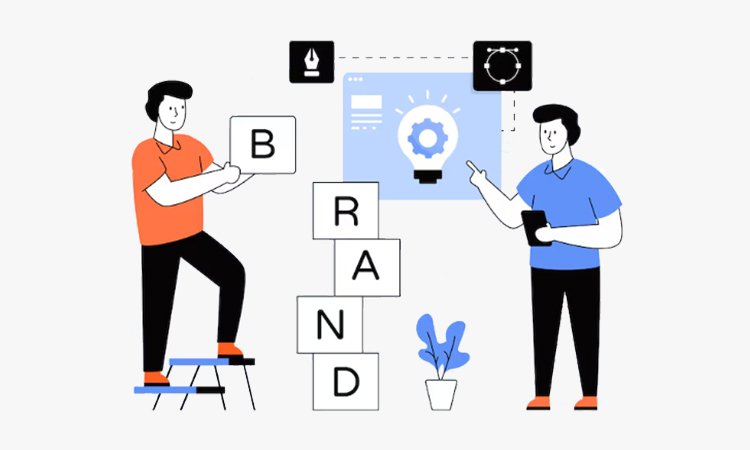
The first and most important aspect of education PR is defining your brand identity. Brand identity is the visible elements of a company’s brand, including customer perception, logo, design, and colours. Key components of brand identity include:
- Mission and Core Values: This is the foundation of brand identity. It clearly defines what the brand stands for and believes in.
- Brand Voice and Messaging: Brand voice or messaging is the consistent tone that is used in communications such as press releases or social media.
- Visual Identity: Logo, typography, and colour of your educational institute that make it easily recognizable.
- Reputation Management: This signifies how the brand acts, especially during crises, which shapes its perception.
- Brand Experience: The emotional connection and interactions customers have with your school or university.
How can educational institutes define their brand identity for effective public relations?
- Define Purpose, Value, and Mission: Rather than focusing simply on proving that you are the best, define why your brand exists beyond profitability. Clearly outline your core values and what you want to achieve in the long-term.
- Determine your Competitors and Audience: Educational institutes must create detailed customer personas that comprehensively cover pain points, demographics, and behaviours through market research, interviews, and surveys. Thoroughly assess competitors to determine gaps for differentiation.
- Create a Unique Value Proposition: Clearly define what sets your school or university apart from others in the industry.
- Develop Brand Voice and Personality: Define the tone of communication. For example, warm, authoritative, professional, or playful. Use the same tone consistently in various customer touchpoints, such as press releases or social media.
- Create a Coherent Visual Identity: Create a consistent colour palette, logo, and typography that clearly reflects your brand’s personality and ignites the right emotions.
- Develop an Engaging Brand Story: Educational institutions must connect with their audience on a personal level by telling their story across all PR efforts to foster trust and emotional connections
- Guarantee Consistency: Make sure to document all these elements in a comprehensive guideline to ensure all the communications are unified, which is crucial for long-term trust and recognition.
- Leverage Effective Storytelling

Storytelling is a key aspect of public relations. It involves using compelling, authentic, and human-centric narratives to connect with audiences, build trust, and differentiate your brand.
Effective storytelling includes creating engaging arcs that evoke genuine emotions, often showcasing a hero, a challenge, and a solution to develop a lasting and memorable brand.
In comparison to complex data or statistics, stories have the capability to engage and capture audiences in an engaging way. With storytelling, higher education institutions can:
- Create compelling narratives that customers can imagine themselves in and connect with emotionally.
- Generate awareness, interest, and loyalty.
- Position themselves as thought leaders in the industry by telling stories that offer value and contain crucial insights.
- Encourage people to act by conveying positive and powerful messages.
- Educate, inform, and engage readers with captivating stories
- Communicate complicated technical aspects of their brands in a more digestible way
- Create a unique brand voice that is difficult to copy and easier to remember.
Now, how can educational brands master storytelling in public relations? Let’s take a quick look.
Storytelling is indeed a vital aspect of education PR; however, mastering it takes a lot of effort and practice. To tell engaging stories, educational institutions must invest time in identifying their target audience and developing a compelling narrative that resonates with them.
Here is how educational brands can develop compelling stories to earn their audience’s trust.
- Determine your Brand Story and Industry
The first thing that needs to be done in order to determine the brand story is to understand what your brand stands for. This will help you create engaging stories that are consistent with your values and vision.
Moreover, do not forget to research relevant trends in the public relations landscape so that you can develop stories that stand out in the highly competitive market.
- Focus on the Audience
When we say create stories, we do not mean generic stories. When creating a story for your educational brand, make sure to keep your audience in mind.
Identify their interest, needs, and preferences even before you decide on the type of story you want to tell. Make sure it is something that your audiences find relatable and easily understand.
- Develop an Engaging Narrative
Combine the values and mission with the interests of your audience to create a compelling narrative. Educational companies must develop stories that are not only engaging but are also memorable and inspiring. Use high-quality visuals, clear language, and interesting characters to make it interesting.
Create an engaging narrative that will captivate the attention of new students or parents looking for schools or universities, as well as existing customers, using this simple structure.
- Do something extraordinary
- Create a story surrounding the extraordinary act you did
- Foster strong media relationships
- Share this extraordinary story.
- Determine the Four P’s of Pitching
Education companies must pitch their story successfully and land media placements. With these 4 P’s, educational practices can show audiences why their brand matters.
i) Problem: Determine the specific pain points of your target audiences to demonstrate why they need your services.
ii) Promise (Solution): Clearly explain the services your educational institution offers and the value it offers to solve their problem.
iii) Proof: Validate all your claims leveraging case studies, testimonials, data, and data or evidence to establish credibility.
iv) Proposal (Next Step): End your story with a clear, actionable request, or guide the potential audience who is considering your brand towards the next step.
- Make it Share-Worthy
In order to ensure the story reaches the right audience, education brands must make sure to create stories that people find worthy of sharing. So, they must optimize their story for various social media platforms. You can leverage engaging videos or visuals to boost engagement, as well as optimize headlines with relevant hashtags and keywords.
3. Strengthen Digital and Social Media Presence

Strengthening your institution’s social and digital presence is a crucial aspect of education PR. If you wish to enhance your online visibility and effectively manage your reputation in real-time, then bolstering the social and digital presence of your brand is a must. By leveraging digital channels, educational institutions can build credibility through online authority, enhance SEO backlinks, and instantly address customer concerns.
The Role of Social Media in Public Relations
Social media has become one of the greatest pillars of contemporary public relations, offering exceptional opportunities for direct communication, audience engagement, and brand positioning. Determining the role of social media in PR is crucial for successfully navigating the online landscape.
Identifying Various Social Media Platforms and their Audiences
- Educational institutes must understand the demographics, culture, and content formats of every social media platform- from creating professional connections on LinkedIn to the visual appeal of Instagram.
- Consider the specific type of engagement and interaction each platform facilitates, and how it serves various aspects of your PR strategy.
Engaging with Stakeholders on Social Media Platforms
- Schools and universities can leverage social media to foster strong relationships with stakeholders, offering an exceptional platform to interact with customers, share feedback, and build community.
- Adapt the tone and pattern of your social media messages to align with the informal nature of social media, while being consistent with your brand’s messaging and main message.
Establish Brand Awareness and Reputation Through Social Media
- Leverage social media to maximize reach, build a solid online presence, and share brand stories that clearly reflect the ethos and narrative.
- Education services can activate campaigns that encourage user-generated content and viral sharing, which can, in return, enhance brand visibility.
Major Reasons Why Enhancing Digital and Social Presence is Crucial for Effective PR
- Real-time Interaction and Crisis Mitigation: Social media can allow educational companies to track what people are talking about them and respond promptly to queries, feedback or crises, protecting a brand’s reputation faster in comparison to traditional media.
- Direct Audience Engagement: A good digital and social presence can help education companies to reduce dependence on traditional media gatekeepers and engage directly with their audience, building trust and loyalty while establishing a community around the brand.
- Better Credibility and Visibility: A robust online presence, including digital content and social media content, can help enhance brand authority, trustworthiness, and search engine visibility.
- Data Insights and Targeted Communication: Digital platforms offer comprehensive analytics on campaign performance and audience behaviour. These insights can help educational institutions to create more targeted messaging and achieve better ROI.
4. Build Robust Relationships with Influencers and Journalists

This is another crucial education PR strategy that schools, colleges, and universities cannot afford to ignore. Establishing meaningful relationships with influencers and journalists is the key to successful PR. In today’s world, influencer marketing is booming.
By reaching out to and building relationships with niche-specific influencers and journalists, educational brands can not only build brand credibility, but it also secure consistent media coverage while acting as a “Protective Shield” during crises.
Now, you must be wondering, journalists and influencers are super busy people, how do I connect with them, right? So, here are a few smart ways how educational brands can pitch experienced journalists and influencers.
- Research the Right Publications and Influencers
Want to create an exceptional pitch that actually works? Start by researching publications or influencers whose content best fits the services you offer. For example, as an educational institute, you must choose publications or influencers whose content revolves around examinations, education, and students.
For this, you do not have to go to lengths; just a simple Google search can provide enough results and guide you in the right direction.
- Thoroughly Evaluate and Understand the Journalist or Influencer
The very next step after you are done researching the right influencers and journalists, the next step is to identify journalists at the publication you personally want exposure from. It takes some effort and research to find the right journalist or your educational institution. However, the results will be worth it.
Before you start creating a pitch, you must go to great depths to learn more about the influencer or reporter whom you are willing to contact. Regularly reach out and connect with influencers and journalists whom you are supposed to be following anyway.
Rather than establishing a weak connection that can be easily forgotten, educational brands must try to build strong relationships with them both online and in-person. How can you do that? By reading, commenting, sharing, and complimenting their works.
If you establish meaningful relationships with influencers and journalists beforehand, it will ensure that your pitch is well-received.
- Create Effective Pitches
Crafting engaging pitches is crucial for effective education pr. This is because these pitches will help you successfully communicate your news and stories to the media. In order to craft a compelling pitch, education companies must follow the steps mentioned below.
- Headline: Do you know, at least 60% of the time, the headline is the only thing that your customers read. So, start strong. When writing a pitch, educational institutes must give it an engaging headline that clearly summarizes the content inside it and captivates attention. Make sure the headline is short, clear, and relevant to the body content.
- Timing: Make sure your story is timely. Associate it with the current events, latest trends, or a major problem that your services solve. This heavily increases the likelihood of it getting covered.
- Newsworthiness: Education companies must clearly highlight what makes their story newsworthy. Emphasize on crucial elements like impact, uniqueness, timeliness, and human interest.
- Include Relevant Quotes: In the pitch, include valuable quotes from founders or industry experts to offer perspective and authority. Doing this will add credibility and provide journalists with sound bites to use.
- Keep it Short: Rather than exaggerating it, keep the pitch short and simple. Why? Because influencers and journalists are busy people. Consider keeping your press release short, sticking only to the vital parts, and avoiding including irrelevant and complex details.
- Incorporate Effective Calls-to-Action: At the end of your pitch, including a clear call-to-action can help tell users what to do in the next step. Offer additional information, important press materials, and opportunities for interviews.
- Maintain Professionalism: Educational brands must make sure their pitch content is professional, error-free, and properly formatted. First impressions matter a lot, and even a single error can damage credibility.
- Personalize Every Pitch
When it comes to writing a pitch, education brands must think like the journalist or influencer they are pitching. They will not write the exact same story twice, nor will you, right? So, educators must avoid creating the same pitch twice.
However, this does not mean that you cannot pitch the same idea twice to more than one news outlet, but the tone and style of each pitch should be personalized for the recipient.
Thoroughly study the market of your target audience, and figure out the best media outlets to deliver the pitch or message of your business. Leverage the information that you have organized as you craft the pitch.
- Engage, Rather than Selling
The topmost priority of a journalist is sharing stories that are not just relevant but also align perfectly with the public. They are not personally associated with your business, so they are not likely to be interested in any unnecessary piece of information about any recognition you have received.
Rather than reaching out to an influencer or journalist, asking them to cover your business story, emphasize on how you can offer expertise on a trending topic. If there is nothing newsworthy happening at your business, you can reach out to local media and offer to be an authoritative resource.
- Strategically Include Newsjacking
In the era of social media, breaking news is always circulating. Whether something is happening within or far away from the city you are based in, these trending topics can serve as great opportunities for your educational institute to take advantage of the story and trend for it. However, it must be done promptly.
Newsjacking is basically an education PR practice that aligns content or a brand with trending topics or breaking news to enhance traffic, visibility, and engagement. Here are some helpful tips for pitching when it comes to newsjacking.
i) Identify the Right Opportunity
- Align with Expertise: Educational institutes must jump on trending news that can directly impact their industry, customers, or where they have in-house expertise.
- Track Trends: Leverage modern tools like Google News Alerts, Google Trends, and X Trending Topics to find relevant stories early.
- Avoid Tragedy: Avoid getting involved in tragic, sensitive, or controversial news unless you are offering genuine and valuable information.
- Pre-Plan: Prepare by identifying prospective, recurring, or predictable news such as industry reports, changes in government policies, and major sporting events.
ii) Create the Pitch
- Act Fast: A news story can get viral within just a few hours. Educational institutions must focus on getting their pitch out within 24 hours or even minutes of the story getting viral.
- Decide on the Hook: Instead of beating around the bush, directly start with the story immediately in the subject line in order to show relevance.
- Showcase Unique Angle: Provide a direct quote, a pre-written statement, or even an expert spokesperson if they are available for immediate interview.
- Keep it To-the-Point: Keep the email or pitch brief and to the point (under 300 words), as journalists often have tight deadlines.
iii) Target the Right Journalist
- Target by Beat: Educational institutions must reach out only to those journalists who cover a particular topic, rather than any top-tier publications that cover generic news stories.
- Look for Live Blogs: Journalists in live-blogging, such as CNBC, often look for quick and real-time data, so make sure to collect insights from blogs that have gone live recently.
- Follow-Up Strategically: In case a reporter has published a story, educational institutions must send a quick update with relevant and new information to get their brand into a follow-up piece.
iv) Crucial Newsjacking Tips for Success
- Create a “Quote Bank”: Have a pre-defined and approved set of expert quotes on common education-related topics.
- Leverage Social Media: In case you are too slow for email, send a direct message on X or LinkedIn in order to get noticed instantly.
- Prioritize Credibility: Mention whether or not your spokesperson has been published in similar reputable, top-tier outlets before.
5. Speak on Niche-Specific Podcasts

Nowadays, podcasts are everywhere. Do you know that there are currently over 584.1 billion podcast listeners? Podcasts have been on the rise for the past few years and have been growing rapidly.
Whether you belong to the fashion industry or the education sector, speaking on relevant podcasts can be great to enhance your brand visibility and showcase expertise. But besides that, there are numerous other benefits of making podcasts a part of your PR outreach strategy.
- Offers an Opportunity to Showcase Expertise
Like we already said before, podcasts are a great platform for a business to demonstrate its expertise to its audience. Podcast listeners are often people who are eager to learn. They are open to knowing what is going on in the industry, and they are interested in order to gain new skills and increase their knowledge.
If you come with in-depth knowledge about a particular topic, it can be a great opportunity for knowledge transfer. This is because, in this process, you can position your institute as an authoritative expert in the field.
- Serve as an Exceptional Marketing Asset
A good podcast interview is a great asset that educational brands can leverage for various purposes. Even if you have a comparatively smaller audience, your presence in the podcast can prove to be very beneficial. Once the podcast interview airs, the educational brands can provide a link to it on their website or social media handles. This can immensely help expand the audience base.
- Allows Target a Niche Audience
Industry groups and thought leaders often host podcasts. These podcasts can be an exceptional opportunity for educational institutions that are trying to reach a very small and narrow audience base.
- Helps Convey your Brand Message Successfully
If you are seeing a trend or have a unique point of view on a current topic, such as AI-driven personalized learning, a podcast can offer a platform to shape and give voice to your thoughts. Clearly conveying your brand’s voice in podcasts can help establish credibility in your industry.
- Strengthens Relationship with the Media
As we have discussed earlier in this blog, establishing strong relationships with media professionals or news channels is crucial for education pr. Podcasts can be an excellent opportunity to work with renowned journalists, thought leaders, and industry influencers.
By inviting them as guests in podcasts, schools and universities can foster meaningful connections, leading to secured media coverage and powerful media relationships.
Now that you have a clear idea of why engaging in podcasts is a crucial aspect of an effective PR strategy, let’s take a look at how educational companies can create or engage in podcasts.
Launch a Branded Podcast
Creating a company-owned podcast can help educational institutions to regulate the narrative and establish a dedicated community.
- Emphasize on Value, Not Sales: Rather than promoting your educational services or being too salesy, create content that is not only educational but also valuable. Educational institutes can create content such as student interviews, brief lessons, or faculty insights.
- Target Niche Audience: Personalize content so that it specifically aligns with your demographic. Whether your target audiences are K-12 parents or higher education students, targeting the right audience is crucial to ensure your podcasts are reaching the right people.
- Choose How You Will Do It: Discussions on a specific educational topic with an educator, pros and cons of the education sector, an in-depth series over numerous episodes, and quick lessons of around 15-30 minutes each need different ways to be created and shared.
- Develop a Creation and Repurposing Strategy: Select platforms like Spotify or YouTube to share these podcasts, along with social formats like audio or video clips.
Well-Planned Podcast Guesting
Appearing as a guest on a reputable, popular educational podcast is a great way to achieve visibility without draining your funds.
- Identify Relevant Shows: Find podcasts that align perfectly with your specific niche. For example, “Career Coaching” or “EdTech.”
- Target Audience Alignment: Make sure the podcast’s audience aligns with your target, and that the host is seen as an authoritative source.
- Use Guest Networks: Promote your appearance to your own network and politely ask the host to do the same thing. This will help with cross-promotion and broader reach.
Amplify and Repurpose Content
Educational companies can maximize the Return on Investment (ROI) by transforming one episode into multiple content pieces.
- Create Valuable Social Media Assets: Obtain relevant and important quotes, create short video clips, and produce video clips for various social media platforms like YouTube, LinkedIn, and TikTok.
- Leverage Transcripts for SEO: Consider posting complete transcripts and show notes on your website to maximize search engine rankings and make content easily accessible.
Types of Podcast Formats for Educational Institutions
Here are a few types of podcast formats that work the best for schools and universities
- Mini Lecture Series: 8-12 episodes that perfectly match a course module. This format is great for nurturing leads.
- Alumni Career Stories: This is basically a 20-30 minute interview that showcases career paths and real outcomes.
- Short Podcasts with Faculty Members: A short daily dose of valuable insights from subject experts. This is very helpful for social media snippets.
- Student-Produced Podcasts: These are great for engaging students, offering social proof, and encouraging peer learning. Podcasts by students can both maximize involvement and learning outcomes.
6. Develop an Effective Crisis Management Plan

Creating a solid crisis management plan is vital to ensure successful education PR. A crisis situation can negatively affect a brand’s reputation, erode trust, and lead to penalties. Sometimes, unexpected events can stir up negative publicity. Even if it is a small mistake, in the era of social media, nothing goes unnoticed.
You might do everything right, but make a little mistake that might lead to fatal crises. So, in order to deal with a PR crisis situation effectively and protect the brand’s reputation, educational brands must have a strategic crisis management plan in hand.
Now, the question is how schools and universities can develop a successful crisis management plan. So, here are a few steps on how education brands can create a successful crisis communication strategy.
- Arrange a Crisis Team: Identify 5-7 major members, including PR/communications, senior leadership, legal, and human resource to guarantee instant, coordinated, and authorized decision-making.
- Conduct Thorough Risk Assessment and Monitoring: Brainstorm potential threats- from leadership scandals to product failures and accurately rank by impact and probability. Leverage media monitoring tools for early detection of any issue.
- Define Clear Roles and Procedures: Document specific actions and assign responsibilities separately for each type of crisis in order to avoid confusion.
- Create Core Messages and Templates: Prepare FAQs, holding statements for social media, ensuring they clearly reflect accountability and empathy.
- Designate and Train Spokespersons: Pick individuals who are especially trained to deliver transparent and consistent messages to the media and public.
- Establish Communication Channels: Educational brands must clearly define how they will communicate with customers, internal employees, and the media. Is it through direct email, press release, or social media?
- Test and Update Regularly: Regularly audit your crisis communication plan in order to identify gaps and update the plan at least annually to reflect new challenges or risks.
7. Write Engaging and Effective Press Releases
A press release is a short, official, and written announcement that is issued by businesses to the media in order to share newsworthy information, including mergers, product launches, and major updates. This information acts as a primary source for journalists to develop new stories, willing to build brand awareness, secure media coverage, and manage narratives.
So, here is a step-by-step guide that educational companies can leverage to craft press releases that actually strike.
- Ensure the Press Release is Newsworthy
Rather than just data and statistics, journalists are more interested in newsworthy information. Why? Because it meets the journalistic standards and is credible. Therefore, when writing press releases, educational businesses must present everything, but in a factual manner.
So, instead of telling your readers to look at your business, education institutes must emphasize newsworthy angles such as:
i) New Service Launches
ii) Customer Success Stories
iii) Ongoing Competitions and Contests
iv) Partnerships with Influencers and the Media
v) Awards or Recognitions your Educational Institute has Won.
Other major factors that can make a press release newsworthy are:
- Timeliness: All the information provided in the press release must be fresh, timely, and relevant
- Relevance: The news should clearly convey why it matters for your target audience
- Human Interest: The story should be relatable and engaging to the target audience
- Uniqueness: Your press release must clearly showcase what sets your educational institute apart from the others.
- Write a Catchy Headline
Writing engaging headlines for press releases is crucial for effective education PR. Give a captivating title or headline to your press release to grab the attention of both journalists and readers. In every article, the headline matters the most. Since nowadays people are always on the go, recipients are likely to quickly scan the headline of your press release before determining whether they should read it or ignore it.
Key Features of a Compelling Press Release Headline
- Be Mindful of the Length and Consciousness: Educational institutes must limit their headline to a single line, ideally within 70-100 characters to avoid it from getting truncated.
- Use Active Voice: Leverage powerful, action-oriented verbs to create a sense of urgency. For example, use verbs like “Unveil” rather than “Launch” in your headline.
- Consider Directness and Clarity: Immediately state the major points without hype, jargon, or buzzword-filled language.
- Add Value and Impact: Focus on the “So What?”- the major news, crucial benefits, or data point that makes your story newsworthy.
- Leverage Search Engine Optimization (SEO): Include 1-2 relevant, high-volume keywords near the beginning of the headline to enhance search visibility.
- Include Specific Details: Use solid information, such as company names, statistics, and key figures, rather than filling gaps with vague content.
- Focus on the Tone: When writing a headline for press releases, educational practices must maintain a professional, objective, and journalistic tone.
No matter how compelling your news is, make sure to avoid using exclamation marks or all caps in your headline, as readers might consider it as shouting.
- Offer More Information in your Subtitle
After your headline has successfully caught the attention of readers, give your press releases a short and simple subtitle. This subtitle can offer additional information and support the main headline.
When writing a subtitle for press releases, educational institutes must always include information that informs, impresses, or evokes your audience’s interest. For example, in your subtitle, you can include any studies or research data that backs the effectiveness of your solution.
- Address Media Inquiries Correctly
Are you familiar with the 5W’s and H method? It is basically a checklist that journalists often make use of to ensure that the first paragraph of a newsworthy story contains all the crucial parts. This checklist matters a lot when writing press releases.
Your story should clearly answer the following queries: What, Who, Why, When, Where, and How?
These basic questions are the foundation of a news story, and answering them helps educational institutes convey all the facts and insights clearly and concisely. Furthermore, since journalists are bombarded with tons of news stories regularly, they lack the time to read a whole press release.
Therefore, providing them with the major takeaways even in the early phase can increase the likelihood of your press release getting noticed and published.
- Polish your Press Release
Typos and grammatical errors might get your press release rejected instantly. As we discussed earlier, journalists are busy people and get thousands and hundreds of news stories daily. A well-edited release can set your news apart from others.
Educational companies must edit their press release before sending them to a journalist. This can be very helpful to double-check whether or not the information provided is clear, correct, and concise. This boosts the chances of your news being well-understood and covered.
Errors, be they grammatical, typographical, or factual, can make your new story lose its credibility and might damage the professional image of your educational institute. An error-free press release might showcase your commitment to providing valuable details and professionalism.
Establish Faculty Members as Thought Leaders in the Industry

Positioning founders and faculty members as experts can help educational institutions position themselves as an authoritative resource within the industry. Exceptional thought leadership articles can place their claims in industry journals or claim their position within the company blogs.
But how can schools, colleges, and universities position their faculty members as thought leaders within the education sector? Here’s how.
- Creating Valuable, Authoritative Content
One of the most effective thought leadership strategies is content marketing. Educational institutes and consultants can publish valuable case studies, research papers, and expert insights to position themselves as leaders in the global education sector.
- Effective Content Strategies For Thought Leadership
i) Publishing well-researched whitepapers and reports on the latest trends in the education sector.
ii) Writing opinion pieces, blog articles, and data analyses.
iii) Hosting live Q&A sessions, expert interviews, and webinars.
iv) Developing podcasts and video content for global reach.
- Implementing Digital and Social Media for Industry Impact
Social media platforms such as Instagram, Facebook, LinkedIn, and X are a crucial aspect of thought leadership strategies in today’s digital-first education sector.
Education service providers such as schools, colleges, and universities can implement social media platforms like LinkedIn, YouTube, and X in order to showcase their expertise, build professional relationships, and engage with their audience.
- Effective Social Media Strategies for Thought Leadership
i) Sharing valuable, thought-evoking insights and expert opinions on the emerging education sector.
ii) Effectively engaging with students, education professionals, and faculty members through open discussions or forums.
iii) Hosting meaningful LinkedIn live sessions, X chats, and engaging AMAs (Ask Me Anything)
iv) Leveraging SEO-driven content to captivate audiences.
- Hosting or Engaging in Relevant Industry Events and Conferences

Educational institutes must host or participate in panel discussions, industry conferences, and expert roundtables in order to achieve recognition as thought leaders within the industry.
- How Thought Leaders Can Leverage Events for Thought Leadership
i) Speaking at global education summits or press conferences
ii) Hosting online webinars, panel discussions, and networking sessions
iii) Engaging with major industry stakeholders for thought-provoking discussions.
- Establish a Strategic Partnership and Industry Connections
A robust thought leadership strategy involves engaging with major education stakeholders, including accreditation bodies, universities, and policymakers.
- How to Build Thought Leadership Through Industry Collaborations
i) Participating in academic-industry collaborations for research and development
ii) Engaging in cross-university alliances to initiate student mobility programs
iii) Aligning with government initiatives on higher education policies.
- Transform Learning with AI, Digital Learning, and Technology Trends
With digital transformation revolutionizing higher education, education consultants, universities, and colleges that are adopting automation, AI, and ed-tech advancements can position themselves as industry pioneers.
- How Innovation Can Induce Thought Leadership
i) Embracing AI-driven student recruitment and analytics for better admissions outcomes.
ii) Incorporating virtual reality to offer engaging experiences of campus tours.
iii) Implementing blockchain for secure student credential verification
iv) Leveraging hybrid and online learning models for easy accessibility.
Host Meaningful Events for Campaign Publicity
Including events in your education PR strategy is crucial to achieve success. Do you know, on average, the ROI for events is 25-34%? It serves as a great platform for educational companies to offer memorable experiences to their audiences. By hosting or participating in meaningful events- whether virtual, hybrid, or in-person- education institutions can not only enhance engagement but also leave a long-lasting impression:
Now you must be wondering, but as an educational institute, what type of event can I host or engage with that can drive admissions? So, here are a few types of events that educational brands can host.
- Academic and Thought Leadership Events
i) Campus Tours: Welcoming potential students and parents to visit and experience the campus, understand the curriculum, and meet with the faculty members.
ii) National/International Seminars: Hosting experts to discuss topics on the latest industry trends, which can position your educational institution as a knowledge hub.
iii) Academic Fairs: Showcasing fairs and faculty research, especially in the STEM field
iv) Faculty Development Program: Hosting workshops to foster professional growth can improve the credibility of the faculty.
v) Workshops: Offering hands-on learning, such as coding sessions or 3D printing, to demonstrate modern, future-ready education.
- Community and Social Responsibility Events
i) Charity Events and Fundraisers: Organizing walkathons, bake sales, or galas for local causes often showcases ethical values and civic engagement.
ii) Open Lectures: Public lectures on relevant social topics that position your educational institution as a thought leader.
iii) Community Service Days: Engaging students with local NGOs or arranging cleanup drives can help establish strong community connections.
iv) Sustainability and Eco-Friendly Events: Planting trees or organizing workshops on sustainability can be a great way to showcase your school’s commitment to the environment.
- Seminars and Workshops
i) Seminars: These are educational events that are especially meant to share knowledge, expertise, and skills with a targeted audience.
ii) Workshops: Serves as a great platform to establish thought leadership, establish credibility, and engage with prospective clients and partners in a more personal setting.
- Press Conferences
i) Formal events where an educational institution shares newsworthy information with the media.
ii) It usually includes a presentation followed by a Q&A session, which allows journalists to ask questions and collect additional details.
Major Public Relations KPIs that Educational Institutions Must Track
- Share of Voice
Share of Voice is one of the most important education pr metrics that educational brands must track. This is the measure of how much industry attention your brand is getting in comparison to your competitors.
By tracking this metric, educational institutes can not only achieve valuable insights into how their brand is being perceived by the public but also help them stay ahead of the competition.
Formula: SOV = (Your Brand Mentions / Total Industry Mentions Across All Competitor Brands) X 100
- Media Mentions
Media mentions are another key one of the most important metrics of public relations. This metric is the measure of the number of times your educational institute is mentioned across various media channels, which demonstrates the level of visibility or exposure your PR campaign is generating. The higher the media mentions, the more effective your audience outreach is.
- Sentiment Analysis
This metric dives deep into past media mentions and impressions to figure out how exactly your educational brand is perceived online. It can help determine what your audiences are looking for in your industry. With this set of data, educational brands can make necessary modifications in their campaigns to make sure their efforts are reaching the right audience, at the right time, and in the right way.
- Engagement Rate
Engagement rate is the measurement of the level of engagement your content or campaign is receiving from your audience. This PR KPI is not just about counting impressions or views, but it is about how actively your audience is interacting with your content. Educational institutions can track their engagement rate by monitoring comments, clicks, likes, and shares.
- Conversion Rate
Conversion rate is the percentage of sign-ups, sales, and other specific goals achieved through your PR activities. Accessing this KPI is very important as it directly influences your public relations strategy. In other words, the conversion rate is the percentage of PR leads who have made any type of business activity with your educational institute. For example, contact your institute or fill out an admission form.
- Website Traffic
This is not rocket science. Website traffic is the number of people visiting your website to take a specific action. A higher website traffic generated from your PR activity means that you are on the right track, and interested parents or students are motivated to click through to and check your website for more details. It is a very powerful KPI, and educational institutions can track this metric using advanced tools like Google Analytics.
- Media Impressions
Media impression is the metric that monitors the overall size of the prospective audience base that was reached by your PR content. Educational institutes can determine this metric by leveraging a social media monitoring tool. These tools specialise in tracking how widely your content is being distributed across various media outlets such as broadcasts, online downloads, and print.
- Event Attendance
This metric is the number of people who have attended an event that was organized or sponsored by your education institute after a PR campaign. The event attendance metric can help schools or universities to determine the success of the event promotion and how interested the target audiences are in your brand.
7 Effective PR Tools that can be Implemented by Educational Institutes
Here are some of the best PR tools that educational institutions can leverage for maximum impact.
| PR Tools | Unique Feature | Implementation |
| Meltwater | Offers AI-powered insights that make it easier to track audience sentiments to personalize communication for potential students. | Track your educational institution’s brand reputation in real-time across various blogs, news, and social media. |
| Cision | The “My Activities” dashboard can help educational institutes monitor clicks and open rates on pitches they are sending to journalists. | Leverage the complete media database to create a targeted list of journalists and influencers who are interested in education, research, and local news. |
| Hootsuite | It is a great tool that can allow faculty members to share pre-approved institutional content and create compelling posts without any hassle. | Effectively manage all social media channels like Instagram, Facebook, X, and LinkedIn from a single dashboard in order to maintain consistency |
| PR Newswire | The best feature of this tool is its extensive reach, with guaranteed placement in more than 4,400 newsrooms and more than 9,000 digital media outlets. | Educational institutes can leverage it to distribute press releases regarding major institutional announcements, such as high-profile partnerships, campus expansion projects, or research grants to achieve maximum visibility. |
| Pitch | By incorporating this tool, educational institutions can create highly visualized, collaborative presentation templates that are especially designed for storytelling and feature analytics to see who viewed the deck. | This tool can be incorporated to develop engaging digital “Annual Reports” |
| Mailchimp | Features exceptional audience segmentation and automated, highly personalized email campaigns | By leveraging Mailchimp, educational services can manage a targeted media list, segment the audience successfully, and automate campaign distribution for newsletters, press releases, and event invitations. |
| SproutSocial | The most interesting feature of this tool is its Advanced Social Listening, using Boolean operators to successfully determine industry trends, detailed analytics on organic vs. paid performance, and influencer identification. | This can be used for “competitor benchmarking” in order to compare engagement rates against fellow institutions and determine what type of content aligns the best with potential students. |
FAQs
Ans. Common public relations mistakes that educational brands must avoid include lacking a clear and strategic PR plan, failing to establish and nurture strong relationships with journalists, and even overhyping services without solid evidence or data.
Ans. Public relations can foster trust by building trust with credibility through earned media, showcasing success stories of students and faculty, and managing reputation through transparent communications.
Ans. Search Engine Optimization and public relations can induce educational growth by combining high-quality, earned media coverage with carefully planned, keyword-optimized content, boosting both brand visibility and authority.
Conclusion
As the competition in the education sector keeps growing, standing out has become crucial in order to get more admissions. Education PR, if implemented correctly, can not only build trust and enhance online visibility but also protect your education institute from potential crises while driving more admissions. The 10 valuable PR strategies mentioned above can help educational institutes successfully achieve their PR goals. However, in case you are just starting out, we recommend that you partner with an experienced public relations agency that offers personalized PR services, especially tailored to your needs and goals.
