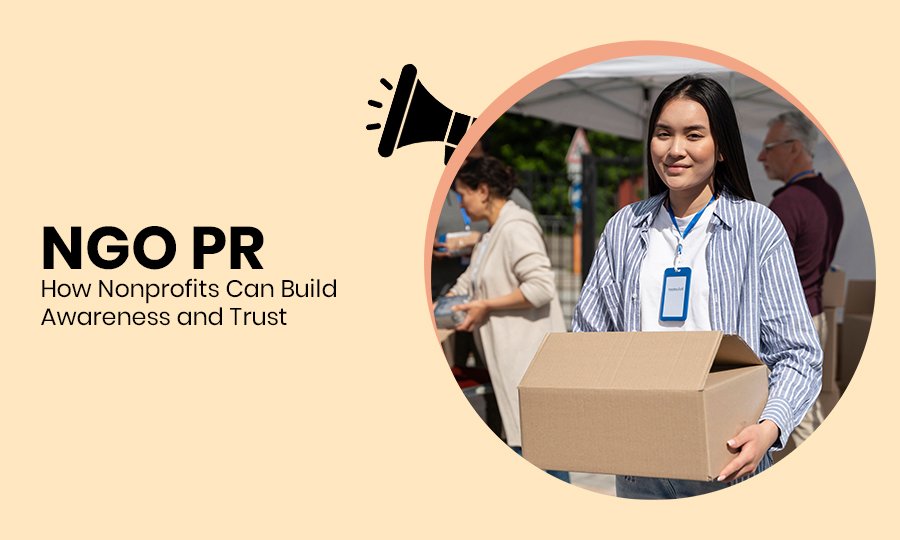
Reputation is the prime ingredient for every nonprofit organization. As long as they have a positive online reputation, they will attract more charity donors. People don’t spend their time, money, or trust in an organization they do not believe in. But now the question is, how can NGOs build a positive online reputation? Through effective NGO PR.
According to The Global Journal, approximately 10 million non-governmental organizations are operating worldwide. In this highly competitive space, the solution to stand out and get the attention of donors and partners is solely a positive reputation. A strategic PR approach can help non-governmental organizations to tell their story, convey their values, and successfully connect with communities.
Are you looking to enhance the online visibility and impact of your NGO? Then this blog is for you. It will discuss what public relations for NGOs is, why it is crucial for non-governmental organizations, best public relations practices for NGOs, common challenges, and more. So, let’s get into it.
What is NGO PR?
NGO public relations is the strategic communication that is used by non-profit organizations to foster understanding, trust, and support with the public, donors, government agencies, and stakeholders. This can help them to raise awareness, support chances, raise funds, and drive social change through digital platforms and social media engagement.
Public relations for non-governmental organizations often includes strategies like developing engaging stories, building strong relationships with the media, and community engagement to showcase impact and achieve your business goals in the highly competitive market. We will discuss all the strategies in detail later in this blog.
Why Must Nonprofit NGOs Invest in Public Relations?
Now that you have a clear idea of what public relations is for NGOs, let us now get into how this digital marketing strategy can help non-profit organizations:
- Establish Trust and Credibility
Trust must be at the core of any non-profit organization. Developing a robust and authoritative reputation can attract not just donations but also long-term supporters for your cause. Effective public relations can help non-profit organizations to convey their cause through impact stories, testimonials, and thought leadership that showcase effectiveness and integrity. When done correctly, public relations can position your NGO as mission-driven and authoritative.
- Elevate your NGO’s Mission
Non-profit organizations often struggle to set their mission apart within the highly competitive market. Public relations can help NGOs to develop an engaging narrative that clearly resonates with their audience. Through strategically planned campaigns, NGOs can share their story, which can build an emotional connection and inspire people to take action.
A well-planned PR campaign can demonstrate how your mission corresponds to current events, highlighting urgency and relevance. Through social media, press releases, and public forums, NGOs can highlight their impact and programs successfully.
- Boost Volunteer and Charity Donors’ Engagement
If you think PR simply brings awareness, then you are wrong. It also encourages action. By sharing compelling content and real stories of impact, nonprofit organizations can encourage charity donors and volunteers to support their initiatives.
Whether you are sharing a wholesome story of life changed in your NGO or valuable data showcasing consistent results, effective public relations can help NGOs to successfully connect their message to the emotions of their stakeholders through influential storytelling.
- Strengthen Relationship with Media Professionals
Media outlets and journalists are powerful resources that can help non-profit organizations to successfully convey their message to the public. By establishing strong relationships with experienced journalists and renowned media outlets, NGOs can guarantee that their messages are being delivered accurately.
Successful public relations can develop media partnerships that are mutually beneficial. Instead of occasional outreach, consistent communication with journalists builds trust and credibility.
- Improve Community Awareness
NGO pr can give easy access to non profit organizations to amplify their presence in the communities they serve. It is not just about telling, it is about showing how you are creating an impact directly where it matters the most.
Public relations campaigns that are personalized for community reach often focus on hosting meaningful charity events or engaging in local programs. These PR efforts can position your organization as more relatable and recognizable.
- Managing Crisis Situation Effectively
Crisis comes in the most unexpected ways, and how an NGO deals with it shapes its online reputation long after the event. When situations that threaten your online reputation arise, a well-developed PR strategy can help NGOs communicate transparently and dynamically.
Effective crisis management can offer reassurance to stakeholders while busting misinformation. Non-profit organizations can greatly benefit from a well-planned crisis communication plan. This plan includes having experienced spokespersons in place, transparently sharing challenges, and emphasizing on solutions.
Best Public Relations Practices for Non-Profit Organizations
With the right non profit PR strategies, NGOs can create the right messaging that can help them reach the right audience and set their NGO apart from the others. But how can you do it successfully? Here are some of the most effective tips that can place your non-profit organization ahead of the competition:
- Target the Right Niche

Before you even start leveraging public relations for your non governmental organization, you need to determine the right niche of your business. Every NGO has a unique mission, which is called a specific niche. Know it and go after it.
So, how can non-profit organizations target the right niche for successful PR?
- Define and Segment your Audience
- Go Beyond General Awareness: Rather than wasting your time trying to reach everyone, NGOs need to identify specific, niche audiences that perfectly correspond to your audience.
- Leverage Data for Segmentation: Evaluate existing data of volunteers, donors, and community members to determine their interests, demographics, behaviours, and values.
- Craft Personas: To successfully define and segment your audience, you must create detailed profiles of your target advocates. For example, “young eco-conscious donors in urban areas.’
- Focus on “Impact Creators”: NGOs can consider engaging micro-influencers or “impact creators”- individuals who have small but highly educated audiences that align with your passion.
- Humanize the Cause: You can leverage personal stories and narratives of transformation (before/after) instead of just statistics. People often relate to stories of single and identifiable beneficiaries.
- Emphasize on Local Impact: If you operate a local NGO, then target local newspapers, regional radio, and community blogs, which can be very effective in establishing credibility.
- Use Specialized Media: Identify and reach out to journalists and reporters who already cover your niche. For example, if you operate an E-NGO, then you must reach out to journalists who cover topics such as environmental conservation.
- Choose your Platforms Strategically: Do not be everywhere. As this can create a negative impact on your organization. Pick one or two social media channels where your target audience is the most active. For example, you can leverage LinkedIn to reach for media professionals or businesses, TikTok or Instagram to reach a younger audience base.
- Leverage Narrowcasting: For effective NGO pr, NGOs must focus on niche platforms, online forms, or forums that discuss issues that are especially related to your cause.
- Incorporate SEO: NGOs must properly optimize their official website by incorporating niche keywords such as “plastic-free ocean advocacy” or “local wildlife rescue volunteer” to make sure their website pops up when people are searching for their service.
- Partner for Better Reach: Collaborate with corporations, other relevant NGOs, or influencers who have similar missions as yours to successfully pass on your message to their audience.
- Implement “Influencer-led” Campaigns: Work closely with niche influencers who have a personal connection to your cause. For example, if you are an animal welfare organization, you can partner with pet influencers.
- Emphasize Action-Oriented Metrics: Measure the success of your efforts by engagement, volunteer sign-us, and donations, instead of simply with views and impressions.
- Leverage Social Listening: NGOs should track social media for mentions of their cause or competitors to determine how their organization is being perceived by the public and adjust messaging accordingly.
- Apply “Test & Learn”: Leverage A/B testing on your messages to identify which format is working the best. For example, a data-driven or story-driven approach better motivates your target audience.
By segmenting down to a specific audience and personalizing audiences to their interests, non-governmental organizations can ensure that their message is well-heard and acted upon.
- Build an Unforgettable Digital Presence
In order to attract more partners and donors, NGOs must make sure that their digital presence is memorable. Leverage your media coverage to tell a story to your audience, develop a newsroom and directly link back to your efforts on your social media pages.
NGOs can implement social media platforms like Instagram, TikTok, Twitter, and YouTube to share the story of their organization. So, let’s discuss in detail how NGOs can establish a memorable digital presence for successful NGO pr.
- Content and Storytelling
- Humanize your Mission: The first thing NGOs must do to establish a positive online presence is to humanize their mission. They can do this by sharing engaging and emotional stories of those who have helped through videos, blogs, and testimonials, with proper consent to build an emotional connection.
- Visuals are Key: NGOs must use high-quality photos and videos from projects to make their impact shareable and tangible.
- Show, Don’t Just Tell: Show projects from start to finish on your website to showcase visible results.
- Social Media Strategy
- Platform Choice: Start with 1 to 2 major platforms like Facebook for community, LinkedIn for professionals, and Instagram for visuals. Furthermore, NGOs must optimize all their profiles with consistent branding.
- Engage, Do not Broadcast: Respond to comments promptly and professionally, leverage humor where relevant, and start conversations to establish a community.
- Use Hashtags and Trends: NGOs can incorporate relevant hashtags to enhance visibility and participate in a loyal community.
- Collaborate with Influencers: Partner with local micro-influencers who have decent followings or thought leaders to escalate your message.
- Foster Trust with Transparency
- Be Honest: NGOs must share financial details clearly without leaking sensitive data and provide information on their website.
- Show your Impact: Feature testimonials and success stories, including online reviews as powerful social proof.
- Create a Clear Call-to-Action: Make sure every email and post has a clear next step. For example, donate, share, and sign up.
- Technical Foundations and Consistency
- SEO Optimization: Incorporate relevant keywords in your website content and image alt text to enhance search visibility.
- Mobile-first Design: NGOs must make sure that their website performs effectively on mobile devices, as the majority of supporters browse the Internet and social media through their mobile phones.
- Consistent Messaging: Maintain an interactive visual style and consistent voice across all platforms.
- Engage your Network
- Email Marketing: Make sure to build a robust email list to initiate direct conversation with advocates, sharing appealing stories about your organization.
- Cross-Promotion: Connect your social media to newsletters and make your staff share coverage on their LinkedIn.
- Think like a “Local”
Local PR and marketing outreach together can be a great way to successfully reach target audiences and establish your credibility. Non-governmental organizations that do not have much national reach can take the help of local newspapers, radio and TV stations, and blogs.
If you can gain enough coverage from the local and trade media, you can attract a significant amount of national attention. For effective NGO PR, here are certain local PR strategies to follow.
- Build Local Media Relations: For effective local PR, NGOs must proactively pitch local newspapers, TV stations, and radio channels with realistic stories that can engage the public rather than just press releases. Identify specific reporters who cover non-profit, community, or related topics to maximize the chances of coverage.
- Focus on the Community: Rather than relying on remorseful narratives, NGOs must develop stories that successfully highlight the weaknesses, strengths, and progress of the community.
- Leverage Community Events: NGOs must regularly attend and host local events and workshops to enhance visibility. Arrange community education sessions on the basis of topics that perfectly align with your mission.
- Establish Local Partnerships: Partner with local businesses, other non-profits, or government agencies to co-host campaigns and events, which helps share resources and gain a wider reach.
- Engage on Social Media: Use local to share. Actively engage with local followers to establish trust.
- Leverage Localized Storytelling: NGOs must make sure that all the communications are in local dialects and incorporate culturally relevant storytelling techniques. Not only that, but non-governmental organizations must also showcase personal narratives of their residents who have witnessed improvements, making the story tangible and relatable to the community. Share not just successes but also the common challenges you face to foster trust with local stakeholders.
- Build Local Alliances: Partner with smaller, existing community organizations to increase reach and use their established credibility. Set up committees for community members to provide constant feedback, which helps in refining strategies to meet local attitudes.
By implementing these practices, NGOs can not only move beyond simply communicating with a community to communicating with them, establishing long-term trust and effective outcomes for their PR results.
- Keep your Competitors Close

NGOs must leverage tools that can help them track the activities of their competitors. Tracking competitors can be a great idea, as it will be easier for them to identify the gaps and opportunities for your organization. Track their social media coverage, evaluate their website and identify the way they are doing things better and differently.
So, let’s get into the details of how NGOs can keep track of their competitors.
- Identify the Competitors
Determine who is competing for the same resources, audiences, support, and attention.
- Direct Competitors: NGOs that are working on the same cause, based in the same location, and target the same beneficiaries are your biggest competitors.
- Indirect Competitors: Entities that serve the same need but in a slightly different way.
- Tools to Track: NGOs can leverage platforms like LinkedIn and Guidestar to analyse the budgets, sizes, and scopes of competing nonprofits.
- Define What to Track
In order to determine the crucial metrics to track, NGOs must create a spreadsheet to record information on these specific areas.
- Programs and Beneficiaries: Latest projects, changes in target population, or expansion into new areas.
- Funding and Donors: New corporate partners, grant wins, and changes in revenue sources
- Marketing and Messaging: Success stories, major taglines, and communication channels.
- Digital Presence: Social media engagement, website traffic, and newsletter content
- Set up Automated Monitoring Tools
Rather than wasting your time visiting websites regularly, NGOs must act smart and leverage advanced technologies to track them. Here are a few tools that NGOs can incorporate:
- Google Alerts: NGOs must set up alerts for competitor names, programs, and major staff members.
- Social Media Lists: Follow your competitors on Facebook, LinkedIn, and Twitter and leverage the list feature to arrange their posts.
- Newsletter Subscription: Subscribe to their email lists to observe their fundraising appeals, success stories, and event invitations.
- Ad Libraries: Leverage Meta/Facebook Ad Library to track what ad campaigns they are currently running to raise funds for their organization.
- Evaluate Data and Conduct SWOT Analysis
- Identify their Strengths and Weaknesses: Firstly, assess what they are doing better? (e.g., better branding). What are their gaps? (e.g., weak social media presence) This is a very important step for effective NGO pr.
- Conduct SWOT Analysis: Next, NGOs must conduct a thorough SWOT analysis (Strengths, Weaknesses, Opportunities, Threats), especially for every major competitor of your NGO.
- Determine the Gaps: Non-governmental organizations must look for missed opportunities in funding that their competitors are not prioritizing or not focusing on.
- Collect Qualitative Intelligence
- Review Annual Reports: NGOs must review their annual reports to determine their financial health and who their top funders are.
- Ask Beneficiaries: Talk to the communities you serve. Politely ask them which other organizations they are engaged with and what they think of those services.
- Industry Events: Non-profit organizations must attend conferences or network meetings so that they have a clear idea about upcoming projects.
- Develop a “Feedback Loop”
- Act on Findings: Leverage the data to refine your own strategies- enhance your pitch, adjust the focus of your program, or find new, unexplored, or missed funding opportunities.
- Review Regularly: Non-governmental organizations must go through their competitor tracker quarterly or monthly in order to stay updated on what different things their competitors are doing. However, do not let it become an obsession and avoid copying whatever they are doing. You can take ideas from your competitors, but do it in your own way.
Note: NGOs must make sure that all information they collect is public. Do not attempt to gain private or confidential information. Remember, the goal is to collaborate for greater social impact and not to engage in any industry-related espionage.
- Develop High-Quality, Engaging Content
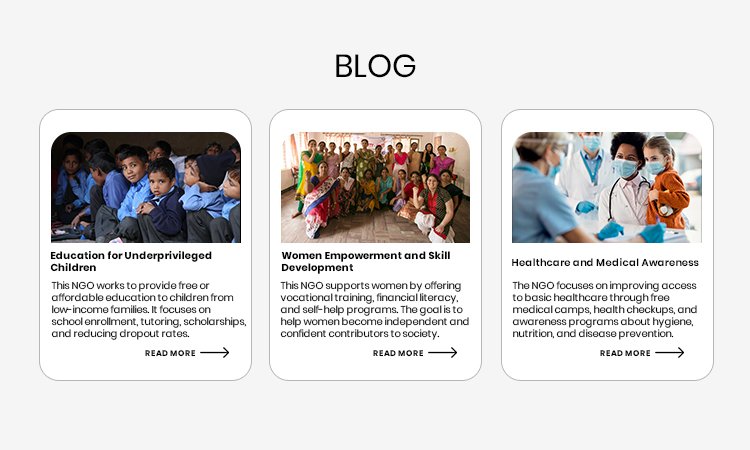
Creating engaging content is the key to successful PR. Non-profit organizations must develop compelling content that highlights their achievements, mission, and impact in order to build a strong audience base. This content can include blog posts, press releases, articles, and videos that tell a story but in an interesting way.
Not only that, but creating high-quality content can also position your NGO as a thought leader and authoritative source in the industry. This section of the blog will discuss the type of content NGOs must develop and how they can create high-quality, informative, yet engaging content to attract donors and partners.
- What Type of Content can NGOs Develop?
- Social Media Content
- Impact Stories and Testimonials: First-person stories of beneficiaries, sharing how their lives have changed, are great for successfully connecting with audiences on an emotional level.
- Reels or Short-form Videos: Instagram reels or short-form videos on Facebook and YouTube Shorts can be used for showcasing on-the-ground actions like sneak peeks into latest projects (BTS), “before and after” transformations, and quick emotional appeals.
- Long-form Videos and Documentaries: NGOs can create documentaries and long-form videos to offer in-depth and balanced viewpoints of challenges and the NGO’s objectives and techniques.
- Live Stream and Webinars: These can be leveraged in case of virtual events, real-time updates from the field, and Q&A sessions.
- Social Media Campaigns: Use relevant hashtags, interactive posts such as Q&As and polls, and infographics to enhance visibility as well as engagement.
- Educational Content
- Blog Posts and Articles: By creating valuable articles and relevant blog posts, NGOs can offer updates on the latest programs, share expert opinions, and discuss major issues that the NGO addresses (e.g., “Why literacy matters for women and children”).
- Reports and Case Studies: In-depth and evidence-based documents that showcase the effectiveness of projects and provide transparent data on how they have impacted lives.
- Annual and Impact Reports: These are often overlooked by NGOs, but they play a major role in establishing trust among audiences. Annual and impact reports are vital for highlighting your NGO’s achievements, showcasing transparency, and showing donors for what purpose their funds are being used.
- Comprehensive Guides and E-Books: These are educational content that are especially designed to educate the public on specialized topics that are related to your NGO’s cause.
- Visual and Interactive Content
- Infographics: This type of content is used to transform complicated data and statistics into easily digestible and shareable visuals.
- High-Quality Photos: Sharing authentic images of volunteers, staff, and beneficiaries in the field is very effective for fostering trust.
- Interactive Contests and Stories: Creative content like “digital literacy for women,” or, for example, a “cataract simulator” that can help supporters gain hands-on experience of the issue.
- Digital Newsletters: Send regular email updates by sharing personal stories, impact updates, and specific call-to-action (e.g., “sign an e-card”)
- Specialized Content
- Educational Material: Developing high-quality and educational content is vital for effective NGO pr. For NGOs that solely focus on education, this type of content includes creating bilingual, offline-first digital learning materials for children in unreserved regions.
- Virtual Tours and Galleries: NGOs can leverage this type of content to demonstrate art or field experiences to a global audience.
- Fundraising Materials: These are especially designed “donorversary” emails, crowdfunding stories, and branded merchandise.
- Advocacy and Campaign
- Position Papers and Policy Briefs: This type of content often includes comprehensive documents that are meant to influence policy and educate decision-makers.
- Petition Campaigns: NGOs can leverage this type of content to gather public support and pressurise authorities for change.
- “Day in the Life” Content: Through this content, NGOs must showcase the dedication of volunteers as well as field staff in order to humanize the organization.
- Best Tips for NGOs to Create Educational and Engaging Content
- Leverage Storytelling
- Focus on Impact, Not Statistics: People often connect with stories and not just raw data. A lot of people will not understand statistics. So, you must frame their content around the “Problem-Solution Impact,” demonstrating how your NGO has helped change lives, along with solid proof.
- Humanize your Organization: Change your path from a “robotic” or entirely professional facade. Leverage humour wherever relevant, showcase behind-the-scenes of your team in action, and introduce your staff in order to humanize your organization. For example, if you run an E-NGO, you can share behind-the-scenes of your team cleaning the Ganga river.
- Feature Beneficiary Stories: NGOs must share testimonials and personal journeys of people whom they have helped through their work in order to create an emotional connection with the audience. For example, if you are running an NGO for homeless old-age people, you can ask them to share their positive experiences with your NGO and how your work has impacted them.
- Leverage Various Content Formats
- Invest in Short-Form Videos: Do you know that videos under 90 seconds have a 50% viewer retention rate? This statistic pretty much sums up why creating short-form video content is vital. With more and more people turning to Tik-Tok, Instagram reels, and YouTube Shorts for relaxation, these content formats can be very effective as they receive high engagement and shares. NGOs can create 60-second transformations, “before-and-after” scenes, or quick tips.
- Develop Educational Infographics: NGOs can incorporate compelling visuals to break down complex problems into easily comprehensible information.
- Use Carousels on Instagram: Instagram carousels often generate the highest engagement rate in comparison to reels and single photos.
- Personalize Content to Specific Platforms
- LinkedIn for Professionalism: NGOs can use LinkedIn to connect with fellow NGOs of their niche, professionals, charity donors, investors, and industry leaders, and establish thought leadership. Non-profit organizations can share content like professional-level updates and impact reports on this platform.
- Instagram for Visual Storytelling: NGOs must focus on sharing emotionally resonant and high-quality photos and reels on their Instagram profiles.
- Leverage Specific Channels: Rather than posting similar content on every social media platform, non-governmental organizations must treat every channel differently. For example, leverage Twitter for real-time, engaging conversations.
- Develop Valuable Content
- Create How-To Content: Rather than educating your audiences about your organization, educate them about the cause of your organization. Develop comprehensive guides, blog posts, and detailed reports in order to help the public understand the major issue.
- Offer Free Resources: Share valuable knowledge such as free ebooks, research reports, or educational webinars that can provide value to your audience.
- Maintain Transparency: NGOs must share regular updates on how they are utilizing the donations, leverage infographics or behind-the-scenes to demonstrate the process.
- Maximize Reach and Engagement
- Leverage Interactive Elements: Use Q&A sessions, polls, and live events to encourage two-way and direct communication.
- Develop User-Generated Content: NGOs must encourage beneficiaries, volunteers, and donors to share their experiences and tag their organization while sharing.
- Partner with Local Influencers: Non-governmental organisations can collaborate with local or micro-influencers who align with the mission of your organization to boost reach and credibility.
- Maintain Consistency and Leverage Advanced Tools
- Create a Content Calendar: In order to maintain a consistent flow of information, NGOs must develop a content calendar and plan content in advance. To make this process seamless, NGOs can incorporate tools like Trello or Meta Business Suite.
- Incorporate AI for Efficiency: NGOs can use advanced AI tools to enhance copy, brainstorm ideas, and tailor messages for various channels.
- Emphasize Mobile-Friendly Content: Make sure all the content of your non-governmental organization is well-optimized for mobile devices.
- Implement Local SEO: In the case of local NGOs, make sure your Google Business Profile is active and use relevant local keywords.
- Focus on Content Quality
- Do Less but Better: It is better to publish one high-quality story than multiple average posts. Google’s algorithms do not reward quantity, but rather quality.
- Eliminate Outdated Content: This is a very important point that NGOs often overlook. They do not put in enough effort to refresh outdated content, but this is where they are doing it all wrong. Make sure to conduct thorough content audits and update old content, information, and statistics, especially of high-performing articles or blog posts.
- Demonstrate The Thought Leadership

Thought leadership in NGO PR is a strategic approach that can help non-profit organizations position their business as an expert in the field by conveying original and valuable insights, building credibility, and framing industry conversations.
According to a study by LinkedIn, over 70% of decision-makers consume thought-leadership content in order to stay updated on the latest trends and achieve new insights and ideas for their businesses, cool right?
This statistic showcases how important it is to develop high-quality thought leadership content and the major role it plays in influencing business decisions and achieving organizational credibility.
Thought leadership includes demonstrating your organization’s expertise by sharing valuable insights, innovative ideas, and trends that can encourage conversations and change within your sector. However, in this highly competitive sector, how can you showcase thought leadership?
So, let’s take a look at how NGOs can establish and showcase thought leadership for effective public relations
- Establish Authority Through Niche Expertise and Data
- Define your Niche: Emphasize on a specific issue, such as global warming, educational equity, or mental health among youths, where your NGO brings a unique perspective.
- Incorporate Original Research: Publish white papers, impact studies, and research reports that offer new data. Journalists and policymakers often look for credible, research-backed evidence.
- Humanize Data with Stories: Combine complex data with emotional, compelling, and authentic success stories that showcases your impact.
- Showcase Expertise Through Content Creation
- Create a Consistent Content Strategy: Develop a regular publishing pattern (e.g., monthly LinkedIn posts, weekly blog posts) that directly addresses industry challenges and offers solutions.
- Submit Op-Eds and Articles: Pitch thought leadership pieces to trade local newspapers, publications, and industry media to position the founders of your NGO as experts.
- Leverage LinkedIn: Encourage leadership to convey valuable insights, post regular updates, and engage in industry conversations on LinkedIn to connect directly with stakeholders.
- Use PR for Visibility and Credibility
- Proactive Media Relations: NGOs must identify reporters who cover their specific niche and position their organization as a go-to source for interviews and commentary, rather than simply pitching for events.
- Engage in Speaking Events: Try pursuing opportunities at panels, conferences, and webinars to showcase expertise directly to a live audience.
- Repurpose Media Coverage: When you earn media coverage, make sure to share it across various websites, newsletters, and social media channels in order to intensify the third-party validations.
- Establish Partnership and Credibility
- Partner with Influencers: NGOs must collaborate with other renowned NGOs, industry-based influencers, and academics to expand their reach and improve credibility.
- Maintain Transparency: Non-profit organizations must publish annual reports and share valuable data about operations and finances transparently to showcase accountability.
- Use Board or Staff Expertise: NGOs can feature multiple voices from their very own organization and not just from the founder. This can help showcase in-depth and specialized knowledge.
- Engage with an Association

It becomes very easy to expand your network once you join an association in your industry. A good association can help you gain in-depth knowledge about the industry while opening doors for you to connect with various industry professionals.
This can offer an edge over your competitors that might not have access to the same individuals. As a member of a renowned association, NGOs can position themselves as an authoritative source in the industry.
Here’s how NGOs can partner with an association for effective NGO PR:
- Create Strategic Partnerships: NGOs must treat the partnership with an association as a long-term relationship and not just a temporary sponsorship, guaranteeing that goals are aligned to achieve maximum impact.
- Engage in Events and Campaigns: Host webinars, seminars, or community events with the association you are partnering with to raise awareness as well as showcase collaborative impact.
- Co-Create Content and Research: Create white papers, industry reports, and case studies together. This will position the NGO as a thought leader in the field.
- Align Messaging: NGOs must guarantee a consistent flow of messages between the association and the NGO to establish trust and credibility among stakeholders.
- Use Digital Platforms: Leverage shared social media campaigns, joint newsletters, or co-branded webinars to enhance visibility and reach a wider audience.
- Showcase Shared Impact: Emphasize your PR efforts on telling stories that clearly showcase how the partnership with a particular association has benefited the community.
- Recognition and Networking: NGOs must participate in the association’s events and acknowledge their contributions to the partnership, which bolsters the relationship and encourages joint visibility.
- Showcase your Partners and Donors

Co-branding with various charity donors and other organizations is a great approach that can help establish your brand reputation. For instance, say you have received a generous donation from a renowned company, you must tell the world by reaching out to well-known reporters who cover that company or your niche.
NGOs can consider distributing a press release to announce the contribution they have received. However, always make sure to consult with the company first.
Let’s take a quick look at how NGOs can showcase their donors and partners for effective PR.
- Digital and Social Media Spotlight
- Social Media Highlights: Leverage Facebook, Instagram, and LinkedIn to post a dedicated “Thank You” feature, showcasing your partner’s logos, how their support has helped your NGO, and their commitment.
- Share Impact-Driven Stories: Rather than sharing just logos, NGOs must share impactful stories about how their partner’s contribution has initiated a specific outcome. For example, if you are an NGO that offers free education to unprivileged children, then you can share stories like “Thank you, [Partner’s Name], for providing school kits to more than 500 children.”
- Behind-the-Scenes Content: Post videos and photos of partners who are participating in school visits, project launches, and volunteer events, and showcase their hands-on involvement.
- LinkedIn Partner Credibility: Tag your corporate partners on LinkedIn to enhance visibility among corporate audiences and attract CSR partners.
- Website and Digital Presence
- Create a Dedicated “Our Partners” Page: NGOs must develop a dedicated and visually appealing page on their website to showcase their partners and feature their partners’ logos, categorized by their support level (e.g., Silver, Gold, Platinum)
- Engaging Impact Dashboards: Non-governmental organizations must leverage digital dashboards to highlight real-time progress, recognizing that these results were made possible by specific donors.
- Impact Communication and Reporting
- Influential Annual Reports: NGOs must dedicate a section in the annual report of their organization to to feature case studies and testimonials from partners about why they support their mission.
- Collaborated Content: Collaborate with your partners on thought leadership content and co-branded campaigns. This can help enhance credibility for both parties.
- Effective Newsletters: Send regular updates to your partners showcasing how their funds are being used, fostering trust through transparency.
- Donor Appreciation and Recognition
- Donor Appreciation Events: NGOs must host in-person or virtual events to publicly acknowledge major partners and donors, allowing them to see their impact directly.
- Host Collaborated Events and Campaigns: Co-host workshops, webinars, and fundraising events in collaboration with your partners, highlighting collaborative actions and shared goals.
- Master your Storytelling Strategy

If you think what’s so amazing about storytelling is just about sharing information, then you are wrong. Effective storytelling in public relations is not just about sharing information, but it is about creating connections that leave a long-lasting impression.
In fact, studies have revealed that people are 22 times more likely to remember a fact when presented as a story rather than as standalone facts. Not only that, storytelling can significantly improve how a service is perceived online.
Storytelling in NGO pr can transform abstract, data-rich, and distant social issues into emotional, relatable, and memorable experiences. In an overcrowded non-profit industry, effective storytelling can be a very effective tool to attract attention, encourage action, and establish trust.
But how can NGOs master their storytelling strategy for effective PR? Here are a few steps to follow.
- Build a “Story Bank” with Valuable Content
- Focus on the Individual: The “singularity effect” proves that audiences connect on a more emotional level with another person’s story rather than mere statistics about thousands. Create your story by focusing on a single relatable protagonist whose journey showcases broader issues.
- Leverage First-Person Narratives: Whenever possible, let beneficiaries share their own specific stories in their own voices. This can significantly increase the impact.
- Assign Staff in the Field: NGOs must make sure that their communications staff visit project locations to collect authentic stories, photos, and quotes directly from the source.
- Guarantee Ethical Consent: Maintain high ethical standards by getting prior consent and allowing beneficiaries to share anonymously if required.
- Frame Narrative for Impact
- The Three-Act Structure: Structure stories with a clear and detailed beginning (the normal life/context), middle (the struggle/conflict), and the end (the resolution/transformation).
- The “Hero” Shift: Avoid showcasing your NGO as the hero. Instead, portray the beneficiary as the real hero and the donor as the catalyst for their success.
- Combine Data with Stories: Leverage data to validate the story, and not be the story. Combine personal narratives with, for example, “more than 400 people in the rural South have gained access to clean water” to offer both emotional connection and credibility.
- Use Multimedia and Multi-Channel Distribution
- Visual Storytelling: Include photos, short-form videos, and infographics to gain more attention, because visual content evokes more emotions in comparison to big chunks of paragraphs.
- Repurpose Content: Break down one long interview into blog posts, multiple social media posts, and a newsletter snippet, as well as a 30-second video.
- Targeted Platforms: Non-governmental organizations must personalize the tone of their story to the platform. Keep the tone casual and quick on social media platforms, whereas professional for press releases and in-depth for blog posts, articles, and annual reports.
- Align your Stories with PR Goals
- Determine the Objective: Before even starting to create a story, NGOs must define their purpose. What do they want to achieve through their story? Is it to raise funds, recruit volunteers, and influence public policy?
- Leverage Stories for Media Pitches: Journalists often prefer engaging stories that can interest humans over generic press releases.
- Build Thought Leadership: Position your NGO’s founders and executives as experts by having them write op-eds or share valuable insights that perfectly align with relevant and current fields.
- Measure and Optimize
- Track Engagement: NGOs must measure the comments, reach, shares, and actions (e.g., charity donations) that are driven by specific stories.
- Repeat: Leverage the audience feedback to determine which stories evoked emotions within them the most and adapt future strategies accordingly.
- Establish a Strong Relationship with the Media

Reaching out and building strong relationships with the media is crucial for effective NGO pr. Why? Because it fosters trust, reputation management through earned, third-party validation improves brand credibility.
The media landscape has drastically transformed over the past few decades. Renowned media outlets have almost disappeared, while sensationalized headlines thrive. In spite of these changes, media relations remains one of the most crucial best practices of public relations for NGOs.
Your NGO can create and share its own content to establish brand awareness; however, it will always face some level of scrutiny because you will of course praise your organization.
But the major question is, what do people say about you? Independent, third-party media coverage can enhance credibility, showcasing that unbiased and renowned experts value your organization as well.
So, NGOs must focus on building strong relationships with experienced reporters and educate them about their organization’s story, leading to earned media opportunities such as news articles, TV, and social media mentions.
There are three types of media. Let’s take a look at them in detail:
- Paid Media: This is the content you pay for or develop yourself. This type of media includes sponsored posts or ads on third-party platforms.
- Earned Media: This is the coverage that you did not pay for or created yourself and includes audience mentions and press releases. This is the most impactful form of media.
- Owned Media: Content that you create and publish on your own platforms, like social media posts and the company blog.
- Develop a Robust Crisis Management Plan

No matter how careful a company is and how effective its strategies are, they are not immune to crises. Be it operational safety or political and legal issues, when a crisis arises, stakeholders will immediately demand information about the situation and how it has affected your business.
In this case, poor crisis management can make things worse; it can hurt your organization’s reputation, erode trust, and even lead to severe financial losses. If NGOs fail to act quickly, someone else will, shaping the narrative to your damage.
While predicting a crisis is not possible, NGOs can prepare a well-defined crisis management plan beforehand so that they can react quickly in case of crises. Here are 5 best practices for NGOs to effectively manage crisis situations.
- Determine Vulnerabilities: Firstly, NGOs need to assess possible gaps or vulnerabilities that are unique to their industry, as well as common challenges that any business might face.
- Prepare a Team: Next, you need to form a team for crisis communication. This team must comprise a lead (the head of the NGO or an external consultant), a representative from major departments like legal and governmental affairs.
- Create Protocols and Train Spokesperson: NGOs must choose a specific spokesperson for every type of prospective crisis. These should be seniors who can successfully address the situation. Offer them proper media training, and they interact effectively even under pressure. Moreover, create transparent media policies to specify who can speak to journalists and what information they can share.
- Craft Messaging Beforehand: While it is impossible to predict every scenario, creating message templates can help NGOs instantly personalize during a crisis. Prepare a generic press release to issue instantly to create FAQs and audience communications that can be customized to specific events.
- Understand Stakeholders and Communication Channels: For effective crisis management, NGOs need to know who their primary stakeholders are and focus on notifying them directly before they learn about the crisis elsewhere. These stakeholders may include staff, partners, board members, and the general public. Identify the most effective way to reach them and decide accordingly.
- Revise and Adjust your Crisis Communication Plan: A crisis management plan is not a “set-it-and-forget-about-it” strategy. NGOs must constantly revise and adjust their crisis communication plan in order to stay updated. After each practice, NGOs must track their strengths and weaknesses and update their plan if necessary.
6 Most Effective PR Tools for Non-Governmental Organizations
Measuring the effectiveness of your PR campaign is not an easy job. Running an NGO and keeping close track of how your PR campaign is performing can be tedious. So, here are a few PR tools that non-profit organizations can leverage to ensure successful NGO pr:
| Tools | Used for | Unique Features |
| Cision One | This is an “all-in-one” platform that NGOs can leverage for media monitoring, press release distribution, and journalist outreach. | In-built AI-powered workflowProprietary React ScoreAI-powered OutreachShareable Interactive DashboardsAdvanced “Stance” Analysis |
| BuzzSumo | This is an excellent tool for influencer identification and content research, allowing NGOs to see what topics are trending and assessing their own content performance. | Five-Year Historical DataExtensive Influencer Database”Trending” Content FeedBacklink Monitoring |
| PR NewsWire | This is the best for high-reach, authoritative distribution and connecting to thousands of newsrooms and journalists globally. | Multimedia Integration24/7 editorial supportDetailed analytics dashboardAI-powered content tools |
| Meltwater | This is an industry leader that NGOs can leverage for global media monitoring and PR analytics covering more than 27,000 social networks, broadcasts, and sources. | In-depth Social Listening and AnalyticsIntegrated Influencer database and PRGenAI LensContent ClustersInsights Assistant |
| Business Wire | Business Wire specializes in high-trust distribution, specifically useful for non-governmental organizations to reach analysts, investors, and specific audiences. | Massive and targeted global reachPatented News Delivery and IntegrityPersonalized Feeds and PressPass |
| Muck Rack | Muck Rack is known as the “Google of Journalists.” This platform offers an extensively accurate database where journalists maintain their own profiles. This tool can allow NGOs to identify relevant reporters by keyword, topic, and outlet. | Tracking and “Who Shared My Link”Real-time Monitoring AlertsDatabase and Profiles of verified journalistsJournalist-First Platform |
Common PR Challenges that NGOs Face and How to Navigate Them
Here are a few challenges that NGOs are likely to face when doing PR and how they can navigate them.
- Limited Resources and Funding
Lack of budget for professional PR, small team, and high dependency on inconsistent donations often hamper the ability to maintain consistent impact and visibility.
NGOs can navigate this challenge by partnering with professionals or agencies that offer pro bono services, leveraging specialized digital tools, and strongly focusing on effective storytelling.
- Establishing and Maintaining Credibility
More inspections, the occurrence of fraud in the sector, and public skepticism regarding how funds are being utilized can severely affect your NGO’s reputation.
In order to navigate this challenge, NGOs must showcase third-party validation, maintain consistent messaging, and publish annual reports and financial audits on impact and fund utilization.
- Competition for Attention
An overly crowded and fast-paced media landscape can make it very difficult for your organization’s cause to stand out, especially with 24/7 news cycles.
To successfully navigate this challenge, NGOs must target niche media, empower staff as authoritative sources, and be newsworthy.
- Gaps in Internal Communications
Poor cooperation, operating in silos, and a lack of shared knowledge result in inefficient and incomplete messaging.
The best way to navigate this challenge is through strategic political analysis, establishing alliances, and placing emphasis on local needs.
- Reputation Threats and Effective Crisis Management
Spread of misinformation, negative media coverage, or scandals can instantly shatter years of trust. NGOs can navigate it by dynamically tracking, developing a solid crisis plan, and maintaining transparency.
Frequently Asked Questions (FAQs)
Ans. A successful NGO pr can foster trust, which is a core component of fundraising. By sharing evidence-based success stories, NGOs can show potential donors exactly how their funds are being utilized.
Ans. The effectiveness of PR campaigns can be measured through media monitoring, analyzing website traffic, social media, and donation tracking.
Ans. The major considerations of NGO public relations are dignity, accuracy, and consent. Always make sure to obtain consent from beneficiaries when sharing stories, ensure all claims and data are accurate, and NGOs must avoid using overly sensationalized information that can dehumanize the people they help.
Ans. Yes, a good PR strategy can indeed help NGOs reach the right donors, as it can enhance visibility, credibility, and trust that are crucial to turn prospective supporters into long-term partners.
Conclusion
In the ever evolving charity sector, leveraging NGO PR is crucial to gain visibility and position your organization as an authoritative source in the industry. Unlike paid advertising, public relations can establish “earned credibility.” By leveraging the above-mentioned PR practices, NGOs can build trust, credibility, and online visibility in the highly crowded market. In case you are just starting out and have no idea how to proceed, you can perhaps partner with a specialized public relations agency.
